



What's Happening?
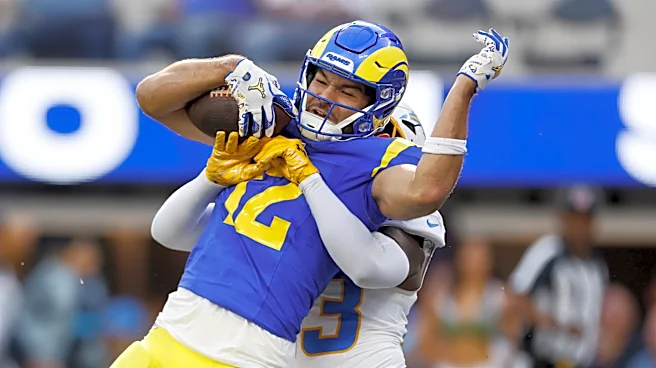
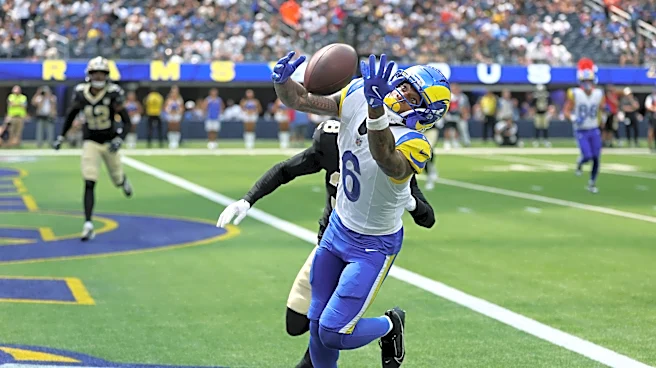
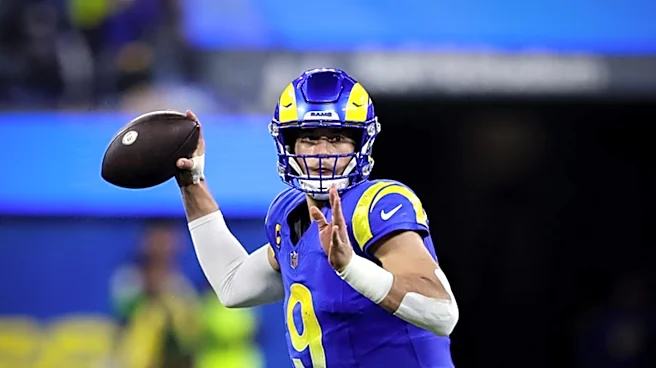
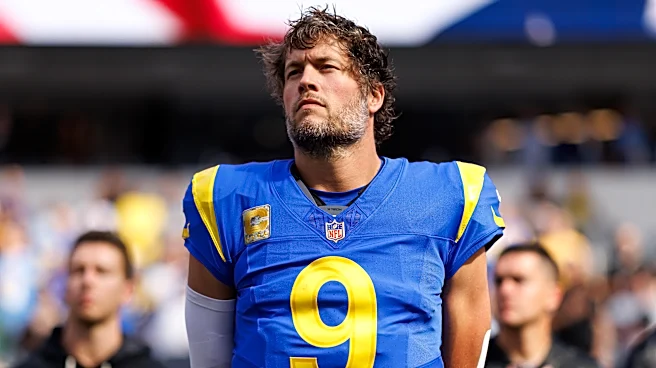
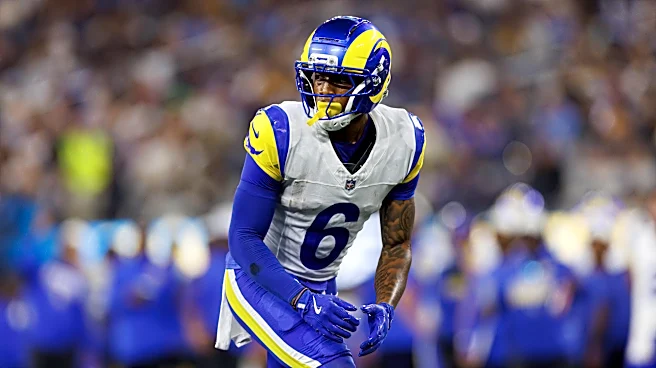
Los Angeles Rams wide receiver Puka Nacua is currently leading the NFL in targets per game, with quarterback Matthew Stafford throwing to him an average of 12.3 times per game through six games this season. This usage rate surpasses even his previous
high production levels. Nacua's 74 total targets place him seventh in the league, but his per-game average is significantly higher than other top receivers like CeeDee Lamb (11.5 targets per game) and Jaxon Smith-Njigba (11.1 targets per game). Historically, Nacua's target share is in rare company, with only three players since 2000 averaging more targets per game: Julio Jones (2015), Marvin Harrison (2002), and Terrell Owens (2005). The Rams' offensive strategy heavily features Nacua, especially with Davante Adams on injured reserve, making him a focal point in both the passing and running game, as well as a blocker. Offensive coordinator Nate Scheelhaase views Nacua's extensive usage as an intentional aspect of their scheme.
Why It's Important?
The Rams' heavy reliance on Puka Nacua highlights both his exceptional talent and a potential vulnerability in the team's offensive strategy. While Nacua has proven capable of carrying a significant portion of the passing game, this concentration of targets raises questions about the team's depth at wide receiver. If opposing defenses successfully limit Nacua, the Rams' passing game lacks a clear secondary option, as the next most targeted player is running back Kyren Williams, followed by the injured Davante Adams. This situation could force the Rams to seek additional receiving talent, even a decent starter, to diversify their offensive attack and reduce the pressure on Nacua. The current approach, while effective due to Nacua's performance, represents a high-wire act that could be challenged by defensive adjustments or potential injuries to their star receiver.
What's Next?
The Rams face a critical decision regarding their offensive personnel, particularly at wide receiver, as the trade deadline approaches. The current reliance on Nacua, while productive, suggests a need for more depth to sustain offensive consistency throughout the season. The team may explore acquiring another receiver to complement Nacua and provide quarterback Matthew Stafford with additional reliable targets. This would alleviate some of the pressure on Nacua and create a more balanced passing attack, making the offense less predictable for opposing defenses. Without a significant roster shakeup, Nacua's high target share is likely to continue, placing him under immense scrutiny and physical demand for the remainder of the season. The team's ability to adapt and diversify its passing game will be crucial for its long-term success.
Beyond the Headlines
The Rams' strategic decision to heavily feature Puka Nacua reflects a broader trend in the NFL where elite receivers become the central pillar of an offense. This approach, while maximizing the impact of a star player, also underscores the challenges of roster construction and depth in a salary-cap era. The reliance on one player can create a dynamic where the team's offensive success is disproportionately tied to that individual's performance and health. This situation also highlights the evolving role of offensive coordinators in designing schemes that leverage a singular talent while mitigating potential weaknesses elsewhere. The long-term implications for Nacua's career, including potential wear and tear from such high usage, will be a point of interest, as will the Rams' ability to build a sustainable offensive model around such a concentrated target share.