




What's Happening?
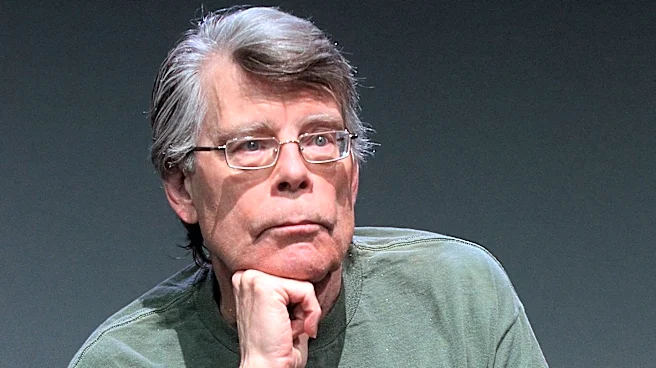
Mike Flanagan is developing a new television adaptation of Stephen King's novel 'Carrie' for Amazon Prime Video. Initially, both Flanagan and King were skeptical about another adaptation, given the story has been told multiple times, including Brian De
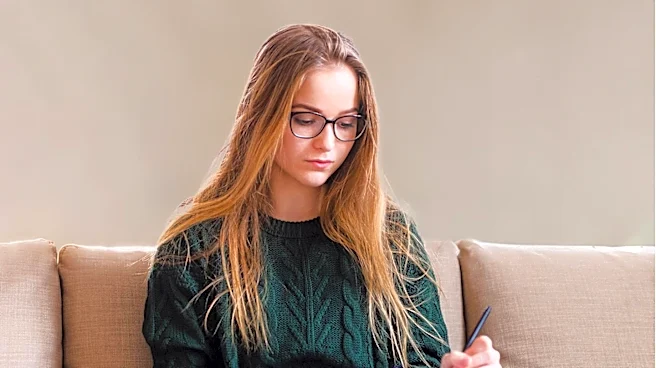
Palma's 1976 film and a 2013 movie. King reportedly felt the story had been 'done.' However, Flanagan was persistent, believing the themes of 'Carrie' are more relevant today than when the novel was first published 50 years ago. He focused on how contemporary teenagers experience cruelty and anxiety, particularly in the age of social media and school shootings, which King could not have contemplated at the time of writing. Flanagan's approach aims to present a 'Carrie' who starts with an 'unspoiled heart' and reacts to the harsh realities normalized for today's teenagers. This perspective ultimately convinced Stephen King to give his approval for the project, with King also serving as an executive producer. The casting process for the lead role of Carrie White involved over 1400 auditions, with Summer H. Howell ultimately cast, who had no prior exposure to previous 'Carrie' adaptations.
Why It's Important?
This new adaptation of 'Carrie' is significant as it recontextualizes a classic horror narrative for a modern audience, addressing contemporary issues such as social media bullying and school violence. By focusing on the heightened cruelty and anxiety faced by today's teenagers, the series aims to resonate with a new generation, making the story's themes of isolation, abuse, and revenge particularly poignant. The involvement and approval of Stephen King himself lend credibility to the project, suggesting that this adaptation will offer a fresh and relevant interpretation rather than a mere remake. For Amazon Prime Video, securing such a project with King's endorsement could attract a broad viewership, including long-time fans of the novel and new audiences interested in socially relevant horror. The series also highlights a trend in entertainment where classic stories are revisited through a contemporary lens to explore their enduring relevance, potentially influencing future adaptations of other iconic works. The emphasis on character depth and the cyclical nature of abuse, as described by Flanagan, could elevate the series beyond typical horror, offering a more profound social commentary.
What's Next?
The 'Carrie' TV series is set to stream on Amazon Prime Video, with its premiere anticipated to draw significant attention due to the enduring popularity of Stephen King's work and Mike Flanagan's reputation for character-driven horror. Following its release, the series will likely be scrutinized for its portrayal of modern teenage issues and how it reinterprets the classic narrative. Reactions from critics and audiences will determine its success and potential for further seasons or spin-offs within the 'Carrie' universe. The casting of Summer H. Howell, an actress new to the 'Carrie' story, suggests a fresh take on the character, and her performance will be a key focus. The series' exploration of the human side of its 'monsters,' such as Carrie's mother and bully, could spark discussions about the origins of cruelty and trauma in society. This adaptation could also set a precedent for how other classic horror stories are updated to reflect current societal concerns, influencing future projects in the genre.
Beyond the Headlines
The new 'Carrie' adaptation delves into deeper implications by exploring the ethical and cultural dimensions of modern teenage life. The series' premise, which considers how Carrie's story would unfold in an era of TikTok and school shootings, highlights the pervasive nature of digital bullying and the heightened sense of vulnerability among young people today. This approach moves beyond simple horror to offer a critique of contemporary society's impact on mental health and social dynamics. By portraying characters like Carrie's mother and bully with more nuanced backstories, the adaptation challenges the traditional black-and-white depiction of good versus evil, suggesting that 'monsters' are often products of their environment and past traumas. This humanistic perspective, influenced by Stephen King's own approach to horror, encourages viewers to consider the complex factors that contribute to violence and social isolation. The series could foster conversations about the responsibility of social media platforms, the need for empathy in schools, and the long-term psychological effects of unchecked cruelty, making it a culturally resonant piece beyond its entertainment value.