








What's Happening?
As Americans gear up for Independence Day celebrations, a detailed analysis reveals the diverse culinary traditions that define the holiday across different states. According to a report by Tastewise, which analyzed millions of social media conversations
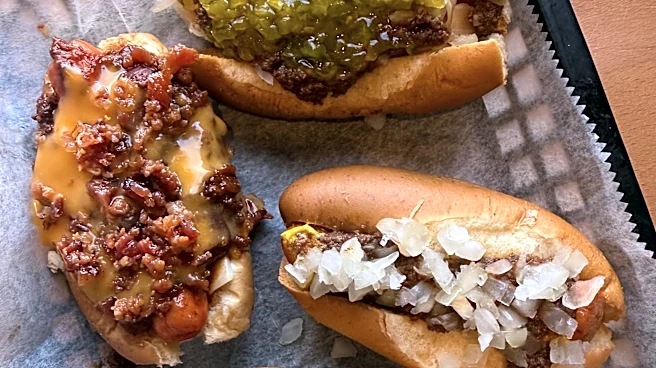
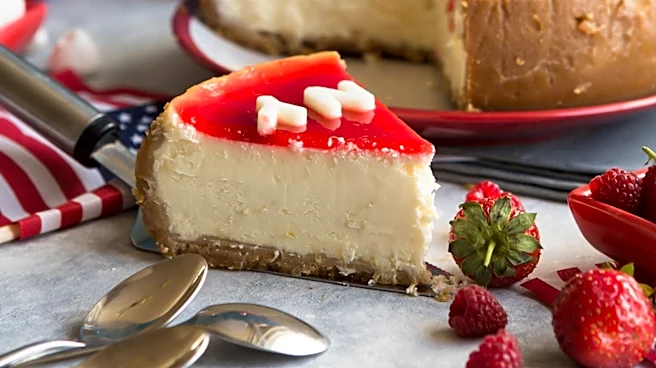
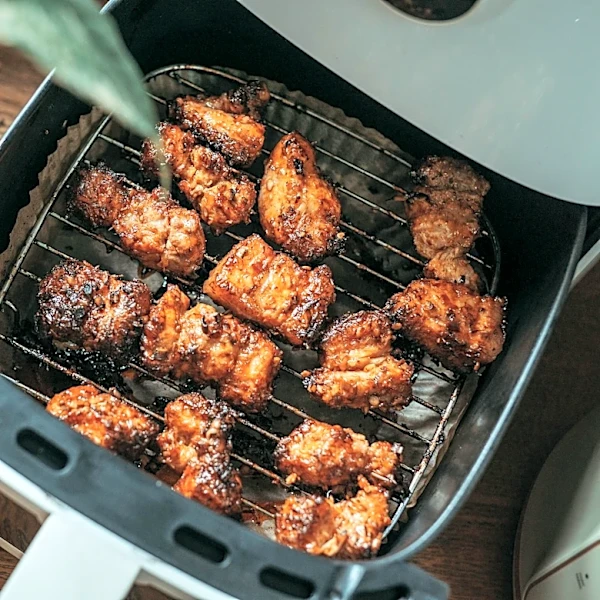
and menu items, each state has its own unique dish that is most associated with July 4th celebrations. For instance, lobster rolls are a favorite in Maine, while smoked brisket is popular in Texas. The report also highlights the influence of local agriculture and cultural traditions on these food choices. Additionally, Sam's Club provided insights into meat-purchasing trends, showing that pork ribs and chicken are among the most purchased meats nationwide for the holiday. This data underscores the importance of food in holiday traditions, with many Americans returning to familiar recipes that evoke memories of past celebrations.
Why It's Important?
The findings from this report highlight the significant role that regional food traditions play in American culture, particularly during national holidays like the Fourth of July. These culinary preferences not only reflect the diverse agricultural outputs of different states but also the cultural heritage and community practices that have been passed down through generations. Understanding these trends can be valuable for businesses in the food industry, as it provides insights into consumer preferences and potential market opportunities. For instance, retailers and restaurants can tailor their offerings to meet the specific tastes of their local communities, thereby enhancing customer satisfaction and loyalty. Moreover, these insights can inform marketing strategies that emphasize local flavors and traditions, appealing to consumers' sense of nostalgia and cultural identity.
What's Next?
As the Fourth of July approaches, businesses in the food and retail sectors are likely to ramp up their marketing efforts to capitalize on these insights. Restaurants may introduce special menus featuring popular regional dishes, while grocery stores could stock up on the most sought-after ingredients and meats. Additionally, there may be an increase in community events and festivals that celebrate local culinary traditions, providing opportunities for local producers and artisans to showcase their products. In the long term, these trends could influence the development of new food products and services that cater to regional tastes, further diversifying the American culinary landscape.
Beyond the Headlines
The emphasis on regional culinary traditions during the Fourth of July also raises questions about the preservation of cultural heritage in an increasingly globalized world. As communities become more diverse, there is a growing interest in exploring and celebrating the unique food practices that define different regions. This trend could lead to a resurgence in traditional cooking methods and recipes, as well as a greater appreciation for locally sourced ingredients. Additionally, the focus on regional foods may encourage more sustainable practices, as consumers seek out fresh, locally produced items that have a lower environmental impact compared to imported goods.