




What's Happening?
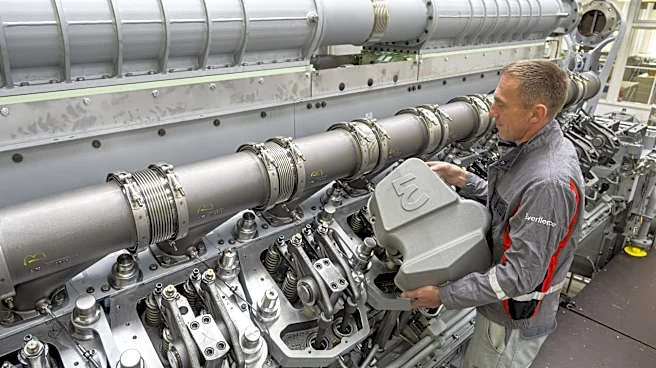
GE Vernova is actively recruiting an EHS & Quality Coordinator for its Aero Alliance site in Kollsnes, Norway. This role is critical for maintaining safety, environmental compliance, and quality standards for the facility, which specializes in the maintenance
and testing of GE LM2500 gas turbines used in the offshore industry. The coordinator will be responsible for leading the site's Environment, Health, and Safety (EHS) program in accordance with Norwegian regulations and Aero Alliance standards, managing chemicals, waste, and environmental compliance. Key duties include conducting risk assessments, managing the permit-to-work system, investigating incidents, and ensuring corrective actions are implemented. The position also involves preparing and training personnel, owning emergency plans, and delivering EHS training. Furthermore, the coordinator will maintain the Quality Management System (QMS) and ISO 9001:2015 certification, with a goal to achieve ISO 45001 and ISO 14001 certifications by the end of 2027. This includes planning internal audits, supporting external audits, and managing document control and nonconformances.
Why It's Important?
This recruitment highlights GE Vernova's commitment to stringent safety and quality standards within its global operations, particularly in the critical offshore energy sector. The emphasis on achieving ISO 45001 (Occupational Health and Safety) and ISO 14001 (Environmental Management) certifications by 2027 demonstrates a proactive approach to environmental stewardship and worker safety. For the U.S. energy sector, this reflects a broader industry trend towards enhanced regulatory compliance and sustainable practices, which can influence operational benchmarks and best practices for companies with international footprints. Ensuring the safe and efficient operation of gas turbines, which are vital for energy generation, has direct implications for energy reliability and infrastructure resilience. The role's focus on risk assessment and incident learning also contributes to a culture of continuous improvement, potentially setting precedents for safety protocols across the company's wider portfolio, including its U.S.-based projects and facilities.
What's Next?
The successful candidate will be instrumental in driving GE Vernova's EHS and quality initiatives at the Kollsnes site, with a clear mandate to achieve specific ISO certifications by 2027. This will involve ongoing internal and external audits, continuous improvement projects, and rigorous training programs for site personnel. The company's focus on maintaining a robust backlog, which is expected to exceed $200 billion in Q4, suggests a sustained commitment to its energy technology businesses. As GE Vernova continues to expand its global presence and acquire companies, the integration of high EHS and quality standards across its operations will be a continuous process. The outcomes of these efforts in Norway could serve as a model for other international sites, reinforcing GE Vernova's reputation as a leader in energy technology and responsible industrial practices.
Beyond the Headlines
The emphasis on EHS and quality in this role extends beyond mere compliance; it reflects a deeper organizational commitment to operational excellence and corporate responsibility. In an industry where safety incidents can have severe environmental, financial, and reputational consequences, investing in dedicated EHS leadership is a strategic imperative. The pursuit of ISO certifications, particularly ISO 14001 for environmental management, underscores a growing global expectation for companies to demonstrate measurable efforts in reducing their ecological footprint. This proactive stance can enhance GE Vernova's appeal to environmentally conscious investors and partners, potentially influencing its market position and long-term sustainability. Furthermore, the focus on continuous improvement through risk assessments and incident learning fosters a culture of accountability and resilience, which is crucial for navigating the complexities of the modern energy landscape and adapting to evolving regulatory and societal demands.