




What's Happening?
Berkshire Hathaway's shares rose following the release of strong second-quarter earnings and an increase in share buybacks. The conglomerate reported a 16% rise in operating earnings, driven by its energy and railroad businesses, despite weaker insurance
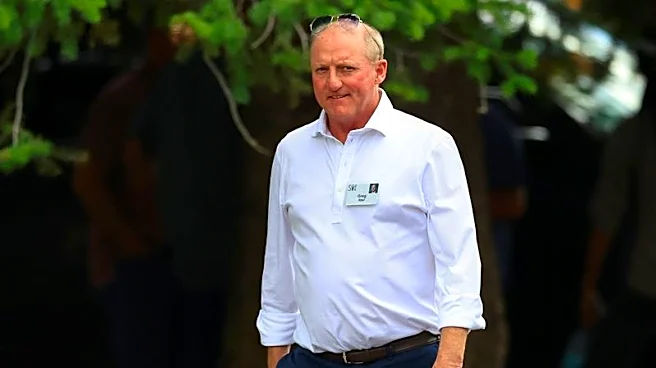
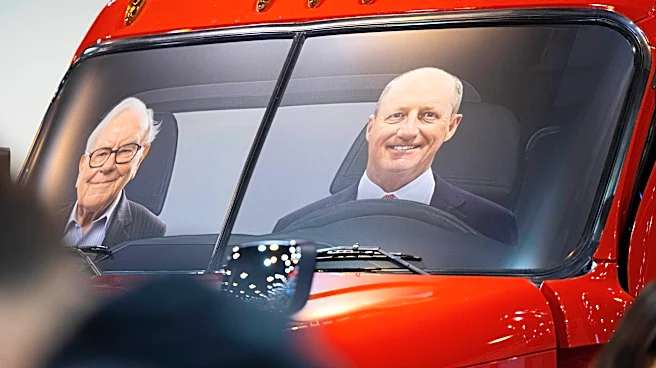
underwriting. Under new CEO Greg Abel, Berkshire repurchased $4.5 billion of its own shares, significantly more than in previous quarters. The company also became a net buyer of stocks for the first time in 15 quarters, reducing its cash reserves. However, investor Michael Burry expressed concerns about Abel's ability to maintain the patience that characterized Warren Buffett's investment strategy.
Why It's Important?
Berkshire Hathaway's performance and strategic moves are closely watched by investors, given its reputation as a bellwether for the broader market. The increase in share buybacks and stock purchases suggests a shift towards more active capital deployment under Abel's leadership. This could signal confidence in the company's future prospects and a commitment to enhancing shareholder value. However, Burry's skepticism highlights potential challenges in maintaining the investment discipline that has historically defined Berkshire. The company's ability to balance short-term performance with long-term strategy will be crucial in sustaining investor confidence.
What's Next?
Investors will be keen to see how Berkshire Hathaway navigates its new era under Abel, particularly in terms of capital allocation and strategic investments. The company's recent investment in Alphabet for AI development indicates a willingness to explore new growth areas. As Berkshire continues to deploy its cash reserves, its investment choices will be scrutinized for alignment with Buffett's legacy of value investing. The market will also watch for any changes in Berkshire's approach to acquisitions and share repurchases, as these decisions could impact its financial performance and stock valuation.