



What's Happening?
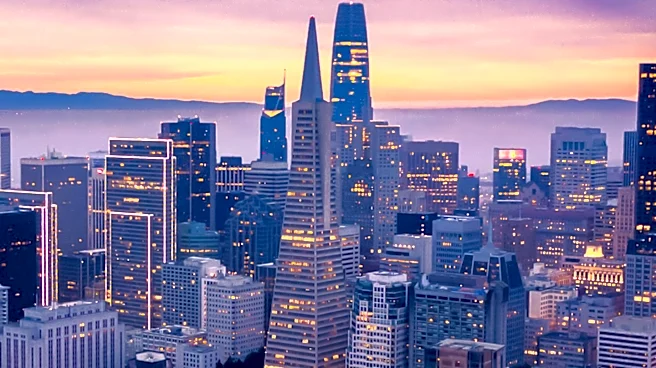
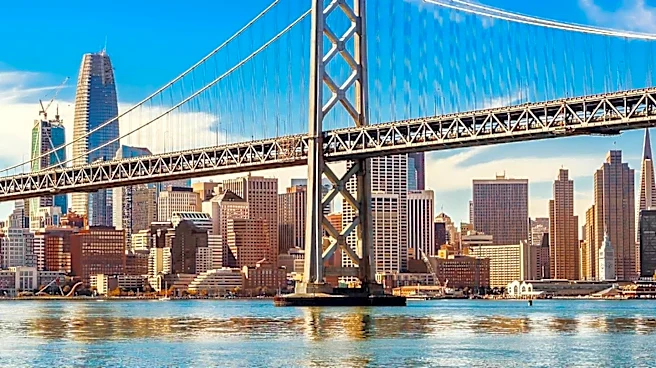
Downtown San Francisco is experiencing a visible improvement in its retail sector, marked by cleaner streets, increased foot traffic, and a declining retail vacancy rate. According to city officials, the retail vacancy rate in Union Square, a key district,
peaked at nearly 23% during the pandemic and has since dropped to slightly above 15%. This represents a significant recovery from the pandemic's impact, though it still remains considerably higher than the 6.4% vacancy rate recorded in 2019. Business leaders and commercial real estate experts acknowledge the progress but note that the recovery is uneven, with areas outside Union Square still facing challenges. The improving conditions have encouraged some retailers, such as Uniqlo, to return to the area after previous closures. Reduced retail theft is cited as a primary reason for businesses reconsidering downtown locations.
Why It's Important?
The recovery of downtown San Francisco's retail sector is crucial for the city's economic vitality and urban landscape. A thriving retail environment contributes to job creation, tax revenue, and overall urban vibrancy. The decline in vacancy rates and the return of businesses signal a renewed confidence in the city's commercial prospects, which can attract further investment and development. However, the uneven recovery highlights persistent challenges, particularly concerning public safety, homelessness, and mental illness in areas beyond Union Square. These issues continue to affect customer perceptions and business investment decisions. The situation in San Francisco serves as a case study for other major U.S. cities grappling with post-pandemic urban recovery, demonstrating the complex interplay between economic factors, public policy, and social issues in revitalizing downtown areas.
What's Next?
Mayor Daniel Lurie indicates that while downtown San Francisco's trajectory is positive, significant work remains to address lingering issues such as street problems and vacancies. A planned $42 million streetscape improvement project on Powell Street, scheduled to begin in November, is expected to further boost momentum and attract prospective tenants. Commercial real estate experts also point out that some high-profile vacant spaces are still technically occupied by former tenants who continue to pay rent, preventing landlords from leasing them. Continued efforts to improve public safety and address social challenges will be critical for a more comprehensive and equitable recovery across all downtown districts. The ongoing recovery will likely involve a combination of public and private sector initiatives aimed at enhancing the urban experience and attracting both businesses and consumers.
Beyond the Headlines
The situation in downtown San Francisco reflects broader shifts in urban dynamics and consumer behavior post-pandemic. The emphasis on public safety and cleanliness as key drivers for retail recovery underscores the evolving expectations for urban environments. The challenge of balancing economic revitalization with social issues like homelessness and mental illness presents a complex ethical and policy dilemma for city leaders. The long-term success of downtown areas will depend not only on attracting businesses but also on creating inclusive and safe spaces for all residents and visitors. This recovery also highlights the resilience of urban centers and their capacity to adapt to significant disruptions, albeit with varying degrees of success across different districts and sectors. The 'to be continued' sentiment from business leaders suggests an ongoing, adaptive process rather than a quick fix.