








What's Happening?
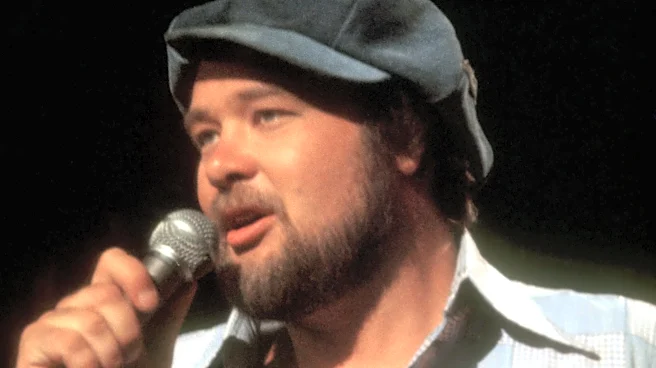
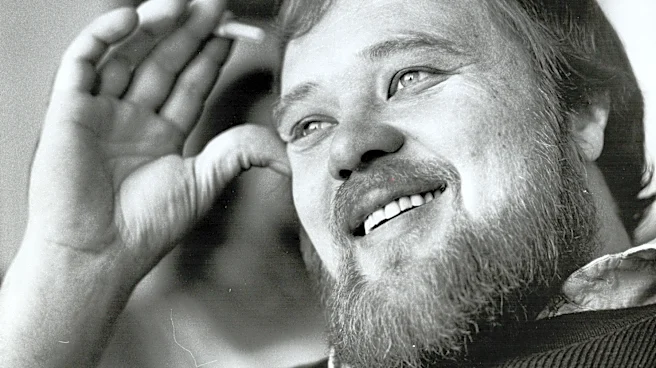
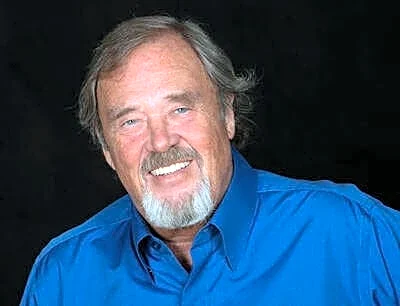
David Clayton-Thomas, the renowned lead singer of the band Blood, Sweat & Tears, has passed away at the age of 84 in Toronto. Known for his powerful voice and dynamic stage presence, Clayton-Thomas was a pivotal figure in the band's success during the late
1960s and early 1970s. He joined the band in 1968, contributing to its unique blend of rock, jazz, and pop, which led to several hit songs including 'Spinning Wheel' and 'And When I Die'. His publicist confirmed that he died peacefully in a Toronto hospital, though no cause of death was provided. Clayton-Thomas's career was marked by significant achievements, including a Grammy Award for the band's self-titled album, which sold over 10 million copies worldwide. Beyond his work with Blood, Sweat & Tears, he released several solo albums and was active in charitable work, particularly with troubled youth.
Why It's Important?
David Clayton-Thomas's death marks the end of an era for fans of Blood, Sweat & Tears and the broader music community. His contributions to the band helped define a genre that blended rock with jazz and pop, influencing countless musicians and bands that followed. The band's innovative sound and commercial success during a transformative period in music history underscore Clayton-Thomas's impact on the industry. His work with Blood, Sweat & Tears not only brought him personal acclaim but also helped elevate the band's status internationally, particularly during their controversial Cold War tour. His passing is a significant loss to the music world, as he was not only a talented musician but also a mentor and advocate for young artists.
What's Next?
A memorial concert is planned to honor David Clayton-Thomas's legacy, celebrating his contributions to music and his influence on future generations of artists. This event will likely draw fans and musicians who were inspired by his work, providing an opportunity to reflect on his impact. Additionally, his passing may prompt renewed interest in Blood, Sweat & Tears' music, potentially leading to reissues of their albums or new documentaries exploring the band's history and Clayton-Thomas's role in it. The music community may also see tributes and covers of his work, as artists pay homage to his enduring influence.