
What's Happening?
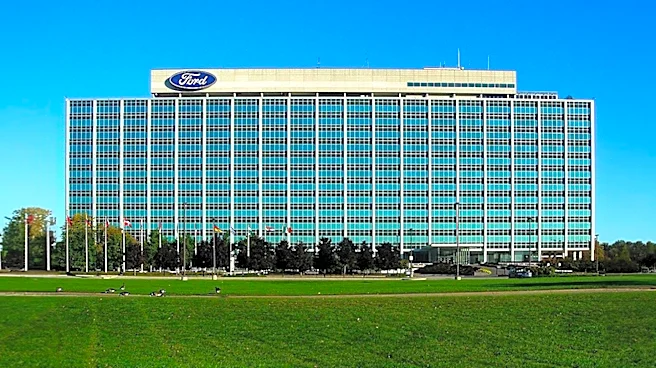
Ford Motor Company has established a new Driving Dynamics Lab (DDL) at its Dearborn Development Center. This multifunctional facility aims to consolidate various vehicle testing departments that were previously dispersed across the campus, including those
focused on performance, durability, and acoustics. The DDL integrates trackside operations with engineering functions within a single building, fostering greater unity and collaboration between product engineers and test technicians. The facility features a large garage for prototype vehicle testing, acoustic and mechanical testing laboratories, engineering offices, and fabrication spaces. It also includes advanced testing capabilities such as a Driver Autonomous Technology laboratory and a state-of-the-art Noise, Vibration, and Harshness (NVH) testing facility. This NVH facility boasts a Hybrid Acoustic Test Chamber capable of accommodating various test vehicles and environmental temperature testing from -40°F to 140°F, along with an all-wheel-drive chassis roll dynamometer. Additionally, a sound transmission loss suite with an anechoic chamber and a reverberation chamber is incorporated for precise acoustic performance prediction. The DDL's design is also rooted in the site's history, which once housed the Ford Airport designed by Albert Kahn in 1924.
Why It's Important?
The establishment of Ford's Driving Dynamics Lab signifies a strategic investment in accelerating vehicle development and improving product quality. By centralizing testing and engineering functions, Ford can streamline its workflow, reduce development cycles, and enhance collaboration among its technical teams. This integrated approach is crucial for maintaining a competitive edge in the rapidly evolving automotive industry, particularly with the increasing complexity of modern vehicles that incorporate advanced technologies like autonomous driving and sophisticated infotainment systems. The advanced NVH testing capabilities are particularly important for consumer satisfaction, as noise and vibration levels significantly impact perceived vehicle quality and comfort. Furthermore, the focus on environmental temperature testing ensures that Ford's vehicles can perform reliably across diverse climates, a critical factor for a global automaker. This facility underscores Ford's commitment to innovation and its ability to adapt to future mobility challenges, directly impacting its market position and brand reputation in the U.S. and internationally.
What's Next?
The new Driving Dynamics Lab is expected to play a pivotal role in the development of Ford's future vehicle lineup, including electric and autonomous vehicles. The enhanced testing capabilities will likely lead to more robust and refined products, potentially accelerating the introduction of new models to the market. Ford will continue to leverage the DDL to conduct rigorous testing, ensuring that its vehicles meet stringent performance, durability, and acoustic standards. The facility's design, aiming for LEED Gold certification, also suggests a continued focus on sustainable practices in its operations. This investment is part of Ford's broader strategy to innovate and lead in the automotive sector, with ongoing efforts to attract top engineering talent to utilize these advanced facilities. The integration of historical elements within the modern design also highlights a blend of heritage and forward-thinking, which could be a theme in future Ford developments.
Beyond the Headlines
The Driving Dynamics Lab represents more than just a new testing facility; it embodies Ford's long-term vision for mobility and its commitment to research-driven culture. The consolidation of departments under one roof fosters a synergistic environment, potentially leading to unforeseen innovations through interdisciplinary collaboration. This move could also influence industry standards for vehicle testing and development, pushing competitors to invest similarly in integrated facilities. The historical context of the site, once home to the Ford Airport, subtly connects Ford's pioneering past in aviation with its future in automotive innovation, suggesting a continuous legacy of pushing technological boundaries. The emphasis on employee well-being, with collaborative workspaces and amenities, reflects a modern corporate approach to talent retention and productivity, recognizing that a conducive work environment is crucial for innovation. This holistic approach to facility design and operational strategy positions Ford to not only develop better vehicles but also to cultivate a stronger, more cohesive engineering culture.