


What's Happening?
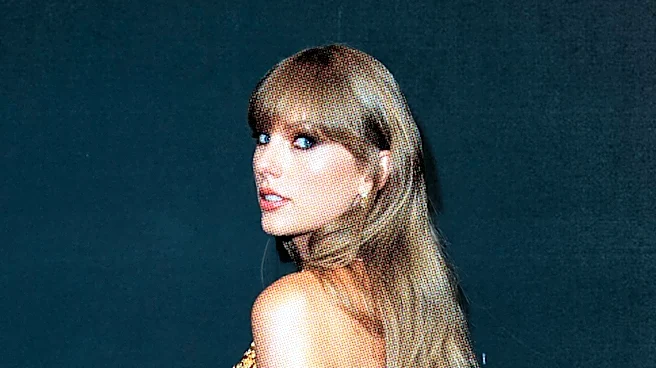
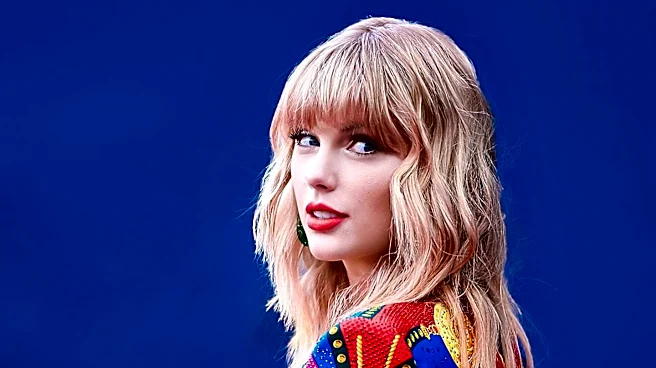
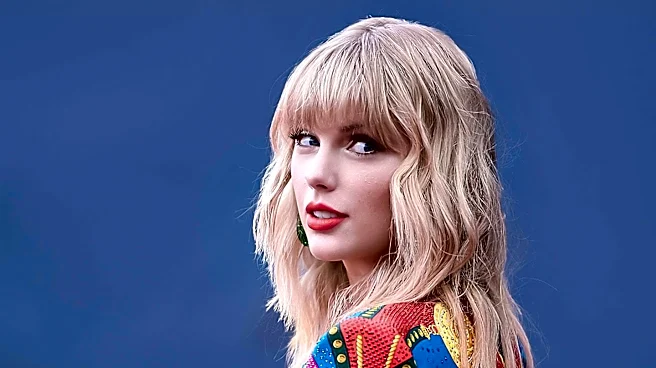
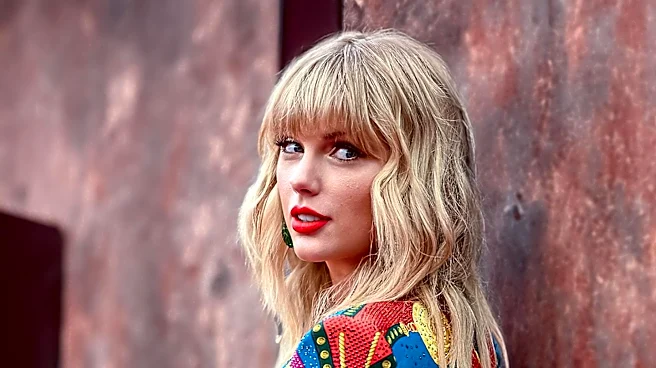
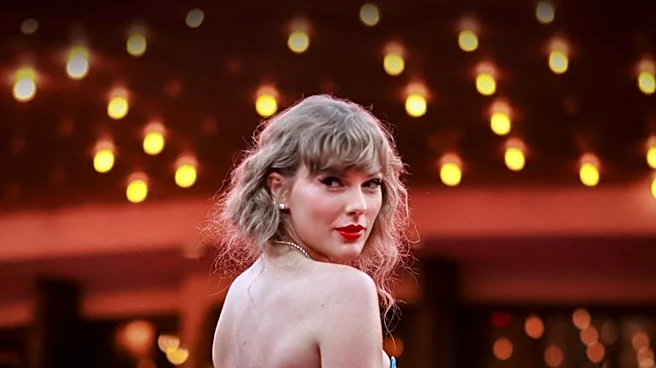
Sharon Luyben, Taylor Swift's former music teacher, claims that her statements were taken out of context in a recent Vanity Fair article titled 'The Mastermind.' Luyben, who taught Swift in seventh and eighth grades at Wyomissing Area Junior-Senior High
School, stated that she only had positive things to say about Swift, describing her as a 'fabulous student.' The Vanity Fair piece, which reportedly interviewed over 100 individuals from Swift's life, portrayed the singer as a 'combination of victim and victimizer' and drew comparisons to the character Regina George from 'Mean Girls.' Luyben's only quoted comment in the article challenged Swift's past recollection of being ostracized by classmates, stating, 'That wasn’t true. We had assigned seating in junior high.' This alleged misrepresentation has sparked controversy, with internal tensions reportedly rising at Condé Nast, Vanity Fair's parent company, over the decision to publish such a critical profile of the pop star.
Why It's Important?
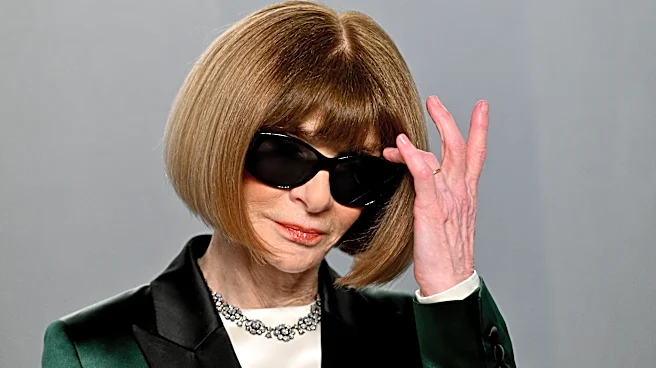
This incident highlights the significant impact of media portrayals on public figures and the potential for journalistic practices to be scrutinized. For Taylor Swift, a globally recognized artist with a carefully cultivated public image, a 'scathing portrayal' in a prominent publication like Vanity Fair can influence public perception and fan sentiment. The controversy also underscores the challenges faced by sources who contribute to journalistic pieces, as their words can be selectively used or framed in ways they did not intend. For Condé Nast, the internal 'fallout' and questioning from staffers, including reported concerns from Vogue editorial chief Anna Wintour and Vogue's new head of editorial content Chloé Malle, indicate potential reputational risks and internal discord within the media conglomerate regarding editorial integrity and the handling of high-profile subjects. The debate over the article's fairness could lead to broader discussions about journalistic ethics and the responsibility of publications when profiling celebrities.
What's Next?
The immediate aftermath of Luyben's claims and the reported internal tensions at Condé Nast could lead to further public statements or clarifications from Vanity Fair or its parent company. While a spokesperson for Vogue and Wintour has denied claims of internal tension, the ongoing discussion surrounding the article's accuracy and fairness may prompt a re-evaluation of editorial processes for high-profile profiles. Taylor Swift's team and her fanbase, who have already criticized the article as 'nonsense,' may continue to voice their disapproval, potentially impacting the magazine's relationship with the artist and her audience. The incident could also encourage other individuals who were interviewed for the piece to come forward with their own experiences regarding how their comments were used, further fueling the debate over the article's journalistic integrity.
Beyond the Headlines
This situation delves into the complex relationship between celebrity, media, and public narrative. The power of a major publication to shape a celebrity's image is immense, and allegations of misrepresentation can erode trust in media institutions. It also touches upon the ethical considerations of anonymous sources, as the Vanity Fair piece relied heavily on interviews with over 100 anonymous individuals from Swift's life. The contrast between Luyben's positive recollections and the article's negative framing raises questions about editorial bias and the pursuit of a particular narrative. Furthermore, the reported internal dissent within Condé Nast suggests a broader struggle within media organizations to balance compelling storytelling with ethical reporting, especially when dealing with figures who command significant public attention and loyalty.