





What's Happening?
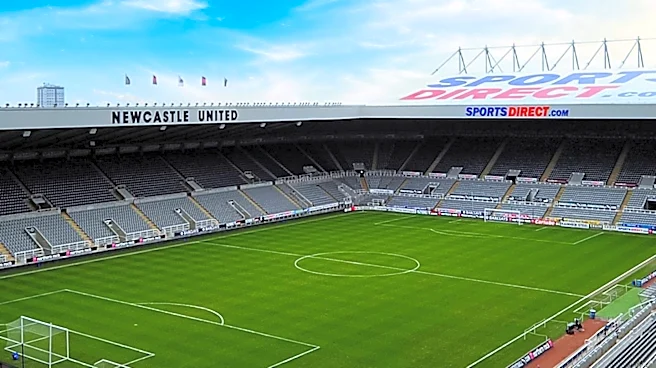
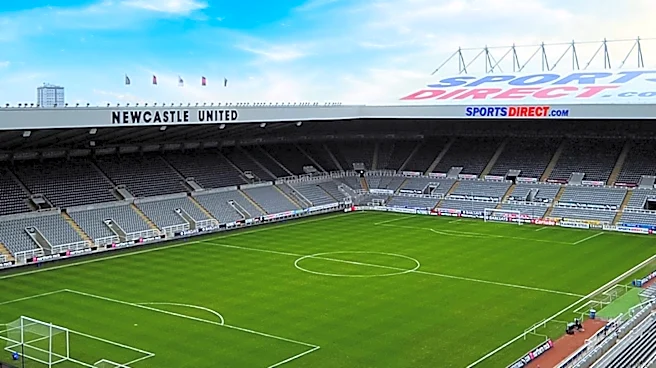
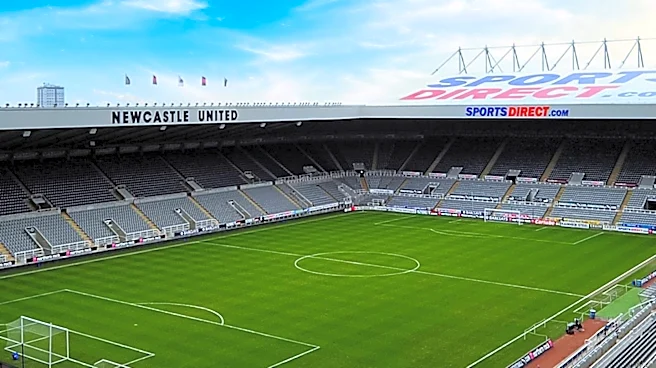
Saudi Arabia’s Public Investment Fund (PIF) is actively seeking a minority investor for Newcastle United, aiming to secure funding for significant infrastructure developments at the Premier League club. According to the Financial Times, PIF has engaged
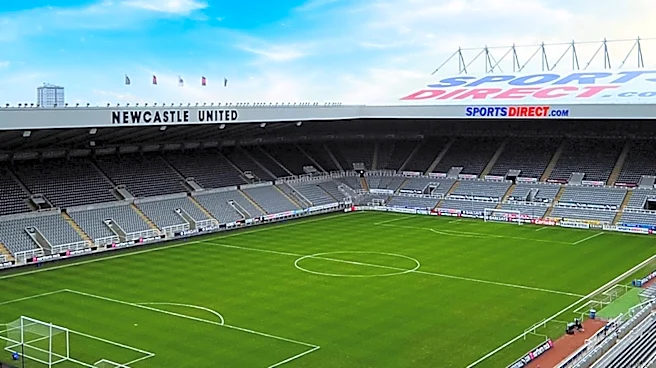
JPMorgan to manage the process, looking for an investor to acquire a stake of up to 25%. This investment is expected to take the form of new share issuance, which would channel the proceeds directly into the club while diluting the holdings of existing owners. The funds generated are earmarked for crucial improvements, including upgrades to training facilities and potentially the construction of a new stadium. Newcastle United's financial reports for the year ending June 2025 showed revenues of £335.3 million and a net profit of £34.7 million, though an operating loss was recorded before player trading. PIF currently controls approximately 85% of the club, with RB Sports & Media holding the remainder. A new investor acquiring a quarter of the enlarged share capital would still leave PIF with a majority stake.
Why It's Important?
This move by the Saudi Public Investment Fund signals a strategic shift towards long-term infrastructure development for Newcastle United, rather than solely focusing on player acquisitions. By bringing in a minority investor, PIF aims to spread the financial burden of ambitious projects like a new stadium and state-of-the-art training facilities. This approach could significantly enhance the club's revenue-generating capabilities through increased stadium capacity, improved hospitality, and expanded commercial opportunities, which is crucial given the increasing financial restrictions within the Premier League. For potential investors, this represents an opportunity to buy into a rapidly growing Premier League club with substantial backing, albeit with a focus on long-term infrastructure returns rather than immediate operational control. The valuation of Newcastle United, potentially reaching £1.5 billion or more, highlights the significant growth in the club's standing since the 2021 takeover, making it an attractive proposition for external capital seeking a stake in a major sports asset.
What's Next?
The immediate next step involves JPMorgan identifying and engaging with potential investors interested in acquiring a minority stake in Newcastle United. The terms of any investment, including the exact size of the stake, the valuation, and the ownership terms, will be subject to negotiation. A key consideration for prospective investors will be the agreement on how major spending decisions are made and the terms of any future exit. The proceeds from this investment are expected to accelerate the club's infrastructure plans, with a new stadium project potentially costing around £1.3 billion and a new £190 million training complex at Woolsington anticipated to be operational by 2029. While PIF remains committed to retaining overall control and its majority position, the successful securing of a minority investor will dictate the pace and scale of these ambitious development projects, ultimately shaping Newcastle United's future competitiveness in English and European football.
Beyond the Headlines
The pursuit of a minority investor by PIF for Newcastle United reflects a broader trend in sports ownership where major investment funds seek to leverage external capital for large-scale, long-term projects. This strategy allows PIF to maintain control while diversifying financial risk and bringing in additional expertise or strategic partners. It also underscores the increasing financial demands of competing at the top levels of European football, where significant infrastructure investments are becoming as critical as player transfers for sustainable success. The decision to fund infrastructure through new share issuance rather than debt or direct PIF capital injection suggests a sophisticated financial strategy aimed at optimizing the club's balance sheet and long-term financial health. This move could set a precedent for other clubs owned by sovereign wealth funds, demonstrating a model for financing growth and development without solely relying on the primary owner's capital, thereby enhancing the club's overall market valuation and attractiveness.