
What's Happening?
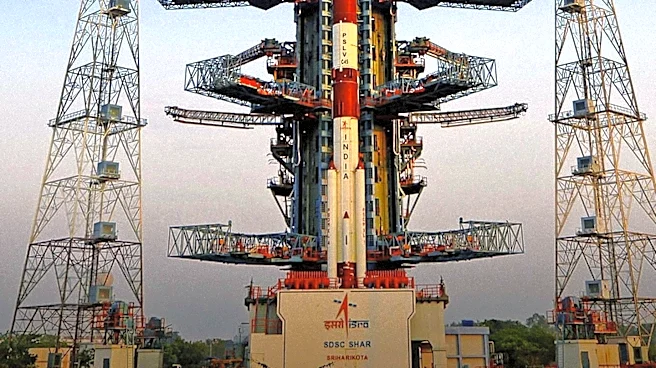
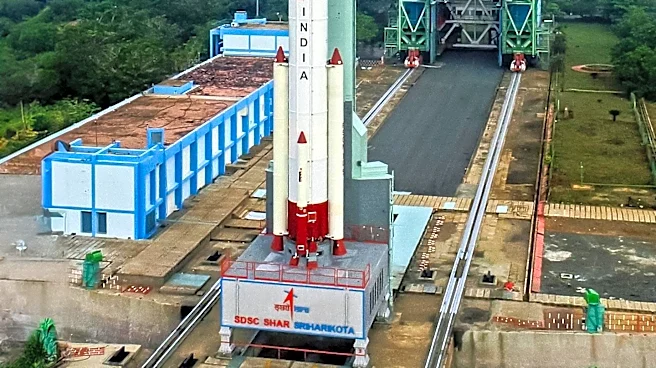
S. Somanat, former head of the Indian Space Research Organisation (ISRO), has announced India's ambitious goal to increase its share of the global space economy from approximately 2% to 8-9%. This target
signifies a four- to five-fold expansion of India's influence across all segments of the space industry. The projected growth aims to move India's contribution from an estimated $8-9 billion in 2020 to a significantly larger portion of the then $550 billion global services market. Somanat identified the expansion into space services and delivery as the primary driver for this growth, noting that these sectors generate roughly 60% of the world's space economy revenue. Achieving this scale requires a fundamental shift from purely state-run operations to a public-private partnership model, encouraging collaboration between government and private entities in investments, profit extraction, and entry into new international markets. This strategic pivot builds on 2020 reforms that opened state-exclusive space activities to private companies, allowing India to integrate private capital into its sector infrastructure rather than relying solely on public funding.
Why It's Important?
This strategic shift is crucial for India's economic growth and technological advancement. By fostering public-private partnerships, India aims to unlock significant private capital and innovation, which can accelerate the development of its space sector. This expansion will create new jobs, stimulate technological advancements, and enhance India's competitiveness in the global space market. A larger share in the global space economy also signifies increased geopolitical influence and strategic autonomy in space. The focus on space services and delivery aligns with global trends, where these segments are the most lucrative. This move could position India as a major hub for space-related services, attracting international investment and collaboration. Furthermore, integrating private players can lead to more efficient operations and faster deployment of new technologies, benefiting various sectors from communication to defense.
What's Next?
To achieve its ambitious goal, India is expected to further streamline regulations and policies to encourage private sector participation in space activities. This may include offering incentives, facilitating technology transfer, and creating a more robust ecosystem for space startups and established companies. The government will likely continue to invest in foundational research and infrastructure while increasingly relying on private entities for commercial applications and service delivery. International collaborations and partnerships will also be key, as India seeks to expand its market reach and integrate into global space supply chains. The success of this strategy will depend on effective coordination between ISRO, government bodies, and private industry to ensure a cohesive and supportive environment for growth.
Beyond the Headlines
The move towards public-private partnerships in India's space sector represents a broader global trend where governments are increasingly recognizing the potential of commercial entities to drive innovation and economic growth in space. This shift could democratize access to space technology and services within India, making them more affordable and accessible for various applications. It also signifies a maturation of India's space program, moving beyond purely scientific and strategic objectives to embrace commercial viability. However, this transition will also bring challenges, such as ensuring regulatory oversight, managing intellectual property, and fostering fair competition. The success of this model could serve as a blueprint for other developing nations looking to expand their space capabilities through private sector engagement, ultimately contributing to a more diverse and dynamic global space economy.