





What's Happening?
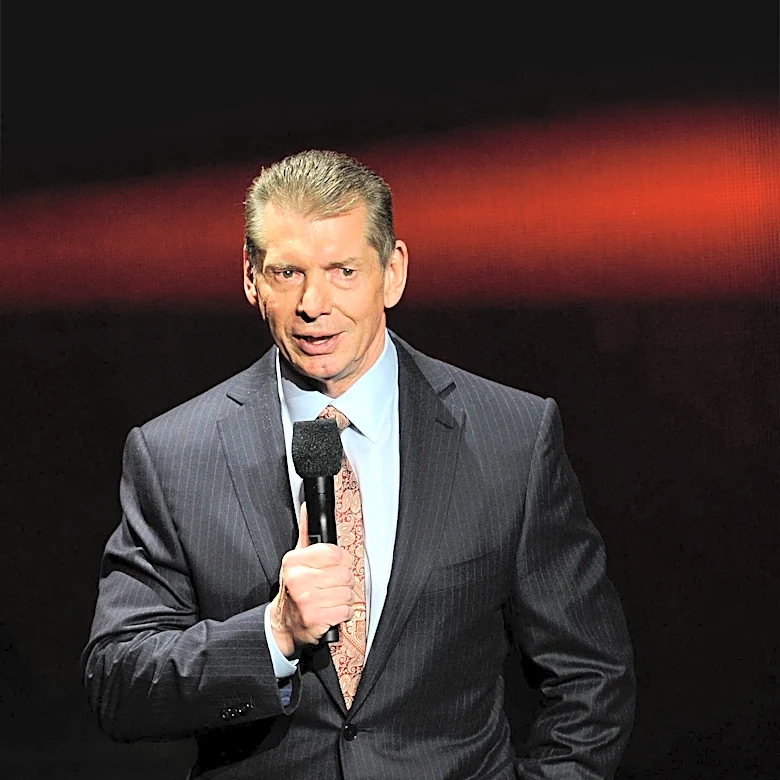
Former Spike TV executive Kevin Kay has clarified that Vince McMahon had no say in the decision to air 'The Ultimate Fighter' (TUF) directly after WWE RAW, a move often attributed to McMahon as a mistake that benefited UFC. Kay, speaking on 'The Ariel
Helwani Show,' stated that WWE did not control Spike TV's programming schedule once RAW concluded. He explained that Spike TV made the decision independently, offering the post-RAW slot to UFC because the mixed martial arts promotion was funding the first season of TUF itself, costing approximately $10 million, as Spike's programming budget was already spent. Kay emphasized that the RAW lead-in was the most valuable slot he could offer, and it proved instrumental in TUF's success.
Why It's Important?
This statement from Kevin Kay is significant because it corrects a long-held misconception within the professional wrestling and mixed martial arts communities. For years, Vince McMahon has been criticized for a decision that supposedly helped a rival promotion gain a massive audience. Kay's account absolves McMahon of this particular blame, indicating that the strategic programming choice was entirely Spike TV's. This re-evaluation of historical events is crucial for accurately understanding the competitive landscape and the power dynamics between WWE, UFC, and television networks during that period. It highlights the influence of broadcasters in shaping the success of content and the often-misunderstood roles of various stakeholders in major media decisions.
What's Next?
The clarification provided by Kevin Kay is likely to prompt a re-examination of the historical narrative surrounding the early days of UFC and its relationship with WWE. While it doesn't change the fact that TUF benefited immensely from the RAW lead-in, it shifts the responsibility for that decision away from Vince McMahon. This could lead to more nuanced discussions among wrestling and MMA historians, journalists, and fans about the true factors that contributed to UFC's rise. It also serves as a reminder that public perception and long-standing narratives can sometimes diverge significantly from the actual events and decision-making processes.
Beyond the Headlines
Beyond the immediate historical correction, this revelation underscores the broader theme of media power and the often-complex relationships between content producers and distributors. It illustrates how network executives, through their programming decisions, can significantly impact the trajectory of entire industries. The story also highlights the challenge of accurately attributing credit or blame in complex business environments, especially when public narratives become entrenched over time. This incident serves as a case study in how historical 'truths' can be shaped by incomplete information and how firsthand accounts can be vital in setting the record straight, offering a deeper insight into the strategic maneuvers that define competitive markets.