




What's Happening?
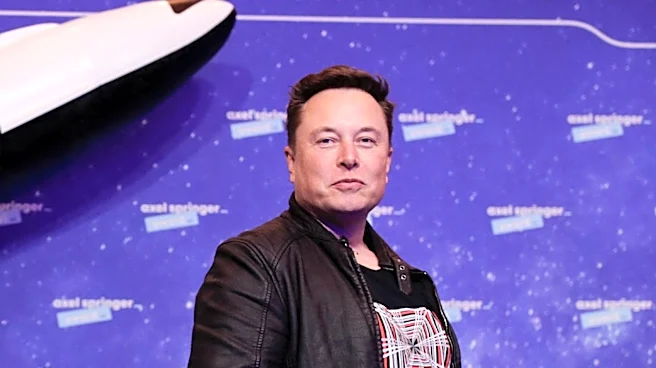
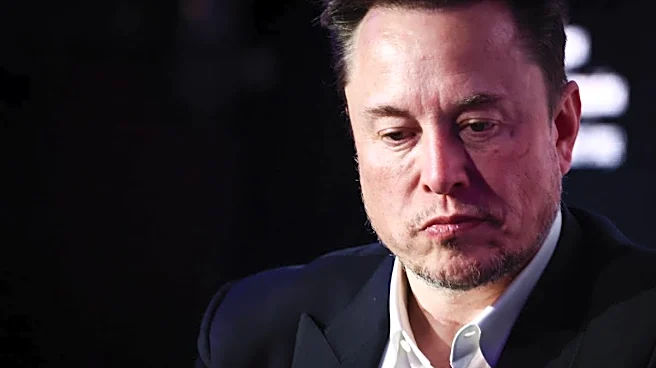
Elon Musk has reignited his criticism of Delta Air Lines for its decision to partner with Amazon Leo for in-flight Wi-Fi services instead of his company's Starlink. This renewed contention follows posts on X (formerly Twitter) by users indicating they
would choose United Airlines over Delta due to United's adoption of Starlink. Musk stated, "I warned them. It will get much worse," referencing his earlier prediction in May that Delta would lose customers by not selecting Starlink. Amazon Leo and Starlink both utilize constellations of low Earth orbit satellites to provide faster and stronger in-flight internet connections compared to traditional providers. While Starlink boasts over 10,000 active satellites and deals with 43 airlines, Amazon Leo has approximately 400 satellites and aims for over 3,000, with JetBlue and Delta as its only announced airline customers. Delta's CEO, Ed Bastian, previously cited a lower price point and the potential for a broader partnership with Amazon as reasons for choosing Leo.
Why It's Important?
This ongoing dispute highlights the intense competition in the burgeoning market for in-flight connectivity, particularly between major tech and aerospace players like SpaceX (Starlink) and Amazon (Leo). The choice of in-flight Wi-Fi provider is becoming a significant differentiator for airlines, influencing customer loyalty and potentially impacting revenue. As consumers increasingly expect seamless connectivity, the quality and availability of internet services on flights can sway booking decisions. For Starlink, securing airline partnerships is crucial for expanding its market presence and demonstrating its technological superiority. Conversely, Amazon Leo's entry into this space, backed by a major airline like Delta, signals its ambition to challenge Starlink's dominance. The competitive landscape could drive innovation and reduce costs for airlines, ultimately benefiting travelers with improved services. However, it also underscores the strategic importance of these partnerships for the long-term growth and profitability of satellite internet providers.
What's Next?
The rivalry between Starlink and Amazon Leo is expected to intensify as both companies vie for more airline contracts and expand their satellite constellations. Amazon plans to launch its service with JetBlue next year, with Delta scheduled to follow in 2028, which will provide a direct comparison of service quality and customer satisfaction against Starlink-equipped airlines. Airlines will continue to evaluate the cost-effectiveness, performance, and customer appeal of both systems. The public's reaction to Delta's Amazon Leo service, once fully implemented, will be a critical factor in future airline decisions. This competition could lead to further price reductions or enhanced service offerings as each provider seeks to gain a competitive edge. Additionally, the ongoing public commentary from figures like Elon Musk will likely keep this issue in the spotlight, influencing consumer perceptions and potentially pressuring airlines to consider their Wi-Fi choices carefully.
Beyond the Headlines
Beyond the immediate competition for airline contracts, this scenario reflects a broader trend of vertical integration and diversification by tech giants. Companies like SpaceX and Amazon are leveraging their core capabilities in space technology and logistics to enter new markets, disrupting traditional industries. The battle for in-flight Wi-Fi is not just about internet access; it's about establishing ecosystems and long-term strategic partnerships that could extend to other services. The emphasis on low Earth orbit satellites represents a paradigm shift in global connectivity, promising faster and more reliable internet access in previously underserved areas, including air travel. This technological advancement could fundamentally change how people work, communicate, and consume entertainment while flying, blurring the lines between ground-based and airborne experiences. The ethical implications of such powerful companies influencing consumer choices through their various ventures also warrant consideration.