





What's Happening?
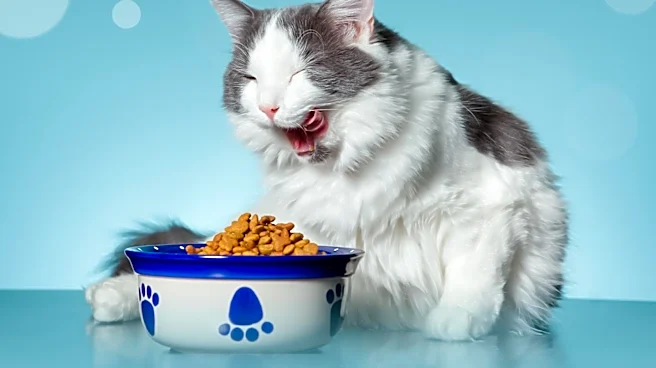
Smalls, a cat-centric brand, has initiated its most extensive advertising campaign to date, titled 'Is Cat.' This campaign represents a significant financial commitment aimed at increasing consumer awareness as the company expands its retail presence
across the United States. The 'Is Cat' campaign is designed to run from September 1st through September 27th, with some out-of-home placements extending into October. It encompasses a broad range of media, including national linear and connected TV, out-of-home advertising in key New York City neighborhoods like SoHo, NoHo, and Williamsburg, creator partnerships, experiential activations, and social media engagement. The campaign's core message revolves around the idea that 'cat' signifies more than just a pet; it embodies an independent, selective, and unapologetically confident point of view. This initiative follows a period of substantial growth for Smalls, marked by expanded retail distribution and new partnerships with distributors such as Phillips Pet Food & Supplies, Independent Pet Supply, Fauna Foods, Mud Bay, and Supreme Pet.
Why It's Important?
This large-scale brand campaign by Smalls is important for the U.S. pet food industry as it signals a growing trend of specialized pet brands investing heavily in direct-to-consumer and broader market outreach. The significant investment in diverse advertising channels, from traditional TV to creator partnerships and experiential marketing, indicates a strategic effort to capture a larger share of the competitive pet food market. For consumers, this means increased visibility of premium and specialized pet food options, potentially influencing purchasing decisions and driving demand for higher-quality or niche products. For retailers and distributors, Smalls' aggressive expansion and marketing efforts could lead to increased sales volumes and new partnership opportunities, but also intensify competition for shelf space and customer loyalty. The campaign's focus on the 'cat' identity, emphasizing independence and confidence, reflects a deeper understanding of pet owner psychology and aims to forge a stronger emotional connection with its target audience, potentially setting new benchmarks for brand messaging in the pet care sector.
What's Next?
Following the initial run of the 'Is Cat' campaign, Smalls anticipates significant growth in its retail footprint through the end of 2026, driven by increased consumer awareness and demand. The brand plans to continue leveraging its expanded distribution network, which includes over 1,000 retail doors. The 12-week linear and connected TV buy, featuring 30- and 15-second spots, will introduce Smalls to a broader audience, while social media engagement through cat-parent creators will further amplify the campaign's reach. Additional elements, such as hand-painted murals, billboards, street-level installations, and a one-night experiential exhibition in New York hosted by artist Chloe Wise, are expected to maintain momentum. The success of this campaign will likely influence future marketing strategies within the specialized pet food market, potentially encouraging other brands to adopt similar multi-channel and emotionally resonant approaches to reach consumers and expand their market share.
Beyond the Headlines
The 'Is Cat' campaign by Smalls delves into the evolving cultural perception of pets, particularly cats, in American households. By framing 'cat' as a 'point of view' characterized by independence and quiet confidence, Smalls is tapping into a deeper psychological connection that many pet owners have with their animals. This approach moves beyond basic product features to cultivate a lifestyle brand identity, suggesting that choosing Smalls is an affirmation of the owner's own values and their understanding of their cat's unique personality. This trend of anthropomorphizing pets and aligning pet products with human aspirations reflects a broader societal shift where pets are increasingly viewed as integral family members. The campaign's creative strategy, which avoids traditional pet-category marketing in favor of humor and cultural relevance, could set a new standard for how pet brands engage with consumers, fostering a sense of community and shared identity among 'cat parents.' This could lead to a more sophisticated and emotionally driven marketing landscape within the pet industry.