







What's Happening?
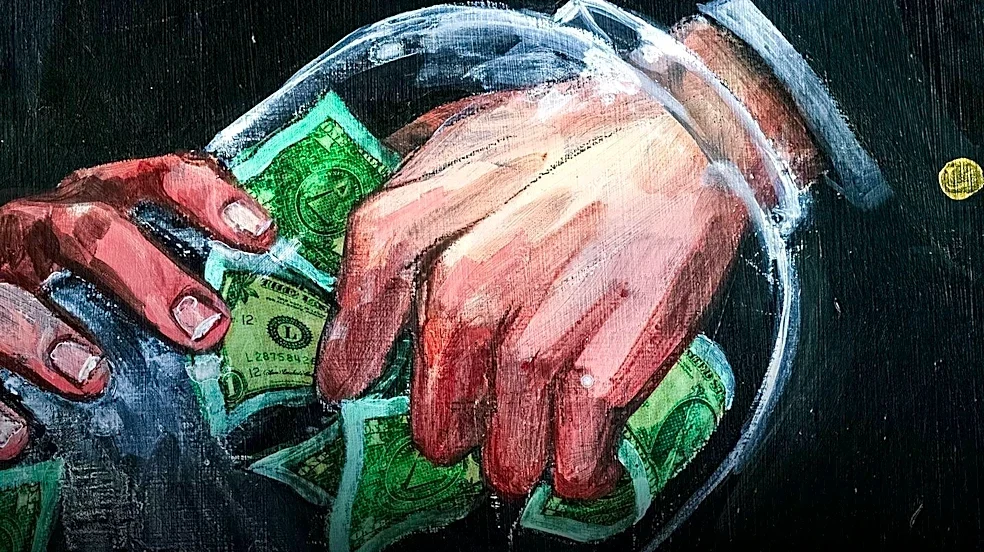
Federal prosecutors have uncovered a series of fraud cases totaling over $500 million, where investors were duped by scammers claiming to sell shares in Silicon Valley's hottest companies, particularly those in the AI sector. These 'grifters' allegedly
used fake sales reports, doctored bank statements, and inflated share prices to defraud investors. Cases have been brought against pre-IPO investment platform Linqto, AI startup SKAEL, and chatbot company GameOn. Former executives at Linqto and SKAEL have pleaded guilty, while the founder of GameOn awaits trial. Linqto, for instance, allegedly made over $450 million from more than 13,000 customers by promising access to private companies before their IPOs, imposing markups as high as 200% while claiming 'market' prices. SKAEL's founder admitted inventing revenue and providing fake bank records, leading to a prison sentence. GameOn's founder is accused of raising over $60 million through similar fraudulent means and allegedly misusing investor funds for personal expenses.
Why It's Important?
This widespread fraud highlights the significant risks associated with the 'AI gold rush' and the pre-IPO investment market in the U.S. It underscores how the allure of high returns in emerging technologies can attract unscrupulous actors, leading to substantial financial losses for investors. The cases reveal critical vulnerabilities in due diligence processes and the potential for sophisticated deception using fabricated financial documents. For the broader tech industry, such incidents can erode investor confidence, potentially making it harder for legitimate startups to secure funding. It also emphasizes the need for greater transparency and regulatory oversight in private markets, especially as high-profile AI companies like Anthropic and OpenAI prepare for public listings, which could expose more ordinary investors to similar risks.
What's Next?
The ongoing legal proceedings, including the pending trial for GameOn's founder and the cooperation of former executives, are expected to continue to shed light on the extent of these fraudulent activities. The SEC is also actively involved, with one case against SKAEL's founder awaiting a proposed settlement. These cases may lead to stricter enforcement actions and potentially new regulations aimed at protecting investors in the pre-IPO and emerging technology markets. As major AI companies like Anthropic and OpenAI move towards IPOs, there will be increased scrutiny on their financial disclosures and the mechanisms in place to prevent unauthorized stock deals. Investors are urged to exercise extreme caution and demand audited financial statements from non-public companies, as highlighted by experts.
Beyond the Headlines
The Silicon Valley fraud cases expose a deeper cultural issue where a 'fake it till you make it' mentality can be exploited for illicit gains, particularly in fast-paced, high-growth sectors like AI. The alleged misuse of investor funds for lavish personal expenses, as seen in the GameOn case, raises ethical questions about corporate governance and accountability in startups. The warnings from Anthropic and OpenAI about unauthorized stock deals indicate a growing concern among legitimate companies about the integrity of their private market shares. This situation also highlights the challenges faced by regulatory bodies, such as the SEC, in keeping pace with rapidly evolving financial schemes. The long-term implications could include a re-evaluation of investor protection laws and a shift in how private market investments are vetted and regulated to prevent future large-scale frauds.