




What's Happening?
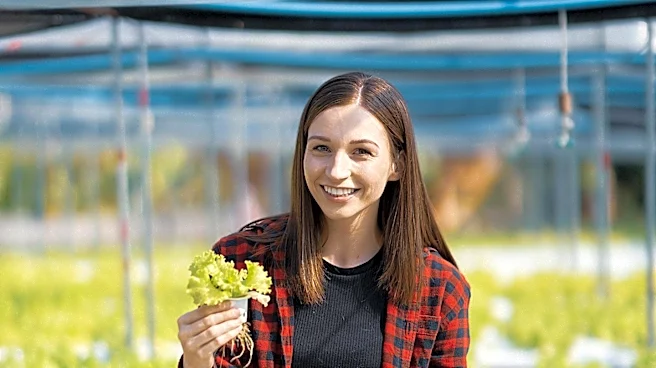
Innovative small-space gardening techniques are enabling individuals to produce significant amounts of fresh produce even without a traditional yard. One self-taught gardener successfully grew 180 pounds of produce, including 63 pounds of tomatoes, from
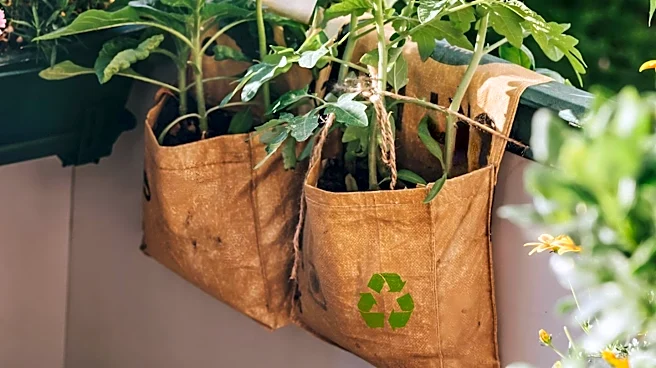
containers on a single urban balcony in one season. This demonstrates that small-space gardening, when executed effectively, can out-yield much larger traditional gardens. Key strategies include vertical gardening using trellises and wall-mounted planters, rethinking what constitutes a container, and employing square-foot gardening methods. Plant breeders are also developing compact varieties of popular plants, allowing them to thrive in containers. Additionally, succession planting ensures continuous production, and prioritizing multi-season plants maximizes the use of limited space. Treating soil as a crucial investment and utilizing techniques like vermicomposting further enhance productivity in these compact environments.
Why It's Important?
The rise of small-space gardening holds significant implications for urban populations and food sustainability in the U.S. It offers a practical solution for city dwellers to access fresh, healthy food, potentially reducing reliance on grocery stores and mitigating food deserts in urban areas. By maximizing yields in minimal footprints, these methods contribute to food security and promote healthier eating habits. The reduced water usage and lower maintenance demands compared to sprawling gardens also make it an environmentally conscious choice. Economically, it can lead to substantial grocery savings for individuals and families. Furthermore, the intentional decision-making required for small-space gardening fosters a deeper connection to food production and promotes sustainable agricultural practices on a micro-scale, influencing broader community-level initiatives.
What's Next?
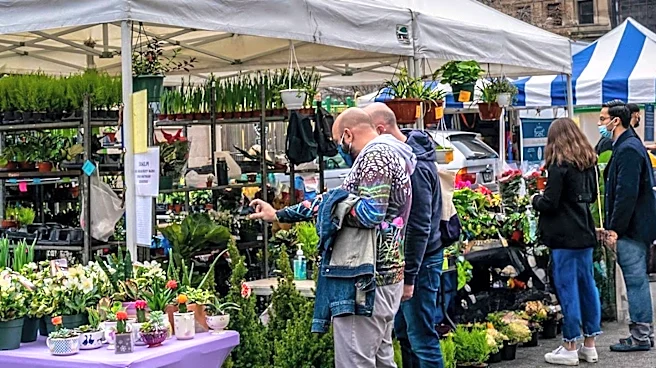
The continued development and adoption of small-space gardening techniques are likely to expand, with increasing interest in urban farming and sustainable living. Educational initiatives and workshops, such as those offered by horticultural societies, will play a crucial role in disseminating these methods to a wider audience. Expect to see more innovations in compact plant varieties and container designs. The integration of technology, such as basic drip irrigation timers for drought-tolerant plants, will also become more prevalent, making gardening accessible to those with busy schedules. As more individuals experience the benefits of high-yield, low-maintenance urban gardens, there could be a growing demand for community-supported agriculture models that incorporate these efficient practices, potentially influencing urban planning and green infrastructure development.
Beyond the Headlines
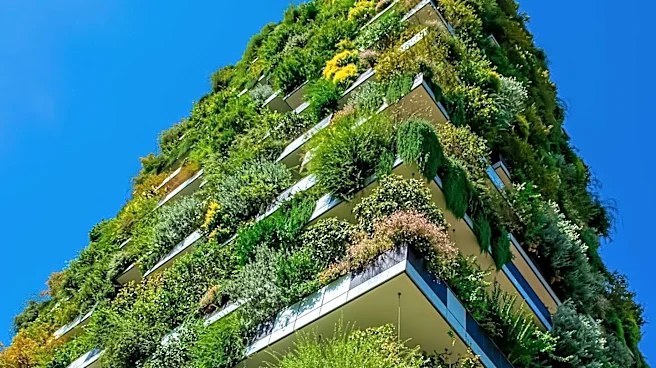
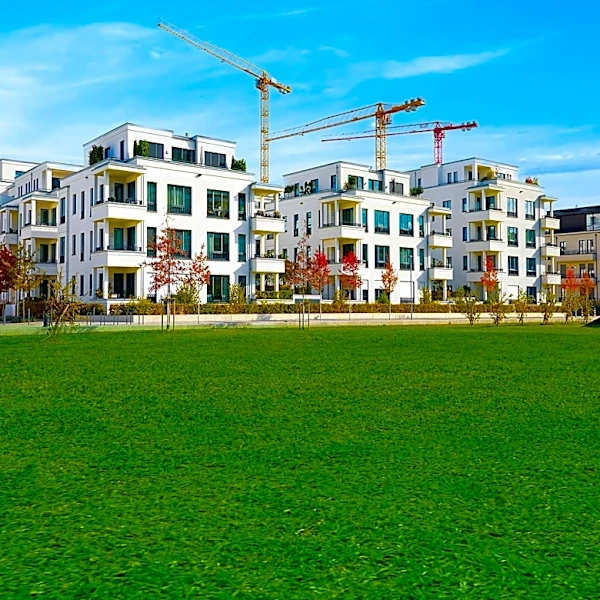
Beyond the immediate benefits of fresh produce, small-space gardening fosters a deeper appreciation for ecological principles and resource management. It challenges conventional notions of agricultural scale, demonstrating that significant impact can be achieved through intentional, localized efforts. The discipline required to optimize a small plot encourages creativity and problem-solving, transforming gardening from a mere hobby into a skill set with broader applications in sustainable living. Ethically, it promotes self-sufficiency and reduces the carbon footprint associated with food transportation. Culturally, it can revitalize urban spaces, turning neglected balconies and patios into vibrant, productive green areas, fostering community engagement and a sense of shared purpose around local food systems. This shift towards localized food production could also influence architectural design, integrating more vertical and container gardening solutions into urban residential and commercial developments.