








What's Happening?
The automotive industry is increasingly focusing on decarbonizing manufacturing processes by integrating clean power and optimized design. This shift is driven by the need to address emissions beyond tailpipe outputs, encompassing the entire production
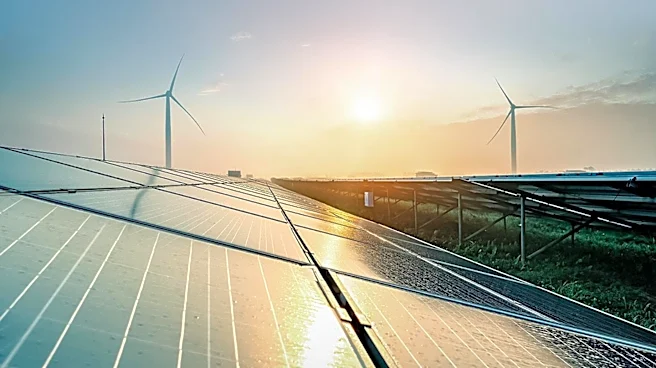
and supply chain. Key strategies include using renewable energy sources, improving energy efficiency, and adopting smart factory designs. Companies like BMW are leading the way by having their climate targets validated by the Science Based Targets initiative, aligning with global frameworks like the Paris Agreement. The industry is moving towards a holistic approach that includes Scope 1, 2, and 3 emissions, covering direct, indirect, and supply chain emissions.
Why It's Important?
Decarbonizing auto manufacturing is crucial for meeting global climate targets and reducing the automotive industry's environmental impact. By focusing on clean power and efficient design, manufacturers can significantly lower their carbon footprint, contributing to broader sustainability goals. This transition is not only environmentally beneficial but also economically advantageous, as it can lead to cost savings through improved energy efficiency and reduced material waste. The shift towards sustainable manufacturing practices is also driven by increasing consumer demand for environmentally friendly products and regulatory pressures. Companies that successfully implement these strategies may gain a competitive edge in the market.
What's Next?
As the automotive industry continues to decarbonize, manufacturers are expected to further integrate renewable energy sources and smart technologies into their operations. This includes expanding the use of on-site solar power, entering long-term renewable energy contracts, and utilizing digital tools for energy management. The focus will also be on enhancing supply chain sustainability by setting clear environmental standards for suppliers. As these practices become more widespread, the industry may see a shift towards more sustainable production models, potentially influencing other sectors to adopt similar approaches. Ongoing innovation and collaboration will be key to achieving these goals.