








What's Happening?
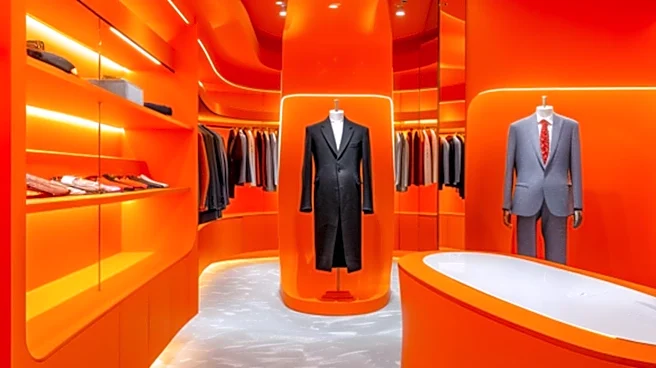
Luxury boutique shopping in 2026 is characterized by cooled growth and a strategic shift towards curated experiences and personalized service. Personal luxury goods growth is forecast at approximately 2.5% for 2026, a downgrade from previous expectations,
according to Morgan Stanley. While online fashion sales are projected to reach 25% of the overall market, in-store experiences continue to yield higher satisfaction rates. The EY Luxury Client Index 2026 indicates that 37% of luxury clients value unique in-store offers. This environment emphasizes the importance of boutiques for their curation and service, rather than volume. Shoppers are increasingly seeking fewer, higher-quality pieces and a more intimate buying experience. Furthermore, 94% of aspirational luxury clients believe AI could enhance their shopping journey, suggesting a growing expectation for technology to personalize and enrich the retail experience.
Why It's Important?
This evolving landscape has significant implications for U.S. luxury retailers and consumers. For retailers, the focus shifts from mass-market strategies to providing highly personalized, curated experiences that justify premium pricing. This means investing in knowledgeable staff, unique product selections, and creating inviting physical spaces that offer more than just a transaction. The integration of AI, as desired by a vast majority of aspirational clients, presents an opportunity for retailers to enhance customer profiles, provide smarter recommendations, and streamline operations, ultimately leading to a more tailored and efficient shopping experience. For consumers, the emphasis on 'cost-per-wear' and investment pieces encourages more thoughtful purchasing decisions, moving away from fast fashion towards sustainable luxury wardrobes. This also empowers consumers to seek out artisanal brands and demand transparency regarding product origins and craftsmanship, influencing brand accountability and ethical sourcing practices.
Beyond the Headlines
The shift in luxury boutique shopping reflects a deeper cultural movement towards conscious consumption and a redefinition of value. Consumers are increasingly prioritizing longevity, craftsmanship, and the story behind a product over fleeting trends and brand visibility. This trend encourages a more sustainable approach to fashion, where investment in high-quality, versatile pieces reduces waste and promotes a more mindful lifestyle. The desire for unique in-store experiences and personalized service also speaks to a human need for connection and expertise in an increasingly digital world. The integration of AI into luxury retail, while offering efficiency and personalization, also raises questions about maintaining the 'human touch' that is so central to the luxury experience. The challenge for brands will be to leverage technology to enhance, rather than diminish, the intimate and exclusive nature of luxury shopping, ensuring that AI serves to deepen relationships rather than automate them.