


What's Happening?
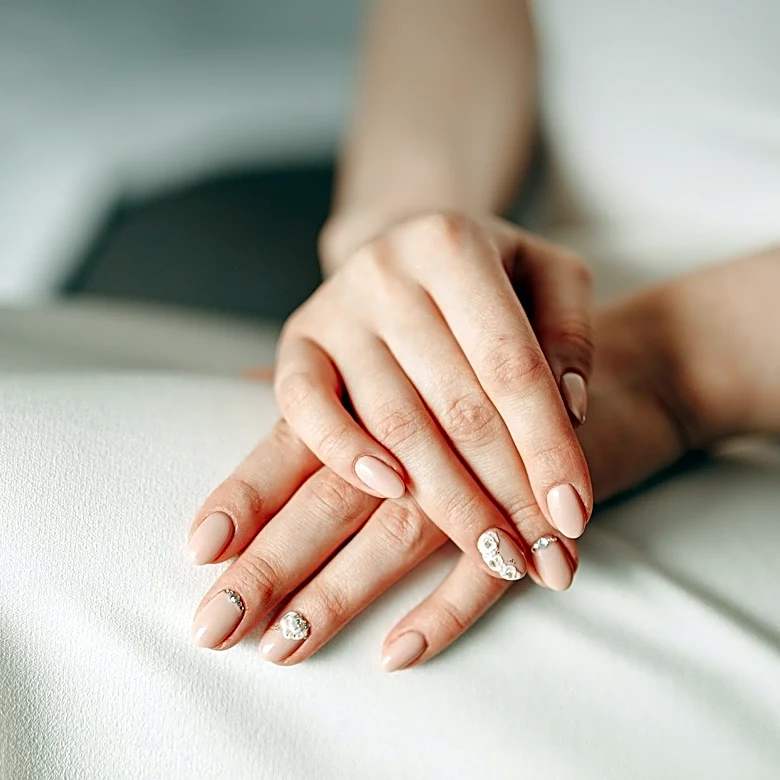
The concept of 'quiet luxury,' which emphasizes understated elegance and craftsmanship in fashion, is now influencing the beauty sector. This shift is moving away from overt cosmetic procedures towards more subtle, gradual enhancements. Sofwave™, an FDA-cleared
ultrasound treatment, is highlighted as a prime example of this trend in beauty. It works by delivering ultrasound energy to the mid-dermis, stimulating collagen remodeling over time, leading to a rested and polished appearance rather than an obviously 'done' look. The treatment is needle-free and offers minimal downtime, making it appealing to busy professionals seeking effective yet discreet aesthetic improvements. The U.S. Food and Drug Administration has cleared Sofwave™ for improving facial lines and wrinkles, and lifting the eyebrow, as well as lax tissue under the chin and on the neck for adults aged 22 and older. A full session typically lasts 30 to 45 minutes, with results appearing gradually over 8 to 12 weeks.
Why It's Important?
This trend signifies a broader cultural shift in consumer preferences within the U.S. beauty and wellness industry. Consumers are increasingly valuing authenticity and natural-looking results over dramatic, artificial alterations. For the beauty industry, this means a growing market for non-invasive, low-downtime treatments that offer subtle improvements. Companies like Sofwave™ stand to gain significantly as their technology aligns perfectly with this demand for 'quiet beauty.' This shift also impacts how beauty professionals market their services, moving towards consultations that prioritize realistic expectations and gradual enhancements. It could lead to a decline in demand for more aggressive, highly visible procedures, prompting a re-evaluation of product development and service offerings across the industry. Furthermore, the emphasis on FDA clearance and regulatory track records underscores a growing consumer demand for credible and safe treatments.
What's Next?
The beauty industry is likely to see continued innovation in non-invasive technologies that promise subtle, natural-looking results. More beauty brands and clinics may adopt marketing strategies that highlight restraint, craftsmanship, and gradual improvement, mirroring the 'quiet luxury' ethos. Consumers will likely become more discerning, seeking out qualified providers who offer thorough consultations and transparent information about outcomes and risks. The demand for treatments with minimal downtime will also continue to rise, catering to professionals and individuals with active lifestyles. This trend could also influence regulatory bodies to further scrutinize claims made by beauty product and service providers, ensuring they align with the understated and credible nature of 'quiet luxury' beauty.
Beyond the Headlines
The 'quiet luxury' movement in beauty reflects a deeper societal value placed on authenticity and self-acceptance. It suggests a move away from aspirational, often unattainable, beauty standards promoted by social media and towards a more grounded appreciation of individual features. Ethically, this trend could encourage a healthier relationship with cosmetic procedures, focusing on well-being and self-care rather than external validation. It also highlights the importance of skilled practitioners who understand the nuances of subtle enhancement, emphasizing artistry and personalized care. Culturally, it may signal a rejection of overt displays of wealth and status in favor of a more refined, discerning approach to personal presentation, where quality and intrinsic value are prioritized over brand visibility.