


What's Happening?
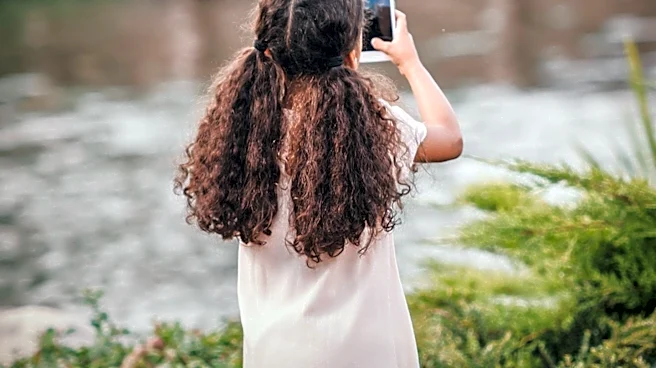
Many photographers are finding significant benefits in dedicating specific days to shooting exclusively with smartphones, rather than traditional professional camera equipment. This shift is driven by a desire to reduce the physical burden of carrying
heavy gear and to alleviate the mental pressure associated with professional photography. Modern smartphone cameras have advanced to a point where they are considered powerful and capable creative tools, offering high-quality imaging systems. This approach allows photographers to decompress, experiment with different techniques without the pressure of producing gallery-grade prints, and bypass restrictions often placed on professional cameras in public venues like museums or concert halls. The seamless workflow of capturing, editing, and sharing photos directly from a single device is also a major advantage.
Why It's Important?
This trend signifies a notable evolution in the photography industry, challenging the long-held belief that professional-grade results are solely achievable with expensive, bulky equipment. For photographers, it offers a pathway to combat 'photographer's burnout' by fostering a more relaxed and experimental approach to their craft. The accessibility and ubiquity of smartphones mean that high-quality photography is becoming more democratized, potentially broadening the pool of creators and diversifying photographic styles. Economically, this could influence the demand for professional camera gear, shifting focus towards mobile photography accessories and advanced editing applications. Socially, using smartphones for photography can lead to more candid and authentic captures, as people tend to react less formally to a phone camera compared to a large professional setup.
What's Next?
The continued advancement of smartphone camera technology is likely to further solidify this trend, with manufacturers investing more in computational photography and advanced imaging features. We can expect to see more photographers, both amateur and professional, integrating smartphone-only days into their routines, potentially leading to new genres and styles of mobile photography. Educational platforms and workshops may emerge to teach advanced smartphone photography techniques. Furthermore, the industry might see a greater emphasis on mobile-first editing and sharing platforms, streamlining the creative process from capture to publication. This could also prompt traditional camera manufacturers to innovate further, perhaps by developing lighter, more integrated systems that compete with the convenience of smartphones.
Beyond the Headlines
The embrace of smartphone photography touches upon deeper cultural and psychological aspects of creativity and technology. It highlights a shift from the 'sunk cost fallacy' associated with expensive gear to a more pragmatic and liberating approach to art. This movement encourages photographers to focus on their 'eye, timing, and presence' rather than the tools themselves, emphasizing that the essence of photography lies in the vision of the artist. Ethically, it raises questions about the perceived value of images captured with different types of equipment and how this influences artistic recognition. Culturally, it reflects a broader societal trend towards instant gratification and seamless digital integration, where the entire creative process can occur within a single, portable device, blurring the lines between professional and casual content creation.