
What's Happening?
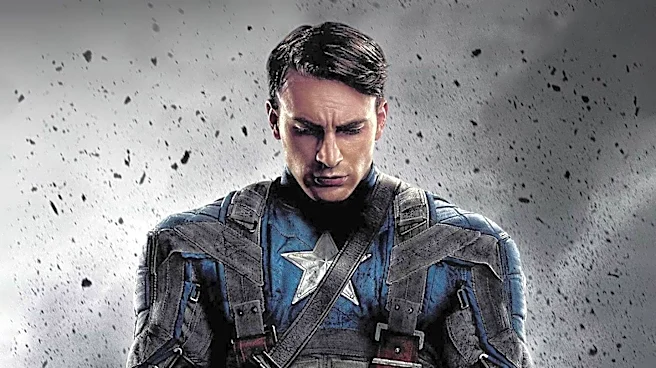
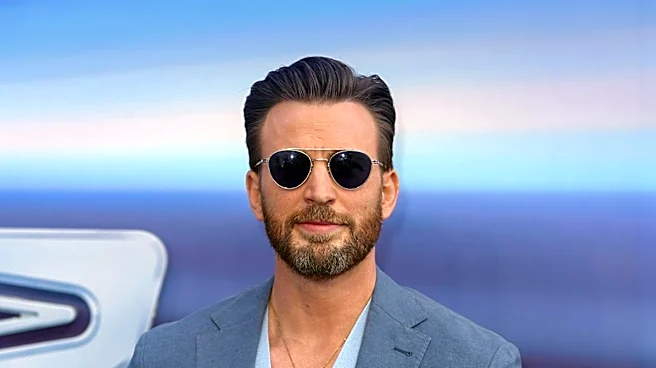
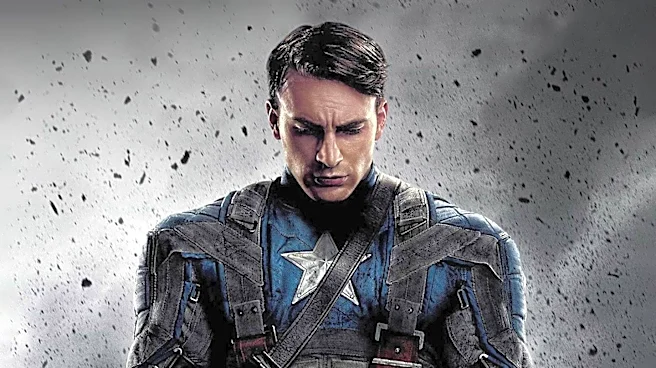
Chris Evans, known for his role as Steve Rogers/Captain America in the Marvel Cinematic Universe (MCU), initially expressed reluctance to reprise his character for 'Avengers: Doomsday'. His journey as Captain America concluded with 'Avengers: Endgame,'
where his character traveled back in time to live with Peggy Carter and later returned as an elderly man, passing his shield to Sam Wilson. According to an interview with Entertainment Weekly, Marvel Studios president Kevin Feige and co-president Louis D'Esposito had proposed continuing Rogers' story as Nomad, even during the filming of 'Endgame.' Evans stated that while the initial pitch was good, he was content with how his character's arc had concluded and did not feel compelled to return at that time. Marvel continued to present him with various ideas over the years, including concepts involving time travel and alternate timelines, but none were compelling enough for him to revisit the role.
Why It's Important?
This revelation highlights the careful consideration actors like Chris Evans give to their iconic roles and the narrative integrity of their characters within major franchises. For the MCU, securing the return of a beloved character like Captain America is a significant event that can impact audience engagement and box office success. Evans's insistence on a 'meaningful, impactful, and unique' story underscores a broader trend in Hollywood where actors seek creative fulfillment and character development beyond mere contractual obligations. This approach ensures that character returns are not perceived as gratuitous but rather as essential to the overarching narrative, maintaining the quality and emotional resonance that fans expect from long-running sagas. The decision-making process behind such a return also reflects the collaborative nature between actors and studio executives in shaping the future of major cinematic universes.
What's Next?
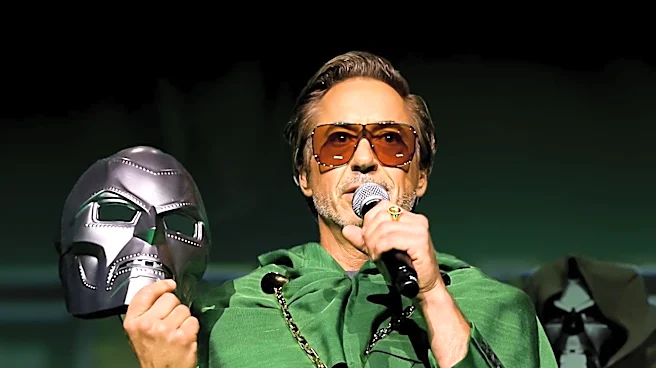
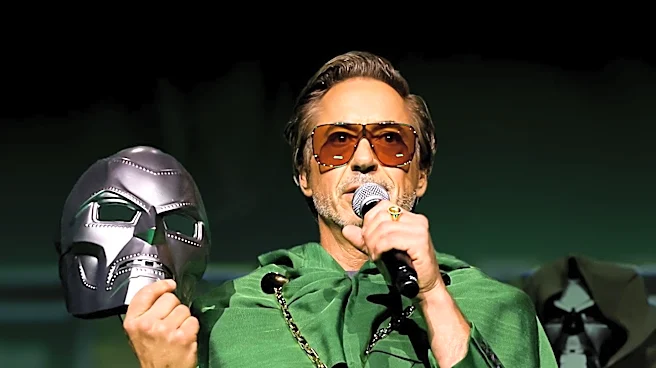
The turning point for Chris Evans came when Joe and Anthony Russo returned to direct 'Avengers: Doomsday,' and Robert Downey Jr. was announced as Doctor Doom. Joe Russo then presented Evans with a story that directly connected to the final moments of 'Endgame,' rather than picking up with Steve Rogers years later. This new pitch allowed for a portrayal of Rogers in an unprecedented way, providing a complex and dramatic purpose for his return. This suggests that future developments in the MCU will likely build upon established character arcs and seek to offer fresh perspectives on beloved heroes, ensuring that any reprisal of a role is justified by a strong narrative. The involvement of key creative figures like the Russo brothers and the introduction of significant characters like Doctor Doom indicate a strategic direction for the franchise to deliver impactful storytelling.
Beyond the Headlines
Chris Evans's initial reluctance and eventual agreement to return as Steve Rogers in 'Avengers: Doomsday' sheds light on the evolving dynamics between actors and major film studios. It emphasizes the growing power of established actors to influence creative decisions, particularly when their characters have achieved iconic status. This situation also reflects a broader industry trend where studios are increasingly willing to invest in compelling narratives to bring back fan-favorite characters, rather than relying solely on nostalgia. The emphasis on a 'meaningful, impactful, and unique' story for Rogers' return suggests a commitment to artistic integrity within the blockbuster framework, potentially setting a precedent for how other beloved characters might be revisited in the future. This approach aims to deepen the emotional connection with the audience and ensure the longevity of the franchise.