


What's Happening?
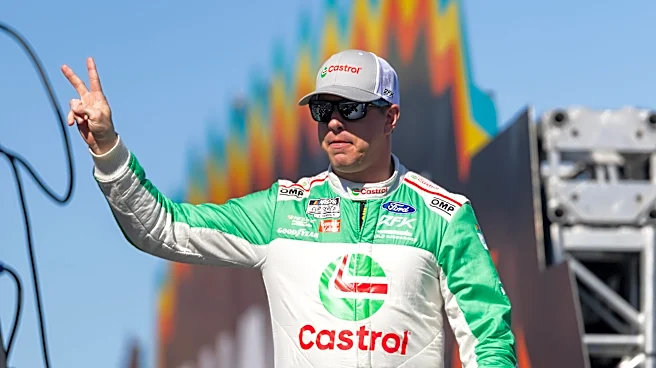
NASCAR team ownership values and advertising interest have significantly increased following the settlement of an antitrust lawsuit, according to Brad Keselowski. The lawsuit, filed by 23XI Racing and Front Row Motorsports against NASCAR, was settled
14 months after its initiation. This settlement made the coveted Charters permanent, granted teams a share in international revenue, and allocated them a third of the revenue from intellectual property. Charter revenue for each team is now linked to NASCAR’s media rights deals. Before the settlement, the last Charter sold for $45 million. Current estimates place Charter values between $50 million and over $100 million. Keselowski notes that the sport is now perceived as a stable ownership asset, leading to a dramatic increase in valuations and interest from investment firms.
Why It's Important?
The surge in NASCAR team values and ownership interest signifies a significant shift in the financial landscape of American motorsports. The antitrust settlement has provided a new level of stability and certainty to team ownership, making it a more attractive investment. This increased valuation could lead to greater financial health for teams, potentially allowing for more investment in talent, technology, and infrastructure. For sponsors, live sports, particularly NASCAR, are becoming a more appealing advertising platform compared to digital alternatives like Google and Facebook, as companies seek unique ways to tell their stories. This trend could bring new corporate partners and revenue streams into the sport, benefiting teams, drivers, and the league as a whole. The enhanced financial stability also suggests a more sustainable future for NASCAR, recovering from a downturn experienced in the past decade.
What's Next?
The increased valuation and stability in NASCAR team ownership are likely to attract more high-profile investors and corporate sponsorships. This could lead to further growth in team budgets, potentially enhancing competition and innovation within the sport. The focus on sustainability and profitability for team ownership, as highlighted by Keselowski, suggests a continued effort to strengthen the financial model of NASCAR. Future media rights negotiations will be crucial, as Charter revenue is tied to these deals, and any increases could further boost team values. The shift in advertising preferences towards live sports could also influence marketing strategies across various industries, potentially drawing more diverse brands into NASCAR.
Beyond the Headlines
The transformation of NASCAR's financial model, driven by the antitrust settlement, reflects a broader trend in professional sports where ownership stakes are increasingly viewed as stable, long-term assets. This development could set a precedent for other sports leagues facing similar challenges regarding team revenue sharing and ownership rights. The emphasis on sustainability over immediate profitability for team ownership indicates a maturing business approach within sports, prioritizing long-term viability. Furthermore, the observation that Fortune 500 companies are experiencing 'fatigue' with digital advertising platforms like Google and Facebook suggests a potential re-evaluation of marketing spend, with live sports emerging as a valuable alternative for brand storytelling. This could lead to a resurgence in traditional sports sponsorships and a rebalancing of advertising portfolios.