







What's Happening?
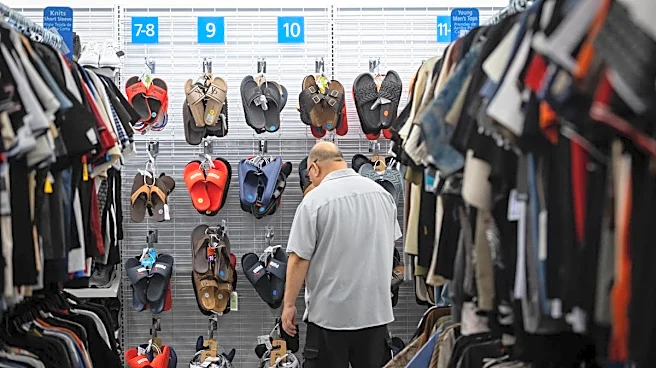
TJX Companies, the parent company of well-known retail banners such as TJ Maxx, Marshalls, and HomeSense, is demonstrating continued strength in the retail sector. These stores specialize in selling merchandise, including apparel, accessories, and furniture,
at significant discounts, typically ranging from 20% to 60% below prices found at other retailers. This business model relies on opportunistically purchasing goods from manufacturers who need to offload inventory due to various reasons, such as faltering demand, canceled orders from other retailers, or out-of-season items. This strategy allows TJX Companies to offer attractive prices to consumers, fostering a 'treasure hunt' shopping experience. The company's approach has proven particularly appealing during challenging economic periods, as consumers seek greater value for their purchases. This model contrasts with traditional retail by not relying on consistent, direct-from-manufacturer orders but rather on a flexible, opportunistic buying strategy.
Why It's Important?
The sustained success of TJX Companies highlights a significant trend in the U.S. retail landscape: the enduring appeal and resilience of the off-price retail model. In an economic environment where consumers are increasingly value-conscious, retailers like TJ Maxx provide an essential service by making branded and quality merchandise accessible at lower price points. This benefits consumers by stretching their purchasing power, especially during periods of inflation or economic uncertainty. For the broader retail industry, TJX's performance underscores the competitive pressure on traditional full-price retailers, who must contend with consumers' growing expectation for discounts. The company's ability to consistently acquire desirable inventory at favorable prices also demonstrates the dynamic nature of the supply chain, where excess goods can be efficiently channeled to discount outlets, preventing total losses for manufacturers. This model also creates a unique shopping experience that encourages frequent visits, as inventory constantly changes, fostering customer loyalty.
What's Next?
Given its proven business model and strong performance, TJX Companies is likely to continue its expansion and market penetration. The company's strategy of opportunistic buying and offering significant discounts positions it well to adapt to fluctuating consumer demand and economic conditions. As economic pressures persist, more consumers may turn to off-price retailers, further solidifying TJX's market position. The company will likely continue to leverage its extensive network of suppliers to secure diverse and attractive merchandise. Furthermore, the 'treasure hunt' aspect of shopping at TJ Maxx and its sister stores will remain a key differentiator, encouraging repeat visits and maintaining customer engagement. Continued focus on efficient inventory management and strategic purchasing will be crucial for sustaining its competitive advantage in the evolving retail sector.
Beyond the Headlines
The success of TJX Companies reflects a deeper cultural and economic shift in consumer behavior, moving beyond brand loyalty to value-driven purchasing. This trend challenges the traditional retail hierarchy, where brand prestige often dictated price. Instead, consumers are increasingly savvy, seeking quality and style at the best possible price, regardless of the original retail channel. This phenomenon also has implications for brand perception; while some brands might be wary of their products appearing in discount stores, the reality is that off-price channels provide an effective way to clear inventory without resorting to deep in-store markdowns that could devalue the brand. Moreover, the 'treasure hunt' experience taps into a psychological aspect of shopping, making it more engaging and rewarding for consumers. This model also contributes to a more sustainable retail ecosystem by providing an outlet for excess production, potentially reducing waste in the fashion and home goods industries.