






What's Happening?
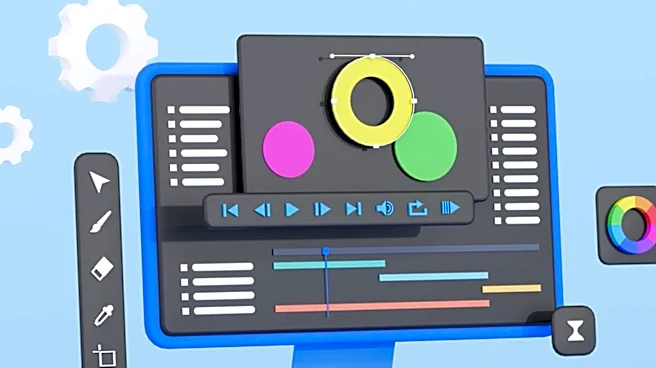
Eli Z Group, a collective of Direct-to-Consumer (DTC) brands operating in the U.S., is actively seeking a Video Editor specializing in performance marketing with a strong emphasis on AI video generation. The role focuses on creating advertisements primarily
for Meta platforms, with Google, TikTok, and YouTube also being significant channels. The ideal candidate will be proficient in using AI tools like Veo 3, Kling 3, Seedance, Runway, Higgsfield, and Nano to produce engaging ad content, including regenerating scenes to match voiceovers and creating ads with AI presenters. The position requires a deep understanding of current trends on TikTok and Meta's ad library, with a weekly target for new concepts and hook variations. Editors will work with both real footage and AI-generated content, and their performance will be measured by key metrics such as spend, hook rate, Cost Per Acquisition (CPA), and Return on Ad Spend (ROAS). The company is also developing its own creative generation tool, which the new editor will help refine.
Why It's Important?
This job opening signifies a critical evolution in performance marketing for U.S. DTC brands, highlighting the increasing reliance on artificial intelligence for content creation. The demand for an 'AI-first' video editor underscores the need for rapid, data-driven ad production that can quickly adapt to platform trends and optimize for conversion metrics. For DTC brands, the ability to generate high-volume, effective ad content efficiently is crucial for competing in crowded digital marketplaces. This shift impacts the skill sets required in marketing departments, moving towards professionals who can leverage AI tools to create compelling visuals and narratives without extensive traditional production resources. It also suggests that brands are seeking to reduce costs and increase agility in their advertising efforts, making AI a central component of their creative strategy.
What's Next?
The adoption of AI in video ad creation is expected to accelerate across the DTC sector. More brands will likely invest in AI tools and seek talent proficient in these technologies to stay competitive. This could lead to a greater standardization of AI-powered creative workflows and potentially lower the barrier to entry for producing high-quality ad content. The focus on metrics like CPA and ROAS, directly tied to AI-generated content, will drive further innovation in AI's ability to predict and optimize ad performance. Additionally, as AI tools become more sophisticated, there may be a growing need for human oversight to ensure brand consistency and ethical considerations in AI-generated content. The development of in-house AI creative tools, as mentioned by Eli Z Group, indicates a strategic move by brands to gain more control over their advertising production.
Beyond the Headlines
The integration of AI into video ad creation raises broader implications for the creative industry. While AI offers efficiency and scalability, it also prompts discussions about the future of human creativity in advertising. The role described by Eli Z Group suggests a hybrid model where human editors direct AI tools, blending technical expertise with creative vision. This could lead to new forms of artistic expression and storytelling in advertising, but also challenges traditional creative roles. Furthermore, the emphasis on 'AI-first' content could influence consumer perceptions of authenticity and brand engagement, as audiences become more accustomed to AI-generated visuals. The ethical considerations of using AI presenters and synthetic voices, particularly regarding transparency and potential biases, will also become increasingly important as this technology becomes more widespread.