



What's Happening?
New home construction is increasingly focusing on flexible design to accommodate the changing needs of families and lifestyles over time. According to Gallery Homes, a well-planned home should function effectively not just for immediate needs but also
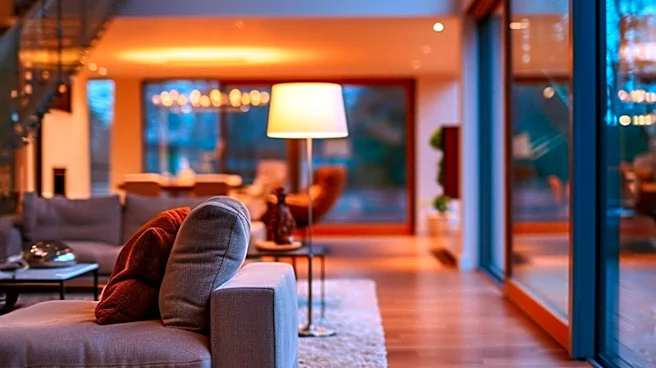
for the next five, ten, or even twenty years. This involves designing spaces that can serve multiple purposes, such as a spare bedroom transitioning from a nursery to a homework room or a home office. Lofts and bonus spaces are being designed to evolve from playrooms for young children into media rooms or quiet retreats. The way families gather has also influenced design, with kitchens often serving as central gathering spaces and dining areas doubling as homework stations. Open-concept layouts are favored for their ability to connect cooking, dining, and living areas, fostering interaction and adaptability for various activities, from movie nights to holiday celebrations.
Why It's Important?
This trend is significant for the U.S. housing market and construction industry, as it reflects a consumer demand for long-term value and functionality in homeownership. Builders and architects who prioritize flexible and adaptable designs are likely to gain a competitive edge. For homeowners, this approach offers financial benefits by reducing the need for costly renovations as life stages change. It also enhances the overall livability and resale value of a property. The emphasis on multi-purpose spaces and open layouts caters to modern family dynamics, where work, education, and leisure often converge within the home. This shift also highlights a growing awareness among consumers about sustainable living, as homes designed for longevity reduce the environmental impact associated with frequent remodeling or relocation.
What's Next?
The demand for adaptable home designs is expected to continue influencing architectural trends and construction practices. We may see more innovative solutions for modular living spaces, convertible furniture, and smart home technologies that enhance flexibility. Builders might increasingly offer customizable floor plans with built-in options for future expansion or reconfiguration. There could also be a greater focus on universal design principles, ensuring homes are accessible and comfortable for all ages and abilities, anticipating long-term needs. Educational resources for homeowners on how to maximize the flexibility of their living spaces could also become more prevalent, guiding them in making informed design choices that support evolving lifestyles.
Beyond the Headlines
The move towards adaptable home design reflects a deeper societal trend of seeking resilience and foresight in personal investments. In an era of rapid change, both economically and socially, homeowners are looking for stability and functionality that can withstand unforeseen shifts. This approach to home design can foster a stronger sense of permanence and belonging, as families can grow and evolve within the same physical space. It also challenges the traditional notion of single-purpose rooms, encouraging a more creative and efficient use of square footage. This could lead to a re-evaluation of what constitutes a 'dream home,' shifting the focus from sheer size to intelligent design that supports a dynamic and fulfilling lifestyle over many years.