






What's Happening?
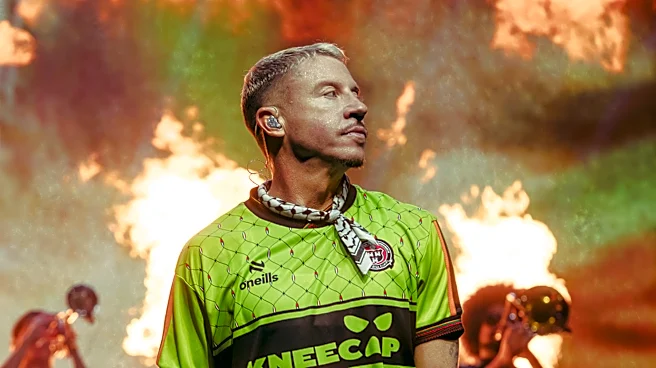
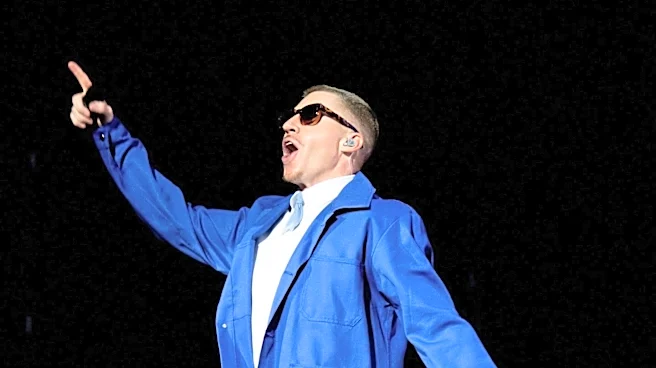
Madison Square Garden (MSG) has publicly stated that rapper Macklemore is 'not an arena-level act,' following his claims that nine major American arenas, including MSG, denied his 'Free Palestine Benefit Tour' dates. Macklemore, whose real name is Benjamin
Hammond Haggerty, posted on Instagram on Friday, November 6, alleging that after initial availability, dates were withdrawn once venues learned the tour was for Palestine. He described this as an unprecedented experience in his 20 years of touring, suggesting an attempt to silence his message. MSG Entertainment, however, countered this by telling TMZ that their venues have extremely limited availability and Macklemore does not draw the crowds necessary for arena-sized events. This dispute comes after Macklemore performed three sold-out shows for the 'Free Palestine Tour' in Dublin, Paris, and London last month. Previously, he made 'Free Palestine' remarks during performances in New Jersey in September, leading to his removal from Ed Sheeran's Loop Tour after objections from New England Patriots owner Robert Kraft and other stadium owners.
Why It's Important?
This dispute highlights the complex interplay between artistic expression, political activism, and commercial interests within the entertainment industry. Macklemore's allegations, if true, could suggest a chilling effect on artists who use their platforms for politically charged causes, potentially impacting freedom of speech within commercial venues. Conversely, MSG's response underscores the business realities of arena bookings, where profitability and audience draw are paramount. The incident could influence how other artists approach politically themed tours and how venues manage their public image in relation to controversial topics. It also brings to light the potential financial and reputational risks for both artists and venues when engaging with sensitive geopolitical issues, particularly in the U.S. where public opinion can be sharply divided.
What's Next?
The immediate future will likely see continued public discourse surrounding Macklemore's claims and MSG's rebuttal. Other venues mentioned by Macklemore, such as the Prudential Center, Barclays Center, and UBS Arena, may face pressure to comment on their booking decisions. This situation could prompt further discussions within the music industry regarding venue policies on politically charged events and the criteria for 'arena-level' acts. Macklemore may explore alternative venues or formats for his 'Free Palestine Benefit Tour,' potentially opting for smaller, independent venues or online events. The incident could also galvanize support or opposition from various advocacy groups, further amplifying the political and social dimensions of the controversy.
Beyond the Headlines
This event transcends a simple booking dispute, touching upon broader themes of corporate censorship, artistic integrity, and the commercialization of social justice movements. It raises questions about the extent to which private corporations, like MSG, should be arbiters of political expression, especially when artists address global conflicts. The incident could set a precedent for how major U.S. entertainment venues handle artists with strong political stances, potentially leading to more explicit policies or increased scrutiny of tour themes. Furthermore, it underscores the power of celebrity platforms in raising awareness for international causes, even as it reveals the challenges artists face when their activism clashes with commercial interests or prevailing political sensitivities. The public's reaction will also be a key indicator of how much tolerance exists for political messaging in mainstream entertainment.