



What's Happening?
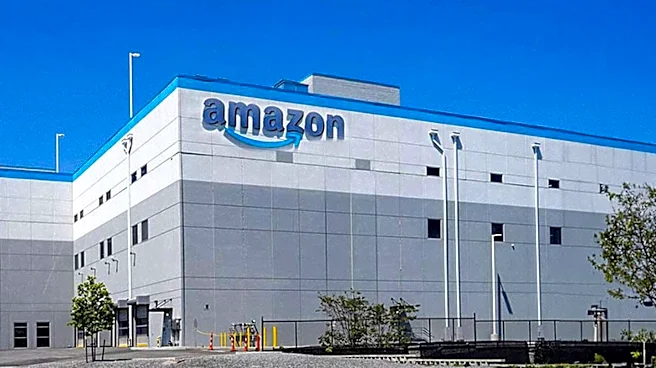
Amazon's Tokyo office has incorporated upcycled furniture into its design, showcasing a commitment to sustainability and creative reuse of materials. A notable feature is a dinosaur sculpture crafted from materials repurposed from an older Amazon office.
This initiative highlights a growing trend in corporate interior design to integrate environmentally conscious practices. The office's design not only serves functional purposes but also acts as a statement piece, reflecting the company's values. This approach to office furnishing contrasts with traditional methods of acquiring new furniture, emphasizing resourcefulness and reducing waste. The use of upcycled items extends beyond decorative elements to practical furnishings, creating a unique and eco-friendly workspace for employees in Tokyo.
Why It's Important?
This move by Amazon in its Tokyo office is significant as it demonstrates how large corporations can integrate sustainable practices into their operational infrastructure. By upcycling furniture and materials, Amazon is setting an example for other businesses to consider the environmental impact of their office setups. This can influence broader industry trends towards more sustainable procurement and design, potentially reducing demand for new resources and minimizing landfill waste. The creative use of upcycled materials, such as the dinosaur sculpture, also fosters a unique and inspiring work environment, which can positively impact employee morale and creativity. It signals a shift towards valuing resourcefulness and environmental responsibility within corporate culture, potentially encouraging employees to adopt similar practices in their personal lives.
What's Next?
The success and visibility of Amazon's upcycled office design in Tokyo could inspire similar initiatives across its global offices and within other multinational corporations. This could lead to increased demand for upcycled furniture and materials, fostering growth in industries specializing in sustainable design and waste reduction. Companies might begin to explore partnerships with artisans and businesses focused on repurposing materials, creating new economic opportunities. Furthermore, this trend could influence architectural and interior design standards, with a greater emphasis on sustainability and circular economy principles. Future office designs may increasingly feature bespoke, upcycled elements that tell a story and reflect a company's commitment to environmental stewardship.
Beyond the Headlines
Beyond the immediate environmental benefits, Amazon's upcycled office design touches upon deeper cultural and ethical implications. It challenges the consumerist mindset of constant new production and encourages a re-evaluation of 'waste' as a valuable resource. This approach can foster a culture of innovation where creativity is applied to problem-solving, such as transforming discarded items into functional art. Ethically, it aligns with corporate social responsibility by demonstrating a tangible effort to reduce ecological footprint. Culturally, such unique office environments can become symbols of a company's progressive values, attracting talent that prioritizes sustainability and creative expression. It also subtly educates visitors and employees about the potential of upcycling, promoting a broader societal shift towards more sustainable living.