


What's Happening?
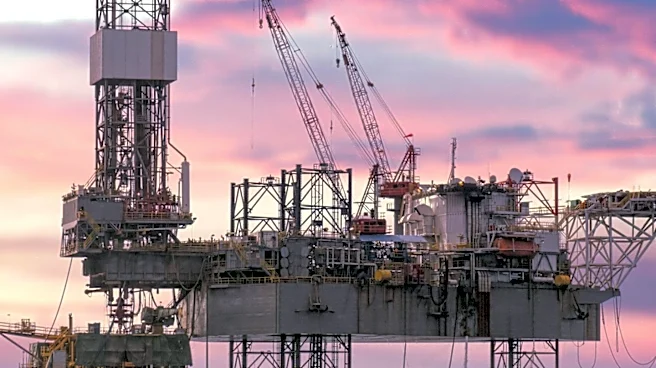
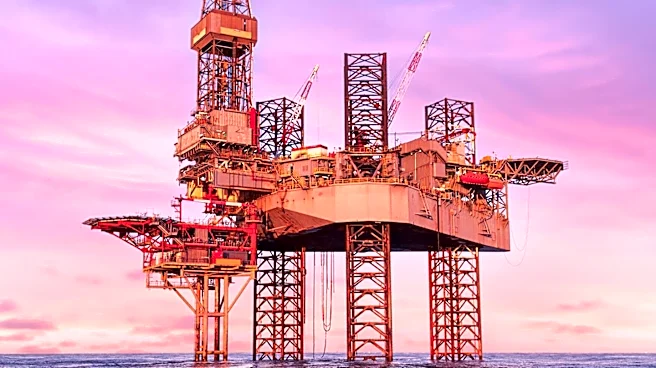
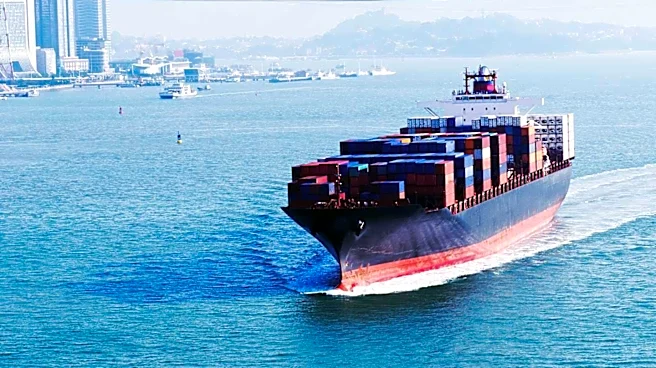
Recent attacks in the Red Sea region have led to increased diesel costs for open-pit miners, highlighting the interconnectedness of global commodity markets. Houthi forces claimed strikes on two Saudi oil tankers, while the Caspian Pipeline Consortium
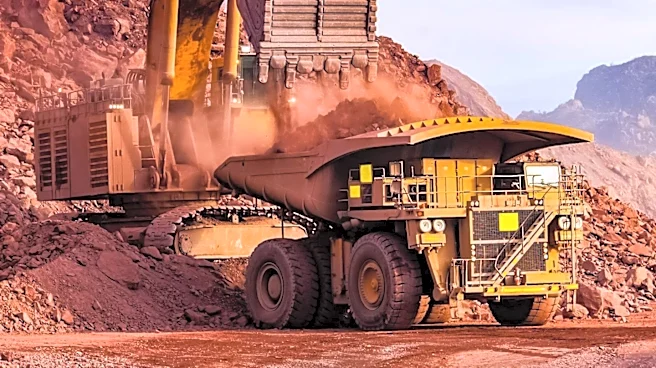
suspended loadings at its Black Sea terminal, affecting Kazakhstan's crude oil export capacity. These disruptions have caused a spike in oil prices, with Brent Crude surpassing $100 per barrel. The increased diesel costs are impacting open-pit mining operations, which are heavily reliant on diesel for haulage fleets, drilling, and ancillary equipment. The Jefferies framework suggests that a 10% increase in crude oil prices adds approximately $10 per ounce to all-in sustaining costs for open-pit gold producers.
Why It's Important?
The rise in diesel costs due to geopolitical tensions in the Red Sea region poses significant challenges for open-pit miners, who are among the most fuel-intensive industrial operations. The increased costs can erode profit margins and affect the financial performance of mining companies. The situation underscores the vulnerability of the mining sector to external geopolitical events and the importance of effective cost management strategies. The impact on diesel costs also highlights the need for mining companies to consider fuel hedging and other risk mitigation measures to protect against price volatility.
What's Next?
Mining companies will need to closely monitor geopolitical developments and their impact on fuel costs. The potential for further disruptions in the Red Sea region could lead to sustained high diesel prices, affecting mining operations and profitability. Companies may need to explore alternative energy sources or efficiency improvements to mitigate the impact of rising fuel costs. Investors will be watching for updates on cost management strategies and any revisions to financial guidance as companies respond to the changing cost environment.