







What's Happening?
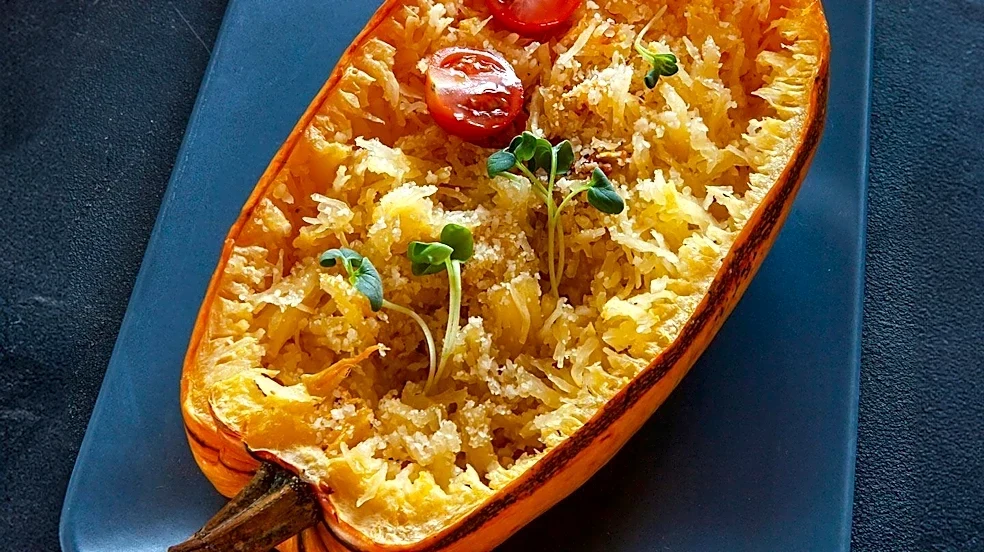
Spaghetti squash is gaining recognition as a beneficial food for weight loss and healthy eating due to its low-calorie and high-water content. A single cup of cooked spaghetti squash contains approximately 42 calories and 10 grams of carbohydrates, significantly
less than the 220 calories and 43 grams of carbohydrates found in a cup of cooked traditional spaghetti. This makes it an effective way to add volume to meals without substantially increasing caloric intake. The squash is over 90% water and provides about 2 grams of fiber per cup, contributing to satiety. While it offers a noodle-like texture, it is low in protein, with only about 1 gram per cup, suggesting it should be paired with protein sources for a more filling meal. It is also naturally gluten-free, making it suitable for individuals avoiding gluten.
Why It's Important?
The increasing focus on healthier eating habits and weight management in the U.S. makes spaghetti squash a relevant dietary option. Its ability to serve as a low-calorie, low-carb alternative to pasta can help individuals manage their weight and calorie intake more effectively. This is particularly important given the rising rates of obesity and related health issues. By providing a satisfying volume of food with fewer calories, spaghetti squash can aid in creating a calorie deficit necessary for weight loss, without leading to excessive hunger. Its versatility also allows it to fit into various dietary patterns, including keto, paleo, Mediterranean, and vegan diets, broadening its appeal across different health-conscious consumer groups. The natural gluten-free property also caters to a growing segment of the population with gluten sensitivities or celiac disease.
What's Next?
As awareness of spaghetti squash's nutritional benefits grows, it is likely to see increased adoption in home cooking and potentially in food service. Consumers may continue to explore creative ways to incorporate it into their diets, such as mixing it with regular pasta to reduce overall carbohydrate content or using it as a base for various sauces and protein-rich ingredients. Food manufacturers and restaurants might also consider integrating spaghetti squash into their offerings to cater to health-conscious consumers seeking lower-calorie and gluten-free options. Educational initiatives promoting healthy eating could highlight spaghetti squash as a practical tool for dietary management, further driving its popularity and integration into mainstream American diets.
Beyond the Headlines
The popularity of spaghetti squash reflects a broader cultural shift towards seeking whole, unprocessed foods as alternatives to refined carbohydrates. This trend underscores a growing consumer demand for natural ingredients that support health goals without sacrificing meal satisfaction. The emphasis on its high water content and fiber, rather than just calorie count, also highlights an evolving understanding of nutrition, where satiety and nutrient density are valued alongside caloric restriction. This movement away from highly processed, calorie-dense foods towards more natural, volume-rich options could have long-term implications for the food industry, encouraging innovation in plant-based and whole-food product development. It also points to a greater public interest in understanding the specific nutritional profiles of foods and how they contribute to overall well-being.