






What's Happening?
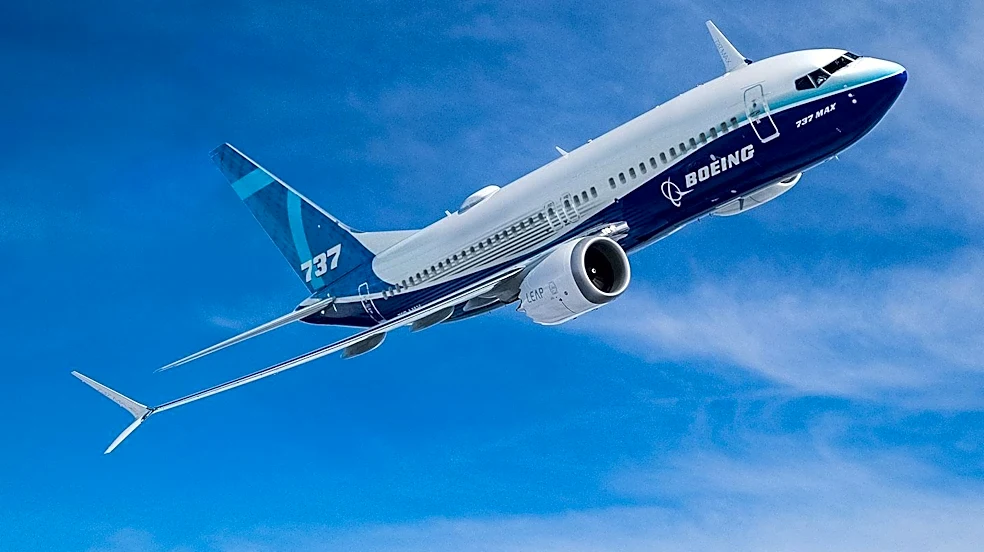
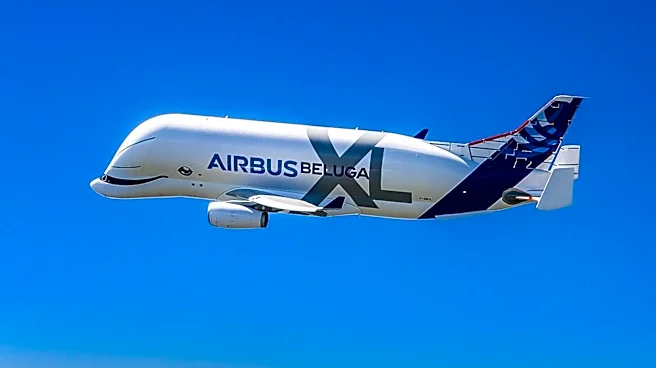
Airbus has released its latest 20-year forecast for the air cargo industry, projecting a 46% increase in the global fleet of cargo jets by 2045. This growth will necessitate 2,670 new aircraft, an increase of 65 planes compared to last year's report.
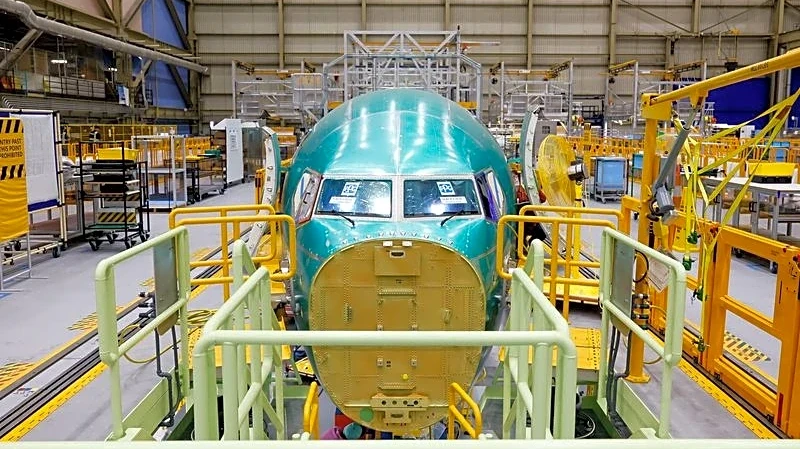
The majority of these new freighters will serve as replacements for older equipment, with approximately 1,100 aircraft contributing to growth to accommodate an estimated 3.2% compound annual growth rate in air cargo volumes. Of the total influx, 970 airframes are expected to be factory-built, while 1,700 aircraft will enter the fleet as passenger-to-freighter conversions. The forecast indicates that 57% of the demand for these 2,670 aircraft will be for medium and large widebody freighters, primarily used for long-haul and transcontinental transportation. This projection is based on economists' predictions for global trade to continue growing at a steady pace of 2.9% per year. The report notes that air cargo growth has historically outpaced global trade growth, despite various geopolitical and economic challenges.
Why It's Important?
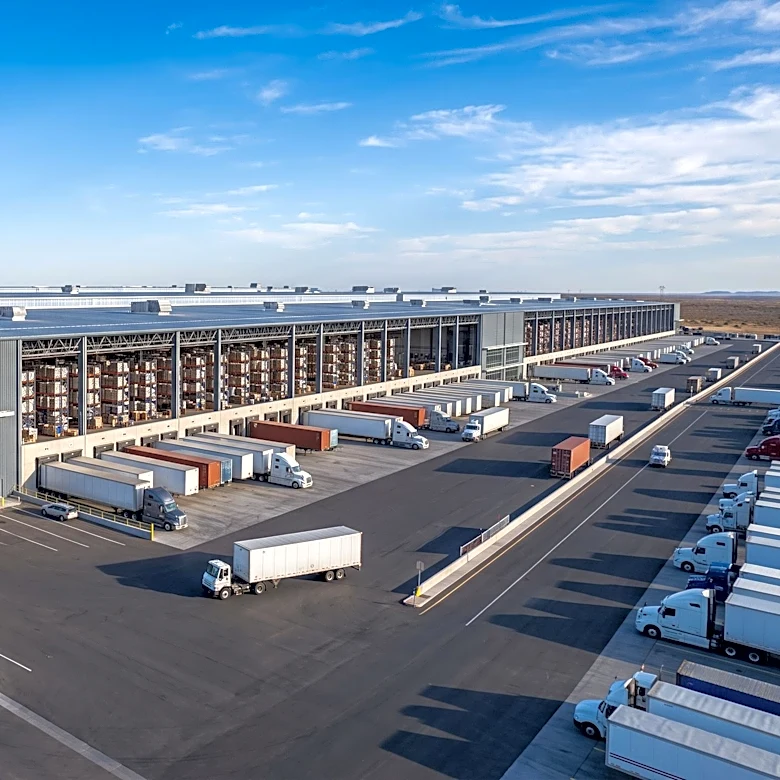
This forecast is significant for the U.S. and global logistics and manufacturing sectors. A substantial increase in the freighter fleet suggests sustained confidence in global trade and the critical role of air cargo in supply chains. For U.S. businesses, particularly those involved in international trade, this indicates continued reliance on air freight for time-sensitive and high-value goods. The emphasis on medium and large widebody freighters highlights the importance of long-haul capabilities, which are crucial for connecting the U.S. with major manufacturing hubs in Asia and Europe. The projected growth rate, while slightly lower than previous estimates, still surpasses the growth seen over the past two decades, signaling a robust outlook for air cargo despite economic fluctuations. This trend could lead to increased investment in air cargo infrastructure, including airports and logistics facilities, within the U.S., creating job opportunities and stimulating economic activity in related industries. Furthermore, the shift towards passenger-to-freighter conversions could present opportunities for maintenance, repair, and overhaul (MRO) providers in the U.S. to adapt existing aircraft for cargo use.
What's Next?
Following Airbus's forecast, other major aircraft manufacturers, such as Boeing, are expected to release their updated forecasts, which will provide a more comprehensive picture of the industry's outlook. These projections will likely influence investment decisions by airlines and cargo operators regarding fleet expansion and modernization. The anticipated demand for new freighters will drive innovation in aircraft design and efficiency, potentially leading to the development of more fuel-efficient and environmentally friendly cargo planes. Additionally, the continued growth in air cargo volumes will necessitate ongoing improvements in air traffic control systems and airport infrastructure to handle increased capacity. Stakeholders in the U.S. logistics and aviation sectors will closely monitor these developments to adjust their strategies, potentially leading to new partnerships, technological advancements, and policy discussions aimed at facilitating efficient air cargo operations. The forecast also suggests a continued focus on optimizing global supply chains, with air cargo playing a pivotal role in ensuring timely delivery of goods across continents.
Beyond the Headlines
The projected growth in the air freighter fleet has broader implications beyond immediate economic benefits. It underscores the increasing globalization of economies and the intricate interdependencies of international supply chains. The reliance on air cargo for a significant portion of global trade highlights vulnerabilities to geopolitical events, such as conflicts or trade disputes, which can disrupt air routes and impact cargo volumes. The forecast also implicitly points to the environmental challenges associated with increased air traffic, prompting a greater focus on sustainable aviation fuels and more efficient aircraft designs to mitigate carbon emissions. Furthermore, the growth in air cargo could influence urban planning around major airports, leading to the development of logistics parks and industrial zones. The strategic importance of air cargo hubs, including those in Central Asia like Baku and Tashkent, is also highlighted as carriers seek alternative routes to bypass regions affected by geopolitical tensions, indicating a potential shift in global air cargo traffic patterns and the emergence of new logistical corridors.