
What's Happening?
Diageo, a British multinational alcoholic beverages company, has seen its stock downgraded to a 'Hold' rating by a Seeking Alpha analyst. This decision comes despite the company reporting what are described
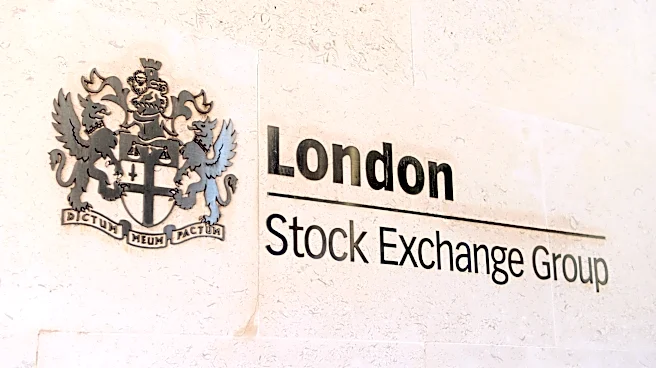
as 'good results.' The primary concern leading to the downgrade is the stagnation in Diageo's sales volumes. The analyst, who has been a long-term investor in Diageo and previously held a 'BUY' rating, noted that while the company's overall performance might appear positive, the lack of growth in the quantity of products sold presents a significant challenge. Diageo's portfolio includes well-known brands such as Johnnie Walker, Don Julio, Guinness, Crown Royal, Smirnoff, Baileys, and Captain Morgan. The company, formerly known as Guinness plc, changed its name in February 1998 and is headquartered in London, United Kingdom. As of November 2026, Diageo holds a market capitalization of ₹5.190 Trillion, ranking it as the world's 418th most valuable company by market cap, with its stock listed on the London Stock Exchange under the symbol DGE.
Why It's Important?
This downgrade is important for investors and the broader alcoholic beverage industry as it signals potential headwinds for even established market leaders like Diageo. Stagnant volumes, even when accompanied by 'good results' (which could imply revenue growth driven by price increases rather than increased consumption), suggest a saturation point or increased competition in key markets. For U.S. consumers, this could indirectly affect product availability or pricing strategies for Diageo's popular brands. For U.S. investors holding Diageo stock (NYSE: DEO), a 'Hold' rating indicates that while the company is not seen as a poor investment, its growth prospects may be limited in the short to medium term, prompting a re-evaluation of their portfolios. The broader market may also interpret this as a sign of slowing demand in the consumer staples sector, potentially influencing investment decisions across similar industries.
What's Next?
Following this downgrade, investors will likely be closely watching Diageo's upcoming earnings reports for any signs of volume recovery or further stagnation. The company may need to implement new strategies to stimulate sales growth, which could include increased marketing efforts, product innovation, or adjustments to pricing. Competitors in the alcoholic beverage sector will also be observing Diageo's performance, potentially looking to capitalize on any perceived weaknesses in market share. Analysts will continue to scrutinize Diageo's market position, particularly in key regions, to determine if the stagnant volumes are a temporary blip or indicative of a more persistent trend. Future guidance from Diageo's management regarding sales forecasts and market outlook will be crucial in shaping investor sentiment and potential stock performance.
Beyond the Headlines
The issue of stagnant volumes for a major player like Diageo could reflect deeper shifts in consumer behavior, particularly in the U.S. and other developed markets. Trends such as moderation in alcohol consumption, the rise of non-alcoholic alternatives, or a shift towards premiumization (where consumers buy less but higher-priced products) could be contributing factors. If consumers are drinking less overall, even strong brands might struggle to grow volume. This could prompt Diageo and other beverage companies to diversify their portfolios further into non-alcoholic options or explore new market segments. Furthermore, the focus on volume over revenue growth highlights a critical metric for long-term business health; while price increases can boost revenue in the short term, sustained volume growth is often a stronger indicator of market demand and brand strength. This situation could signal a broader challenge for mature industries facing evolving consumer preferences.