





What's Happening?
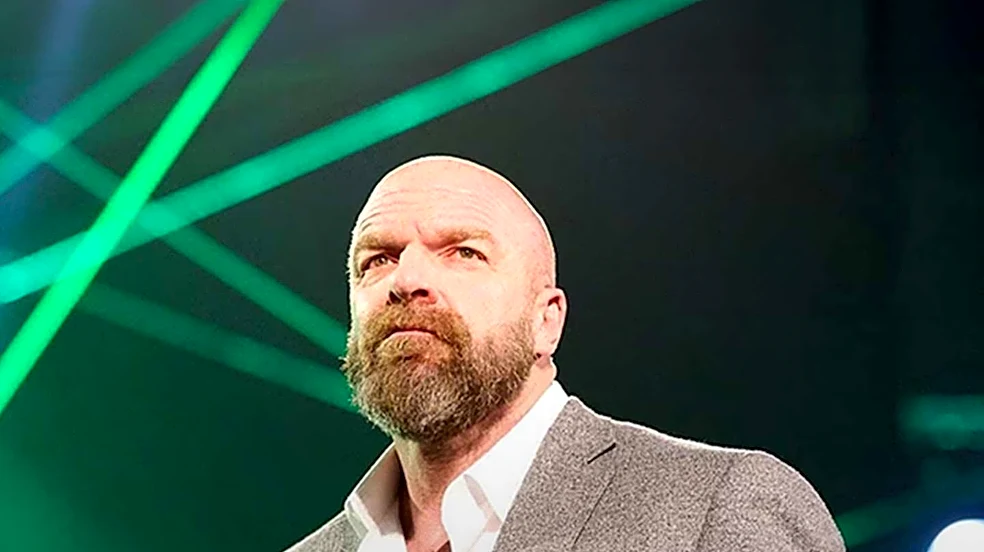
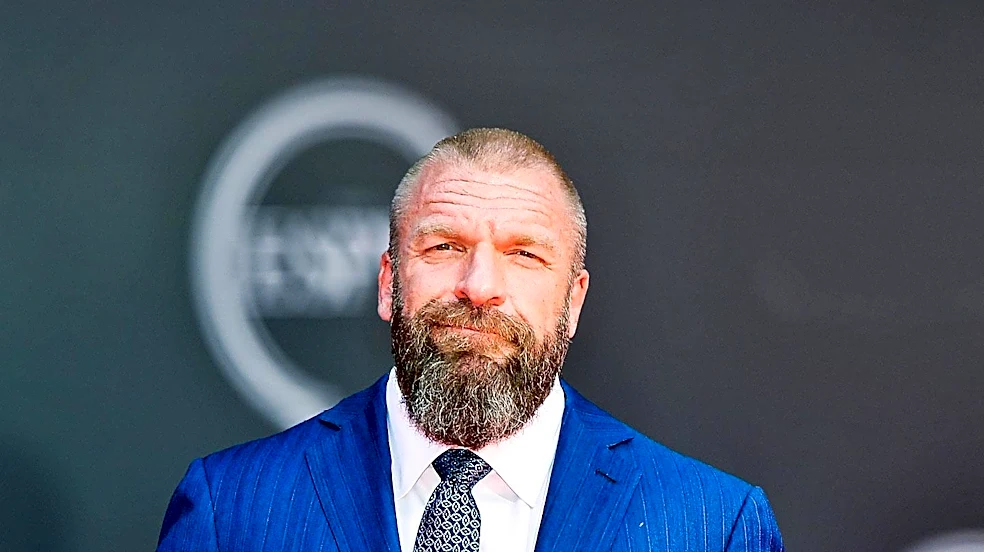
Drew McIntyre, a prominent WWE wrestler, has revealed that WWE's approach to allowing its talent to pursue Hollywood opportunities has significantly changed under the leadership of Nick Khan and Paul Levesque (Triple H). McIntyre, who recently completed
filming roles in upcoming projects alongside major Hollywood stars, explained that under previous management, such opportunities were often denied due to the need for wrestlers to be present for live events. However, the current leadership views these external projects as beneficial for both the individual wrestler's brand and the WWE brand, provided they make sense and attract more attention to the product.
Why It's Important?
This shift in policy is significant for WWE and the broader entertainment industry. Historically, WWE, under Vince McMahon, maintained a tight grip on its talent, often limiting external ventures. The new approach under Khan and Levesque signifies a more modern, talent-centric strategy that recognizes the value of cross-promotion and brand diversification. By allowing wrestlers to expand their careers into Hollywood, WWE can potentially elevate the profiles of its stars, attract new audiences to wrestling, and foster a more positive relationship with its talent. This could lead to increased mainstream visibility for WWE and its performers, blurring the lines between professional wrestling and traditional entertainment, and potentially attracting a wider range of talent to the sport.
What's Next?
The change in WWE's approach is likely to encourage more wrestlers to explore opportunities in film, television, and other entertainment sectors. This could result in a greater number of WWE Superstars appearing in mainstream media, further integrating professional wrestling into popular culture. WWE may also develop more structured programs or partnerships to facilitate these external ventures, ensuring they align with the company's overall branding and business objectives. This could lead to a new era where WWE talent are not just wrestlers but multi-faceted entertainers, enhancing their individual earning potential and the overall appeal of the WWE product.
Beyond the Headlines
This development reflects a broader evolution in how entertainment companies manage their talent and intellectual property. In an increasingly interconnected media landscape, the traditional boundaries between different forms of entertainment are dissolving. Companies are realizing the value of allowing their talent to diversify their portfolios, as it can lead to synergistic benefits across various platforms. This approach also empowers performers, giving them more control over their careers and potentially fostering greater loyalty. The long-term implications could include a more fluid talent market where individuals move more freely between wrestling, acting, and other entertainment roles, ultimately enriching the entire entertainment ecosystem and challenging traditional notions of celebrity and career paths.