

What's Happening?
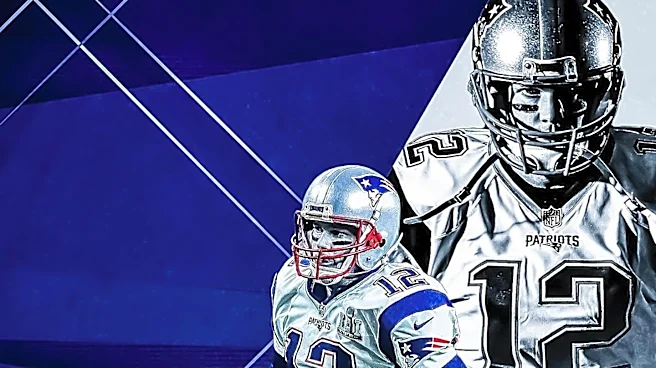
Tom Brady, in a recent edition of #AskTom, identified the David Tyree 'helmet catch' during Super Bowl XLII as the 'worst thing I could’ve ever imagined' and one of the 'saddest moments' of his career. This statement came in response to a question about
the worst thing he ever heard a referee say, to which he cited the confirmation of the catch on the field. The play, which occurred in the final minutes of Super Bowl XLII, saw New York Giants quarterback Eli Manning escape a sack and complete a 32-yard pass to David Tyree, who secured the ball against his helmet. This pivotal play set up the Giants' game-winning touchdown, preventing the New England Patriots from achieving a perfect 19-0 season. Brady also expressed his belief that a holding penalty on Richard Seymour was missed during the play. He further elaborated on the play, noting that despite having one of the Patriots' best defenders, Rodney Harrison, covering Tyree, and other Patriots players in position for a deflection, the ball was secured against the helmet and never came loose.
Why It's Important?
This recollection from Tom Brady highlights the enduring impact of a single play on the careers and legacies of professional athletes, particularly in high-stakes events like the Super Bowl. The 'helmet catch' is widely considered one of the most iconic and improbable plays in NFL history, and Brady's continued emotional response nearly two decades later underscores its significance. For fans and analysts, it reinforces the narrative of the Patriots' foiled perfect season and the Giants' underdog victory. From a broader perspective, it illustrates how moments of perceived injustice or unexpected outcomes can resonate deeply with competitors, shaping their personal narratives and contributing to the lore of the sport. The play also serves as a testament to the unpredictable nature of football, where a single, extraordinary effort can alter the course of history for multiple franchises and players.
What's Next?
While Tom Brady's comments are a reflection on a past event, they contribute to the ongoing discussion and re-evaluation of historical NFL moments. His perspective, as one of the most accomplished players in the sport's history, adds a new layer to the narrative surrounding Super Bowl XLII and the 'helmet catch.' This type of commentary often sparks renewed interest in classic games and debates among fans about 'what if' scenarios. For Brady, now a broadcaster, sharing such personal insights helps connect with his audience and provides a unique perspective on the game he once dominated. Future discussions about Super Bowl XLII or the greatest plays in NFL history will likely continue to reference Brady's candid feelings about this particular moment, ensuring its place in sports discourse.
Beyond the Headlines
Beyond the immediate impact on the game's outcome, the 'helmet catch' and Brady's enduring frustration with it touch upon the psychological aspects of elite competition. The memory of a missed opportunity, especially one that prevented a historic achievement like an undefeated season, can linger for years, even for a player as successful as Brady. This reveals the deep emotional investment athletes have in their performance and the outcomes of their games. Furthermore, Brady's mention of a potential missed holding call highlights the subjective nature of officiating and how such decisions, or lack thereof, can become points of contention and lasting grievances. It also speaks to the human element in sports, where even the most dominant teams and players can be undone by a single, extraordinary, and perhaps controversial, play.