


What's Happening?
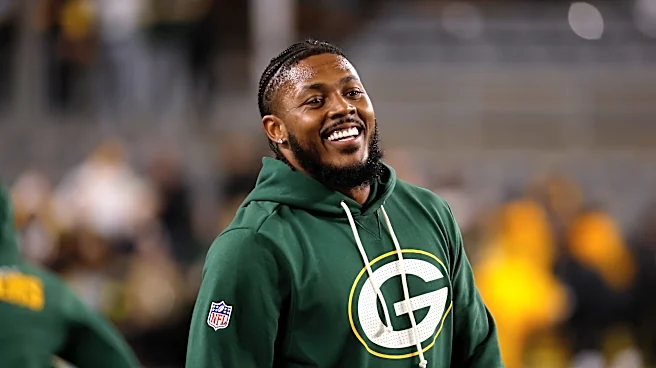
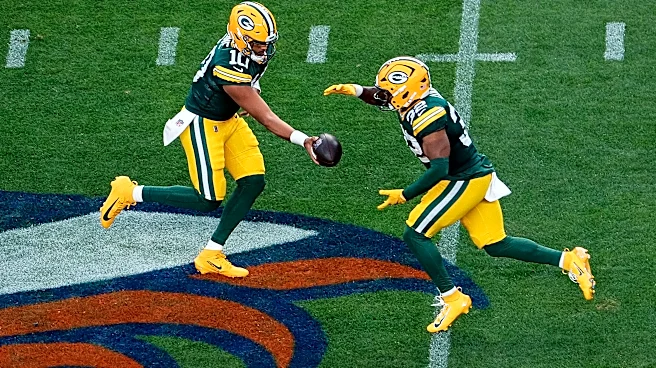
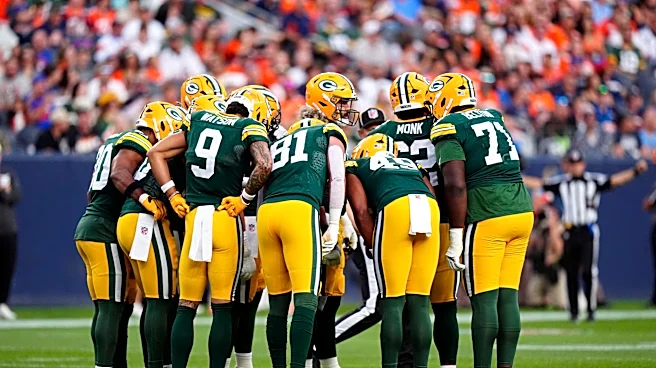
Green Bay Packers running back Josh Jacobs has been placed on the NFL commissioner's exempt list following the filing of two misdemeanor charges against him. This administrative action prevents Jacobs from participating in team practices or games, though
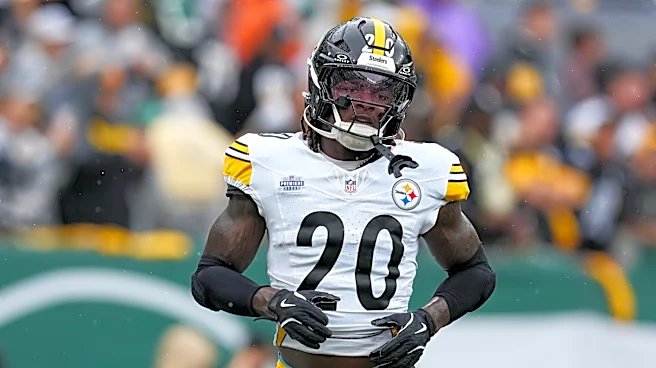
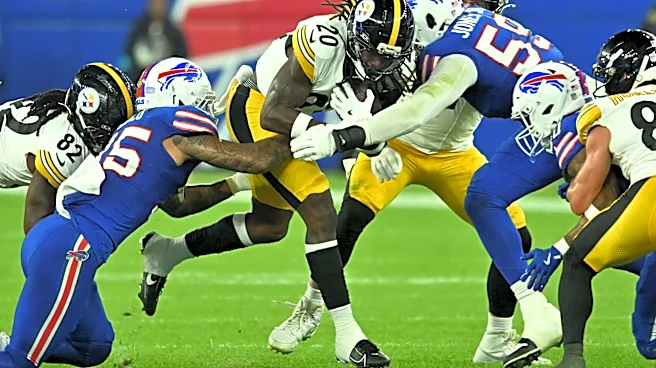
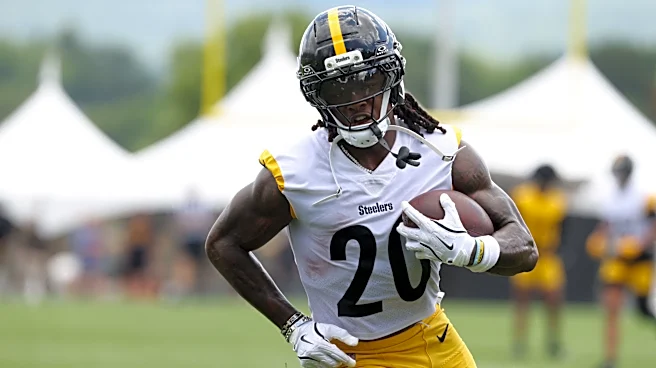
he will continue to receive his salary. The charges, which include battery and criminal damage to property, stem from a physical confrontation with his girlfriend in May. According to police, the incident involved Jacobs allegedly grabbing his girlfriend's arm and later throwing her to the ground, causing her to hit her head. Surveillance footage reportedly corroborates the woman's account. Jacobs' lawyers have stated that being placed on the exempt list is an administrative procedure and not a final determination, emphasizing his respect for the NFL process and his team. The Packers, already facing depth issues at the running back position, have acquired Kaleb Johnson from the Pittsburgh Steelers to address the shortage.
Why It's Important?
The placement of Josh Jacobs on the commissioner's exempt list has significant implications for both the Green Bay Packers and the NFL's stance on player conduct. For the Packers, losing a key player like Jacobs, who has a history of strong performance including a Pro Bowl selection and an NFL-leading rushing season, creates an immediate void in their offensive lineup. This situation highlights the vulnerability of NFL teams to off-field legal issues involving their players, forcing them to make rapid adjustments to their roster and strategy. For the NFL, this decision underscores its commitment to addressing allegations of domestic violence and misconduct through established protocols, even before legal proceedings are concluded. The commissioner's exempt list allows the league to remove players from active participation while investigations or legal cases are ongoing, maintaining a public image of accountability and player responsibility. This incident also brings to light the broader societal issue of domestic disputes and the role of public figures in setting behavioral standards.
What's Next?
Josh Jacobs will remain on the commissioner's exempt list while the misdemeanor charges of battery and criminal damage to property are pending. This means he will not be able to practice or play in games for the Green Bay Packers, impacting the team's preparations for the upcoming season, which begins on September 13 against Minnesota. His lawyers have indicated that Jacobs respects the NFL process and looks forward to his return, suggesting that they will be actively working to resolve the legal matter. The NFL will likely monitor the legal proceedings closely, and the duration of Jacobs' placement on the exempt list will depend on the outcome of these charges and any subsequent league investigation. The Packers will rely on newly acquired Kaleb Johnson, along with MarShawn Lloyd and Chris Brooks, to fill the running back position in Jacobs' absence. Further updates are expected as the legal process unfolds and the NFL determines its next steps regarding Jacobs' status.
Beyond the Headlines
This incident extends beyond the immediate impact on the Green Bay Packers' roster and delves into the complex intersection of professional sports, personal conduct, and legal accountability. The NFL's use of the commissioner's exempt list reflects a broader societal expectation for public figures, particularly athletes, to adhere to certain standards of behavior. The case highlights the challenges faced by sports organizations in balancing player rights with public perception and the integrity of the league. It also brings attention to the issue of domestic violence, emphasizing the importance of due process while also acknowledging the seriousness of such allegations. The surveillance footage mentioned in the criminal complaint could play a crucial role in the legal proceedings, underscoring the increasing prevalence of digital evidence in legal cases. This situation could also spark further discussions within the NFL about player education, support systems, and the league's policies regarding off-field incidents, potentially influencing future collective bargaining agreements or player conduct rules.