






What's Happening?
Purdue University, in collaboration with John Deere, Cummins, and several biofuel producers, has launched the Purdue Biofuels Consortium. This initiative aims to integrate biodiesel and ethanol blends into diesel engines, addressing the reliance on petroleum-based
fuels. The consortium focuses on three primary plant-based fuels: ethanol, biodiesel, and renewable diesel. The project seeks to develop engines capable of using these blends without significant modifications, leveraging the complementary properties of the fuels. The collaboration involves key stakeholders from the engine manufacturing and biofuel production sectors, aiming to create a sustainable and economically viable fuel solution.
Why It's Important?
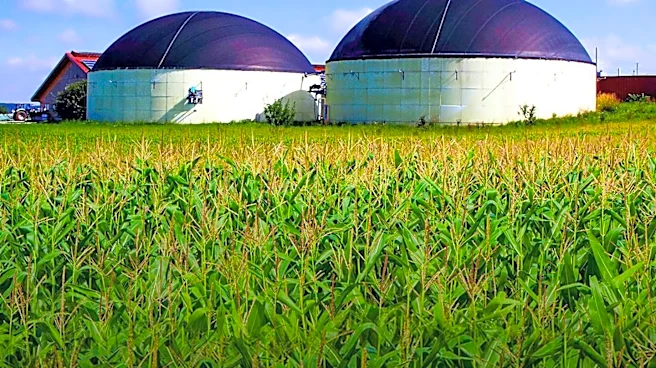
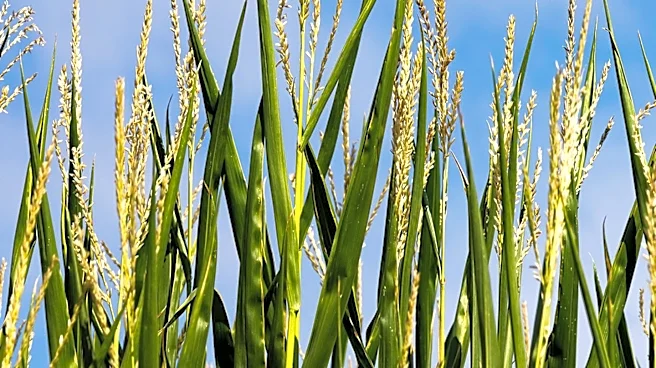
The consortium's work is crucial for advancing sustainable energy solutions in agriculture and beyond. By promoting the use of biofuels, the project supports economic opportunities for farmers, particularly in the Midwest, where a significant portion of corn is used for ethanol production. The initiative also addresses environmental concerns by reducing carbon emissions associated with traditional diesel fuels. Furthermore, enhancing domestic fuel security by reducing reliance on imported petroleum products is a strategic advantage, especially in light of global fuel market volatility. The project's success could set a precedent for broader adoption of biofuels in various sectors.
What's Next?
The consortium will continue its research and development efforts over the next three years, focusing on optimizing the blend of biofuels for diesel engines. The collaboration aims to expand the market for biofuels, encouraging increased production and adoption. As the project progresses, it may influence policy decisions related to renewable energy and agricultural practices. The potential for biofuels to become a mainstream energy source could lead to significant shifts in the energy landscape, with implications for national energy policies and international trade dynamics.