







What's Happening?
Vietjet Aviation Joint Stock Company (HOSE: VJC) announced consolidated revenue of VNĐ74.39 trillion (US$2.88 billion) for the first nine months of 2026, with net profit after tax reaching VNĐ1.72 trillion. These figures represent 86% and 82% of the airline's
full-year targets, respectively. The airline's performance is attributed to contributions from passenger transportation, cargo, ancillary services, and aircraft financing operations. During this period, Vietjet operated 111,700 flights, transporting over 20.7 million passengers and handling more than 58,000 tonnes of cargo. Its network expanded to 223 routes, including 176 international and 47 domestic services. Key international route expansions include Hanoi-Almaty, Hanoi-Prague, Almaty-Prague, and the launch of HCM City-Colombo service, with bookings open for routes connecting HCM City with the Maldives, and Hanoi with Colombo and the Maldives. A new route between HCM City and Western Sydney is scheduled for January 2027.
Why It's Important?
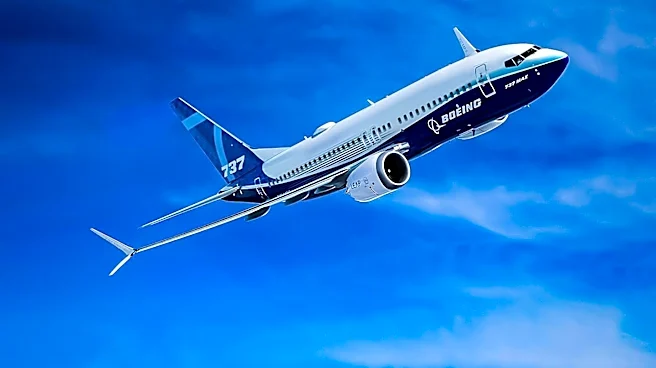
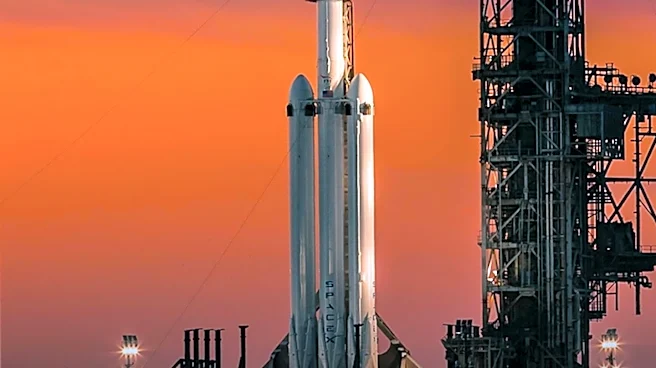
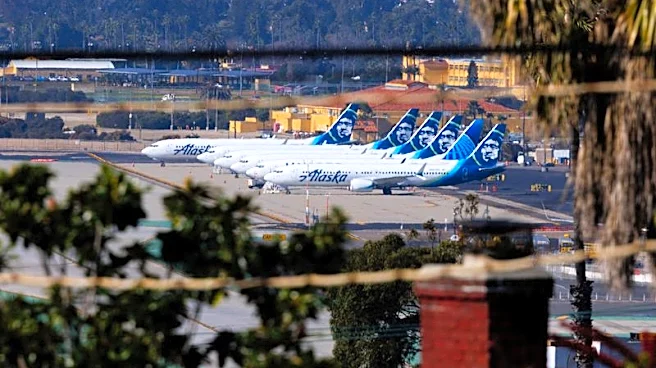
Vietjet's robust financial performance and aggressive international expansion have significant implications for the global aviation industry, including U.S. carriers and aerospace manufacturers. The airline's continued fleet expansion, including the delivery of its 11th Boeing 737-8 aircraft from Seattle, directly benefits U.S. aerospace companies like Boeing. Furthermore, Vietjet's partnerships with U.S. companies such as SpaceX (for Starlink internet service) and CFM International (for LEAP engine maintenance) highlight the growing interdependence between Vietnamese and U.S. businesses in the aviation sector. This expansion also increases connectivity between Southeast Asia, Central Asia, Europe, and Australia, potentially boosting tourism and business travel, which could indirectly benefit U.S. travel agencies, hospitality chains, and related industries through increased global mobility and economic activity.
What's Next?
Vietjet plans to continue taking delivery of aircraft and expanding its routes in line with market demand, particularly ahead of the year-end travel season. The new HCM City-Western Sydney route is set to begin operations in January 2027, further extending its reach. The airline will also continue its investment in technology and aviation infrastructure, including its collaborations with Starlink for onboard internet and Rolls-Royce and CFM International for engine maintenance capabilities. The development of an aircraft maintenance center at Long Thành International Airport is expected to strengthen its technical capabilities. These strategic moves indicate a sustained growth trajectory and a commitment to enhancing operational efficiency and passenger experience.
Beyond the Headlines
Vietjet's success and expansion reflect broader trends in the global aviation market, particularly the rise of low-cost carriers and the increasing demand for air travel in Asia. The airline's strategic partnerships with U.S. technology and aerospace firms underscore the critical role of international collaboration in modern aviation. The integration of high-speed internet through Starlink on flights could set a new standard for in-flight connectivity, influencing passenger expectations across the industry, including for U.S. airlines. Moreover, the focus on developing in-house maintenance capabilities and human resource development through its Victoria Aviation Academy suggests a long-term vision for self-sufficiency and regional leadership in aviation services, potentially creating new competitive dynamics and opportunities for U.S. companies seeking to partner with or invest in the burgeoning Asian aviation sector.