




What's Happening?
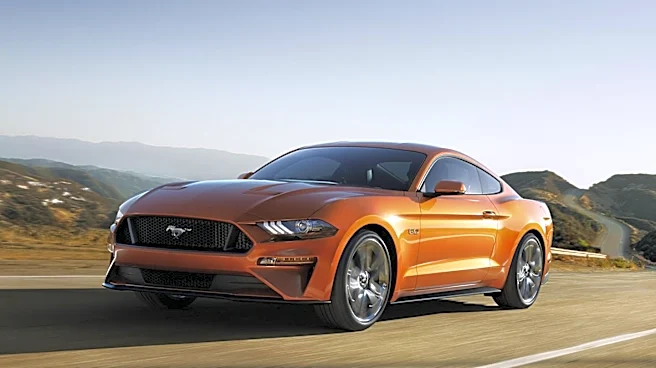
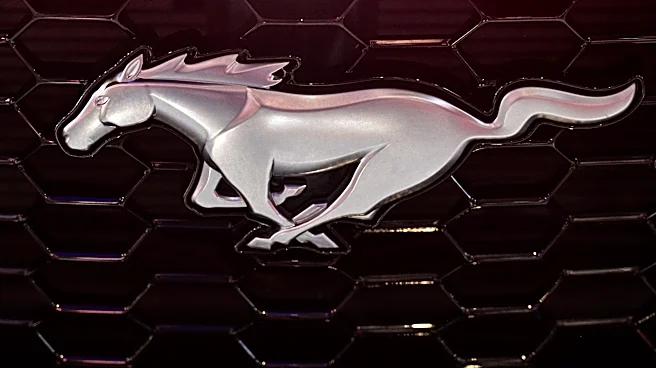
Ford Motor Company has initiated a recall of more than 110,000 vehicles in the United States, following the identification of safety defects by the National Highway Traffic Safety Administration (NHTSA). The recall affects certain models of the Mustang,
Mustang GTD, and Mustang Mach-E. The primary issue involves the windshield wipers, which may only function at high speed in cold weather, potentially impairing visibility and increasing the risk of accidents. Additionally, the Mustang Mach-E models are being recalled due to a defect in the rear differential pinion shaft, which could lead to a loss of drive power or unintended vehicle movement if the parking brake is not applied. Ford has committed to repairing or replacing the affected components at no cost to the vehicle owners.
Why It's Important?
This recall is significant as it underscores ongoing safety challenges within the automotive industry, particularly for Ford, which has faced multiple recalls in recent years. The defects pose a direct risk to driver and passenger safety, potentially leading to accidents. For Ford, this recall could impact consumer trust and brand reputation, especially as the company strives to maintain its market position amidst increasing competition in the electric vehicle sector. The recall also highlights the importance of rigorous safety standards and the role of regulatory bodies like the NHTSA in ensuring vehicle safety. The financial implications for Ford could be substantial, involving costs related to repairs and potential legal liabilities.
What's Next?
Ford will need to manage the recall process efficiently to minimize disruption to its customers and maintain its reputation. The company will likely focus on enhancing its quality control measures to prevent future defects. Additionally, Ford may face scrutiny from investors and stakeholders regarding its safety protocols and the impact of recalls on its financial performance. The automotive industry as a whole may see increased regulatory pressure to ensure higher safety standards, particularly as vehicles become more technologically advanced.