






What's Happening?
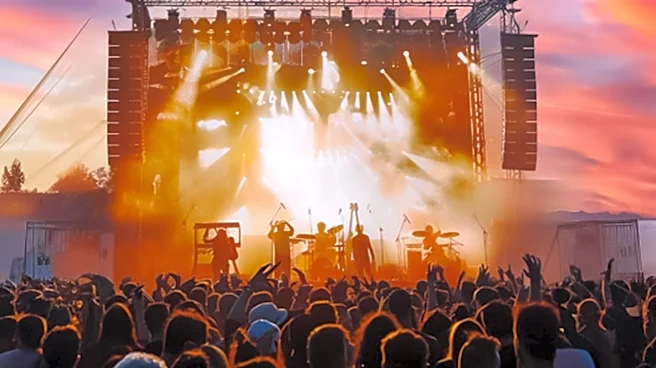
East Lansing has launched the Red Cedar Roots Festival, aiming to revive the city's rich history of folk and traditional music and culture. This new festival is a successor to the beloved Great Lakes Folk Festival, which concluded in 2017. The inaugural
Red Cedar Roots Festival, though starting on a smaller scale with a single stage, featured diverse acts such as The Flint Southernaires, Celestina y Los Sanchez, Kritya Dance Ensemble, and Wilson Thicket. The roots of East Lansing's folk festivals trace back to 1983 when MSU Museum officials sought to participate in the annual Smithsonian Festival of American Folklife. This led to Michigan's involvement in the 1987 Festival of American Folklife, showcasing the state's academic research, culture, and pride. Following this, the Michigan Festival launched, incorporating a free folk life component alongside ticketed music performances. The Great Lakes Folk Festival later emerged, blending music with research and interactive folk demonstrations, and attracting over 80,000 people annually before its cessation.
Why It's Important?
The revival of a folk festival in East Lansing is significant for preserving and promoting traditional arts and culture within the community and beyond. The Great Lakes Folk Festival, its predecessor, was a major cultural event that drew substantial crowds and provided a platform for diverse folk expressions. The Red Cedar Roots Festival, by continuing this legacy, helps maintain a connection to historical traditions and offers a space for both established and emerging folk artists. This initiative also contributes to the local economy by attracting visitors and supporting local businesses, particularly in the post-COVID era when many venues are seeking to recover. The festival's emphasis on 'folk' as encompassing 'of the people, all people' broadens its appeal and ensures a diverse representation of musical and cultural forms, fostering community engagement and cultural understanding.
What's Next?
Organizers of the Red Cedar Roots Festival plan to expand its scope in the coming years. While the inaugural event was funded by East Lansing and lacked official MSU involvement, future iterations aim to grow beyond a single stage and incorporate cultural booths, a marketplace, food vendors, and more dance performances. Micah Ling, who booked the acts for the festival, hopes for a longer timeline in 2027 and increased community excitement to help the festival reach a wider audience. Julie Levy-Weston, the festival coordinator, acknowledges the need for significant funding to sustain and grow the festival. The success of this initial revival will likely determine the level of support and investment for future events, with the goal of creating a vibrant, expanded festival that continues to celebrate and evolve East Lansing's folk traditions.
Beyond the Headlines
The Red Cedar Roots Festival's re-establishment highlights a broader trend of communities seeking to reconnect with and revitalize their cultural heritage, especially in the wake of global disruptions like the COVID-19 pandemic. The festival's evolution from its Smithsonian-inspired origins to the Great Lakes Folk Festival and now the Red Cedar Roots Festival demonstrates the enduring appeal and adaptability of folk traditions. The discussion around the term 'folk' itself, as encompassing 'all people's music,' underscores a contemporary effort to broaden definitions and ensure inclusivity in cultural programming. This initiative also reflects the resilience of local arts scenes and the dedication of individuals and city officials to foster cultural continuity, even when facing challenges such as funding and changing institutional support. The festival serves as a cultural anchor, reinforcing community identity and providing a vital outlet for artistic expression.