



What's Happening?
The KonMari Method, a decluttering and organizing philosophy popularized by Marie Kondo, which gained global fame from 2014 onwards through her books and a 2019 Netflix series, is experiencing a reevaluation. The method, centered on keeping only items
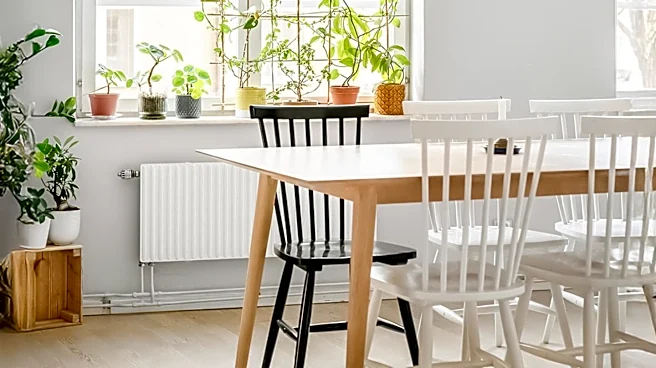
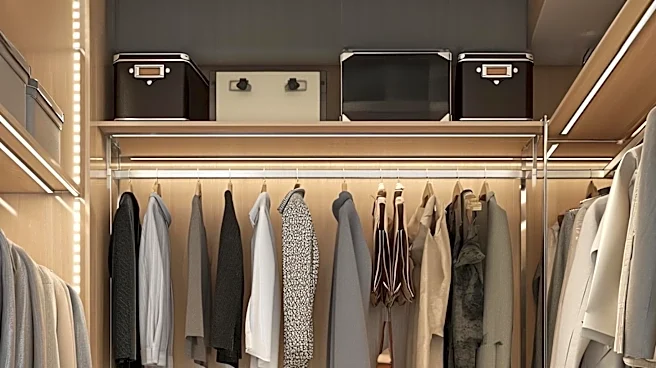
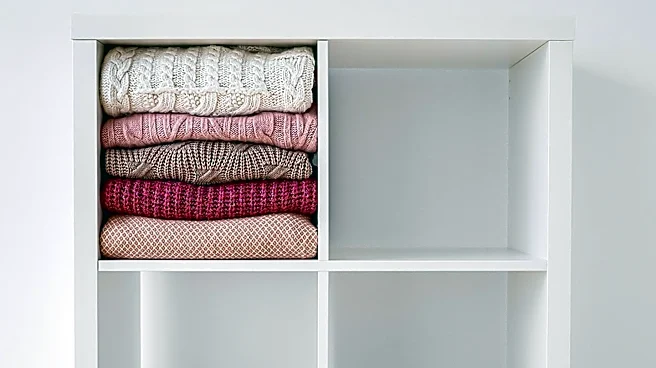
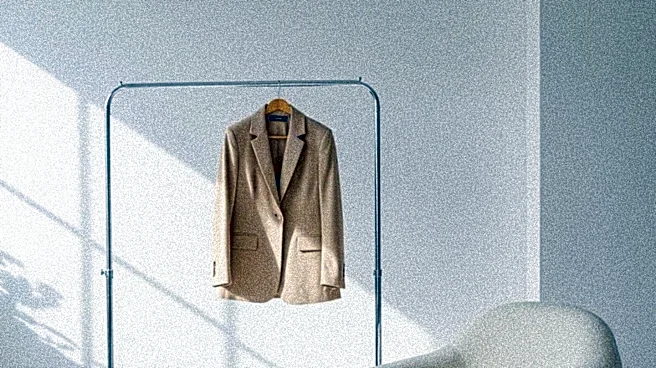
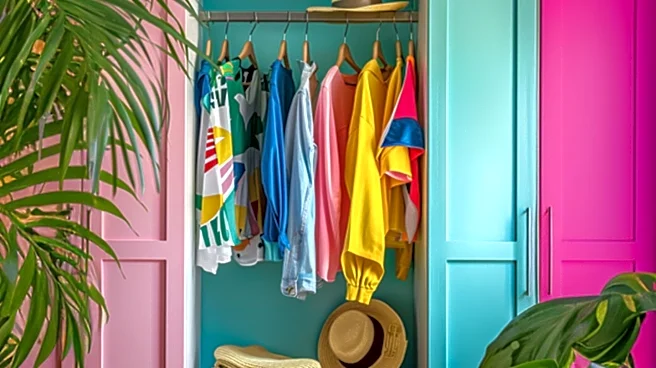
that 'spark joy,' transformed domestic organization into a meditative experience, promoting mindfulness in one's relationship with objects. Kondo's approach led to a highly recognizable aesthetic code characterized by clear surfaces, neutral palettes, and rigorous geometries. However, this pursuit of purity, when taken to an extreme, left little room for the spontaneity of real life. Marie Kondo herself openly acknowledged in a 2023 blog post that she had relaxed the absolute rigor of perfect tidying, particularly after having three children. This shift coincides with a broader cultural movement away from strict minimalism towards more maximalist aesthetics in fashion and interior design, as noted by reports on luxury brands like Gucci.
Why It's Important?
The reevaluation of the KonMari Method signifies a broader cultural shift in consumer behavior and aesthetic preferences within the U.S. and globally. For years, the method influenced how many Americans approached home organization, leading to a boom in decluttering services and minimalist product lines. The move away from strict adherence to 'sparking joy' and towards a more flexible approach, even by Kondo herself, suggests that the rigid discipline of minimalism may not be sustainable for everyone, especially those with evolving life circumstances. This change could impact industries that capitalized on the minimalist trend, such as home goods, storage solutions, and even fashion, potentially leading to a resurgence in demand for more decorative, personalized, and 'maximalist' items. It also highlights the evolving nature of lifestyle trends and the public's willingness to adapt or move on from previously dominant philosophies.
What's Next?
The shift away from strict KonMari principles could lead to a diversification of home organization and interior design trends. We may see a continued rise in 'warm minimalism' or 'eclecticism,' where individuals combine minimalist principles with more personal and decorative elements. This could translate into new product offerings from retailers, focusing on texture, color, and unique pieces rather than purely functional, neutral items. Professional organizers, many of whom are certified in the KonMari Method, may need to adapt their services to cater to clients seeking a less rigid approach to decluttering. The broader cultural conversation around consumption and personal space is likely to continue evolving, with an emphasis on balance and practicality over absolute adherence to any single aesthetic or organizational philosophy.
Beyond the Headlines
The evolution of the KonMari Method and the broader trend towards maximalism reflect deeper societal discussions about consumerism, personal identity, and the pursuit of happiness. The initial appeal of 'sparking joy' resonated with a desire for intentional living and a rejection of excessive materialism. However, the practical challenges of maintaining extreme minimalism, particularly in dynamic family environments, have brought to light the tension between idealized lifestyles and everyday realities. This development underscores the cyclical nature of trends and the human need for both order and personal expression. It also raises questions about the long-term impact of lifestyle gurus and the potential for their methods to become overly prescriptive, ultimately leading to a desire for greater flexibility and individuality.