








What's Happening?
A recent report by Realtor.com reveals the varied landscape of the luxury real estate market in the United States, highlighting that luxury is not defined by a single price point but rather by market-specific percentiles. The report categorizes the luxury market into
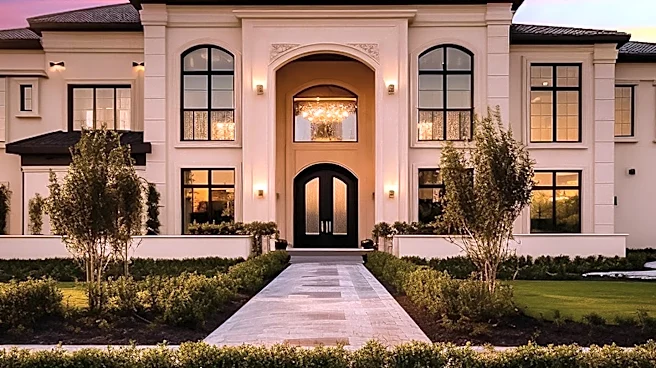
seven distinct levels, ranging from regional hubs where luxury homes start below $1 million to elite ultraluxury markets where prices can exceed $75 million. For instance, in Huntsville, Alabama, luxury homes begin at approximately $759,000, while in Aspen, Colorado, the entry point for luxury is nearly $25 million. The report indicates that the national baseline for luxury homes has increased to $1.28 million, up from $1 million before the pandemic. This shift reflects a broader trend where million-dollar listings now account for 13.8% of all active inventory, compared to 9% pre-pandemic.
Why It's Important?
The findings of the Realtor.com report underscore the evolving nature of the luxury real estate market in the U.S., which has significant implications for buyers, sellers, and investors. As the definition of luxury varies widely across different regions, potential buyers must consider local market conditions and what constitutes luxury in those areas. This variability can influence investment strategies, as markets with lower entry points for luxury may offer more growth potential. Additionally, the increase in the national baseline for luxury homes suggests a broader economic trend of rising property values, which could impact affordability and accessibility for potential buyers. For sellers and real estate professionals, understanding these market dynamics is crucial for effectively marketing properties and meeting buyer expectations.
What's Next?
As the luxury real estate market continues to evolve, stakeholders can expect further segmentation and specialization within the market. Real estate professionals may need to tailor their strategies to cater to the unique characteristics of each market level, from regional hubs to elite ultraluxury enclaves. Additionally, economic factors such as interest rates, inflation, and regional economic growth will likely influence future trends in the luxury market. Buyers and investors should remain vigilant about these factors and consider long-term implications when making purchasing decisions. The report's insights could also prompt policymakers to address housing affordability and accessibility, particularly in markets where luxury homes dominate the landscape.