
What's Happening?
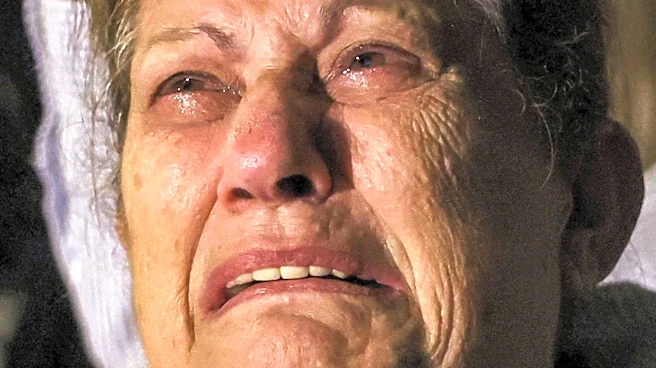
In her advice column, 'Dear Annie' responded to two readers grappling with family issues. One reader, 'Grieving in Second Place,' expressed frustration over a sister who has turned grief into a competition following the death of their sibling, Joanie.
The sister is described as exaggerating her sadness and monopolizing attention, making the grieving process harder for the other sibling. Annie Lane advised the reader to grieve at their own pace and not engage in the competition, emphasizing that everyone processes loss differently. The second reader, 'Betrayed,' shared distress over her sister selling sentimental jewelry inherited from their deceased mother. The jewelry, specifically a set of silver bangles, held significant emotional value for 'Betrayed,' who would have cherished them and even offered to buy them. Annie Lane validated the reader's hurt and suggested directly communicating with the sister and inquiring if the antique shop still has the bangles, while also reminding the reader that the true legacy of their mother is not material possessions.
Why It's Important?
These scenarios highlight common yet often unspoken challenges within families dealing with loss and inheritance. The 'grief competition' described by 'Grieving in Second Place' underscores the psychological complexities of bereavement, where individual coping mechanisms can sometimes manifest in ways that are insensitive or hurtful to others. This can strain family relationships during an already vulnerable time. The issue of sentimental jewelry, as presented by 'Betrayed,' illustrates the profound emotional attachment individuals can have to inherited items, which often represent a tangible link to a loved one. The sale of such items without consultation can lead to feelings of betrayal and deep hurt, impacting sibling bonds and potentially creating lasting resentment. Both situations emphasize the importance of open communication, empathy, and respect for individual grieving processes and emotional attachments within families, especially after a significant loss.
What's Next?
For 'Grieving in Second Place,' the advice suggests a path of self-preservation and focusing on her own grief journey, rather than engaging with her sister's competitive behavior. This may involve setting boundaries or having a direct conversation about the impact of her sister's actions, though the column doesn't explicitly recommend this. For 'Betrayed,' the immediate next step is to communicate her feelings to her sister and inquire about the possibility of retrieving the bangles from the antique shop. This direct approach could either lead to reconciliation and understanding or further highlight the differences in their values regarding inherited items. Regardless of the outcome with the jewelry, both situations point to ongoing family dynamics that will require careful navigation and potentially further communication to maintain healthy relationships in the long term.
Beyond the Headlines
These personal anecdotes delve into the deeper psychological and sociological aspects of family relationships, particularly in the context of loss. The 'grief competition' can be seen as a manifestation of unresolved sibling rivalries or individual struggles with processing intense emotions, where one person's need for validation or attention overshadows the needs of others. This raises questions about emotional maturity and the varying ways individuals seek comfort and acknowledgment during times of sorrow. The issue of inherited sentimental items goes beyond mere monetary value; it touches upon themes of legacy, memory, and the symbolic representation of family history. The casual disposal of such items by one sibling can be perceived as a disregard for shared heritage and the emotional significance they hold for others, leading to profound feelings of disrespect and alienation. These situations underscore the importance of clear communication and mutual understanding within families regarding expectations and emotional attachments to both tangible and intangible aspects of a shared past.