




What's Happening?
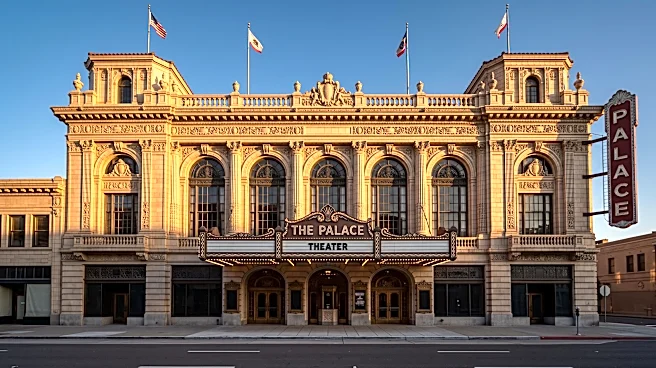
The Los Angeles Conservancy is offering walking tours of Broadway, highlighting its historic theater and commercial district. This area was the original hub for movie premieres in Los Angeles and still features the largest collection of intact historic movie palaces
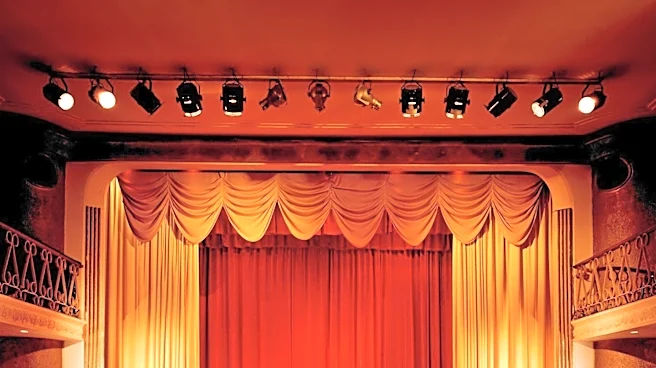
in the country. The tours delve into the street's history and showcase how these historic venues have been repurposed, such as the former Tower Theatre now serving as an Apple store. Participants will learn about the architectural significance and cultural impact of these buildings on downtown Los Angeles. Access to specific theaters like the Million Dollar or Orpheum Theatres is subject to availability and cannot be guaranteed in advance. The tours are recommended for preservation advocates, music and performance enthusiasts, and photographers interested in stunning interiors and ornate facades.
Why It's Important?
These walking tours are important for preserving and promoting the rich cultural heritage of Los Angeles. By highlighting the historic Broadway theater district, the Los Angeles Conservancy helps to educate the public about the city's architectural past and its evolution. The repurposing of historic buildings, like the Tower Theatre into an Apple store, demonstrates innovative approaches to urban revitalization that maintain historical integrity while adapting to modern needs. This initiative supports cultural tourism and fosters a deeper appreciation for the city's landmarks, which can contribute to local economic development and community pride. The tours also offer a unique perspective on how historical spaces can find new life, influencing future urban planning and preservation efforts in other U.S. cities.
What's Next?
The Los Angeles Conservancy will continue to offer these walking tours, with additional dates for other tours such as the Art Deco and Historic Downtown tours. The organization also encourages public involvement through membership, donations, and volunteering to support its mission of preserving historic places in Los Angeles. Future efforts may include expanding the scope of tours or developing new educational programs to engage a broader audience. The ongoing success of these tours could inspire similar initiatives in other cities looking to leverage their historical assets for cultural and economic benefit. The focus on adapting historic buildings for contemporary use may also influence future urban development projects, promoting sustainable preservation practices.
Beyond the Headlines
Beyond the immediate appeal of historical exploration, these tours underscore a broader societal trend towards valuing and integrating historical architecture into modern urban landscapes. The transformation of old movie palaces into new commercial or cultural spaces reflects a dynamic interplay between preservation and progress. This approach not only saves significant structures from demolition but also injects new life into urban centers, creating unique experiences that blend past and present. The tours also subtly address themes of urban identity and community connection, as these historic places serve as touchstones for generations of Angelenos. This model of adaptive reuse can serve as a blueprint for other cities grappling with how to honor their past while building for the future, fostering a sense of continuity and shared heritage.