






What's Happening?
A minimalist approach to baby registries is gaining traction, emphasizing the selection of truly necessary items over an exhaustive list of products. This strategy aims to reduce clutter, minimize expenses, and ensure that baby supplies align with daily
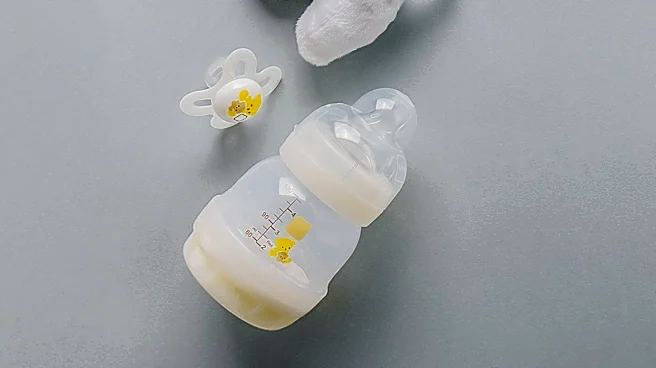
routines and available household space. Key principles include prioritizing items used regularly in the first 3-6 months, eliminating duplicate or single-purpose gear, and delaying purchases until a clear need arises. The focus is on multi-functional products that offer flexibility and comfort, rather than accumulating numerous similar tools. For instance, instead of multiple feeding systems, a minimalist registry might suggest one versatile warming system or a single bottle washer. This method encourages parents to consider whether an item solves a daily or weekly problem, is compact and easy to store, or can be borrowed or bought secondhand, thereby avoiding unnecessary acquisitions.
Why It's Important?
This shift towards minimalist baby registries has significant implications for new parents, offering a practical solution to the overwhelming consumer culture often associated with preparing for a newborn. By focusing on essentials, parents can alleviate financial strain, as they spend less on redundant or rarely used items. Furthermore, reducing the sheer volume of baby gear can lead to a less cluttered home environment, which can decrease stress and improve adaptability as the baby grows. This approach also encourages more thoughtful consumption, prompting parents to evaluate the true utility and longevity of products. It challenges the traditional notion that more items equate to better preparedness, instead advocating for intentional choices that support realistic routines and individual family needs, ultimately fostering a more sustainable and less overwhelming start to parenthood.
What's Next?
The trend towards minimalist baby registries is likely to continue influencing how parents prepare for new arrivals, with a growing emphasis on practical, multi-functional, and space-saving solutions. Manufacturers and retailers may adapt by offering more versatile products and curated essential bundles that cater to this demand. Expect to see more resources and guides promoting conscious consumption and decluttering for new families. This approach could also lead to an increase in the secondhand market for baby items, as parents prioritize borrowing or purchasing pre-owned gear. Ultimately, the focus will remain on empowering parents to make informed decisions that align with their lifestyle, budget, and living space, rather than succumbing to the pressure of acquiring every available baby product.
Beyond the Headlines
Beyond the immediate benefits of reduced clutter and cost savings, the minimalist baby registry trend reflects a broader cultural shift towards intentional living and sustainability. It challenges the consumerist mindset that often dictates parental preparations, encouraging a more mindful approach to resource allocation. This movement can foster a greater appreciation for simplicity and functionality, potentially influencing other areas of family life. Ethically, it promotes responsible consumption and reduces waste, aligning with environmental consciousness. Psychologically, a less cluttered environment can contribute to reduced parental stress and a greater sense of control, allowing new parents to focus more on their baby's well-being rather than managing an excess of possessions. This philosophy could also encourage a re-evaluation of societal expectations surrounding parenthood, promoting a more grounded and less materialistic start to family life.