







What's Happening?
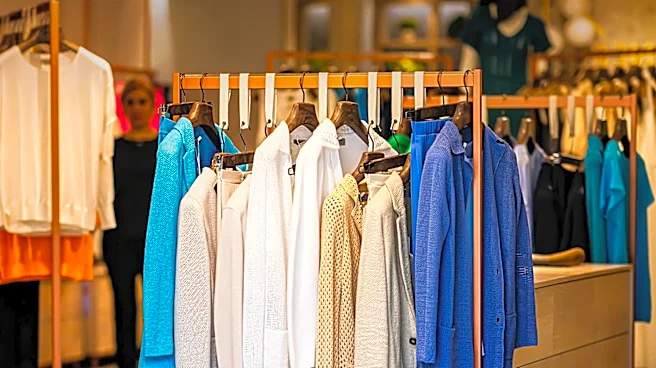
The Asia Pacific second-hand goods market is experiencing significant growth, driven by a large digital consumer base in China and the widespread adoption of online resale platforms. This growth is particularly evident in the apparel and footwear sectors,
which dominate the market due to high purchase frequency and the increasing popularity of circular fashion. Luxury goods are emerging as the fastest-growing segment, fueled by younger demographics and brand-endorsed resale programs in China and South Korea. Circular economy frameworks endorsed by ASEAN member states are creating favorable policy environments for resale platforms, positioning second-hand goods adoption as a mainstream behavioral shift across the region.
Why It's Important?
The expansion of the second-hand goods market in Asia Pacific reflects a broader shift towards sustainable consumption patterns, which could have significant implications for global environmental efforts. As consumers increasingly prioritize sustainability, the demand for pre-owned goods is expected to rise, potentially reducing the environmental impact of new product manufacturing. This trend also presents economic opportunities for digital platforms facilitating resale transactions, as well as challenges related to consumer trust and regulatory compliance. The growth of this market could influence global fashion and retail industries, encouraging more brands to adopt circular economy practices.
What's Next?
The continued growth of the second-hand goods market in Asia Pacific is likely to drive further innovation in digital resale platforms, particularly in areas such as AI-powered authentication and dynamic pricing. As more consumers embrace circular fashion, brands may increasingly integrate resale capabilities into their business models. Regulatory frameworks across the region will need to adapt to support this evolving market, potentially leading to more standardized policies that facilitate cross-border transactions. The success of this market could also inspire similar shifts in other regions, promoting global adoption of sustainable consumption practices.
Beyond the Headlines
The rise of the second-hand goods market in Asia Pacific highlights the cultural and economic shifts towards sustainability and resource efficiency. This movement is not only reshaping consumer behavior but also challenging traditional retail models. The integration of AI and machine learning in resale platforms is reducing information asymmetry and enhancing consumer confidence, which could lead to broader acceptance of second-hand goods. As the market matures, it may also drive innovation in product design and manufacturing, encouraging companies to create more durable and recyclable products.