
What's Happening?
Italy is being highlighted as a premier holiday destination, offering a rich tapestry of outdoor activities and cultural experiences. The country's appeal spans from its picturesque beaches and renowned
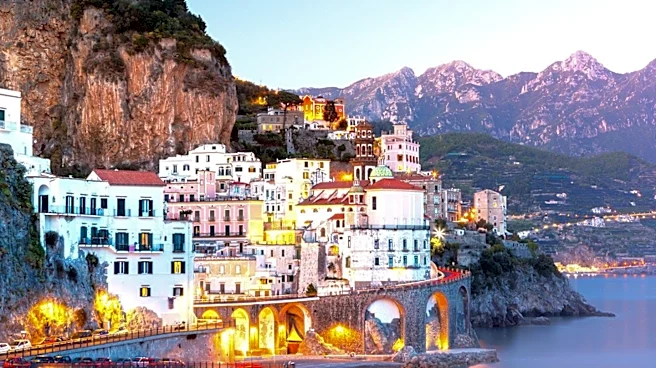
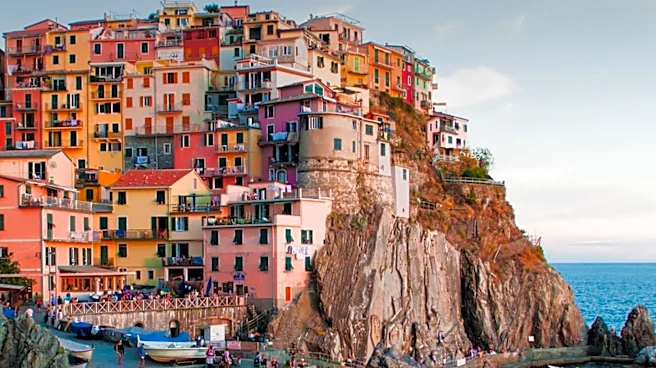
culinary scene to its significant Renaissance art heritage. Travelers can explore diverse regions, including the rolling hills of Tuscany, the vibrant streets of Rome, the dramatic Amalfi Coast, and the serene Lake Como. The emphasis is on creating personalized itineraries that allow visitors to immerse themselves in the local culture and enjoy a balanced travel experience, rather than rushing through a checklist of famous sites. This approach encourages travelers to savor moments, such as extended lunches or unplanned visits to charming towns, which often become the most memorable parts of their trips. The country also provides essential services for visitors, including numerous dialysis clinics, ensuring accessibility for all travelers.
Why It's Important?
The focus on personalized and immersive travel experiences in Italy reflects a broader trend in the tourism industry, where travelers increasingly seek authentic and meaningful engagements over superficial sightseeing. This approach benefits local economies by encouraging deeper exploration of regions, supporting local businesses, and promoting sustainable tourism practices. For the U.S. tourism market, this trend suggests a demand for travel agencies and tour operators that can curate bespoke Italian adventures, moving beyond standard package tours. It also highlights the importance of catering to diverse traveler needs, such as health services, to broaden the appeal of international destinations. The emphasis on 'slow travel' and cultural immersion can lead to higher visitor satisfaction and repeat visits, fostering a more robust and resilient tourism sector.
What's Next?
The continued promotion of Italy as a destination for tailored and culturally rich experiences will likely lead to an increase in demand for specialized travel planning services. Tour operators and travel agencies may further develop niche itineraries focusing on specific interests, such as culinary tours, art workshops, or regional explorations. There could also be a greater emphasis on promoting off-the-beaten-path locations to distribute tourism more evenly and reduce overcrowding in popular areas. Furthermore, the integration of health-related services, like accessible dialysis clinics, could become a more prominent feature in destination marketing, appealing to a wider demographic of travelers. Expect to see more collaborations between local Italian experts and international travel providers to offer unique and authentic experiences.
Beyond the Headlines
This shift towards personalized and immersive travel in Italy underscores a deeper cultural value placed on experience over consumption. It challenges the conventional tourist mindset of simply 'seeing' landmarks and instead encourages 'living' the destination. This approach can foster a greater appreciation for local traditions, arts, and daily life, potentially leading to more respectful and responsible tourism. Ethically, it promotes a more equitable distribution of tourism benefits, as visitors are encouraged to engage with smaller communities and local artisans. Long-term, this could contribute to the preservation of Italy's cultural heritage and natural landscapes, as both locals and visitors become more invested in maintaining the authenticity and charm of these destinations. It also highlights the evolving role of travel in personal growth and enrichment.