






What's Happening?
The RealReal, an online luxury consignment marketplace, is under examination regarding its consignment commission structure and the time it takes for consignors to receive payment. While The RealReal facilitates the sale of pre-owned designer goods, including
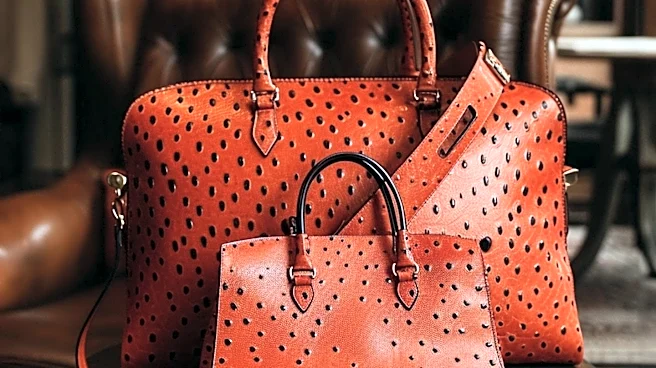
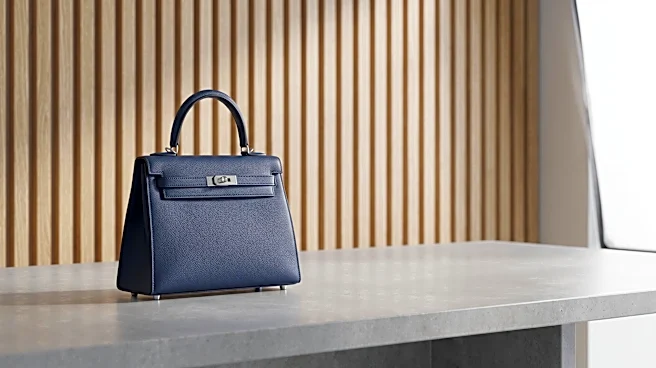
handbags, it retains a significant portion of the sale price. For instance, on a $1,200 handbag, a standard consignor might see a 40% commission deducted, amounting to $480. This leaves the consignor with $720, assuming the item sells at the asking price. Furthermore, consignors face a waiting period of 30 to 90 days for their items to sell, ship, and for the payment to clear. The company, founded in 2011, emphasizes its authentication process, combining human expertise and technology, and promotes sustainability by extending the lifecycle of luxury items. However, the financial implications and timelines for sellers are becoming a point of comparison with alternative selling methods.
Why It's Important?
This scrutiny is important for consumers in the U.S. luxury resale market, particularly those looking to sell high-value items like designer handbags. The commission rates and extended payment timelines directly impact the net return for consignors, potentially influencing their choice of platform. While The RealReal offers a broad marketplace and authentication services, the financial structure means sellers receive a lower immediate payout compared to direct cash offers from other buyers. This could shift seller preferences towards options that provide quicker, more transparent payments, even if the initial offer is slightly lower than the potential gross sale price on consignment. The transparency of fees and the speed of transactions are critical factors for individuals seeking to liquidate luxury assets, and The RealReal's model presents a trade-off between market reach and immediate financial gratification.
What's Next?
Consignors will likely continue to evaluate the trade-offs between using platforms like The RealReal and alternative selling methods that offer immediate cash. The comparison highlights a growing demand for transparency in the luxury resale market regarding fees and payment schedules. The RealReal may face pressure to clarify its commission structure and potentially streamline its payment process to remain competitive. Sellers of luxury items, such as Louis Vuitton, Chanel, and Hermès handbags, will increasingly weigh the convenience and authentication services of consignment against the financial benefits of quicker, albeit potentially lower, direct cash offers. This could lead to a more diversified approach by sellers, utilizing different channels based on their priorities for speed of payment versus maximizing sale price.
Beyond the Headlines
The discussion around The RealReal's consignment model touches upon broader themes within the circular economy and consumer behavior in the luxury market. While the platform champions sustainability by extending the life of luxury goods, the financial mechanics for individual sellers reveal a tension between ethical consumption and personal economic incentives. The 'hidden' fees and prolonged waiting periods can detract from the perceived value of participating in the circular economy for some sellers. This situation underscores the need for greater transparency and potentially more flexible models in the resale market to truly align the interests of platforms, buyers, and sellers. It also highlights how the convenience and perceived security of a large platform might come at a significant financial cost to the individual consignor, prompting a re-evaluation of what constitutes a 'fair' transaction in the luxury resale space.