


What's Happening?
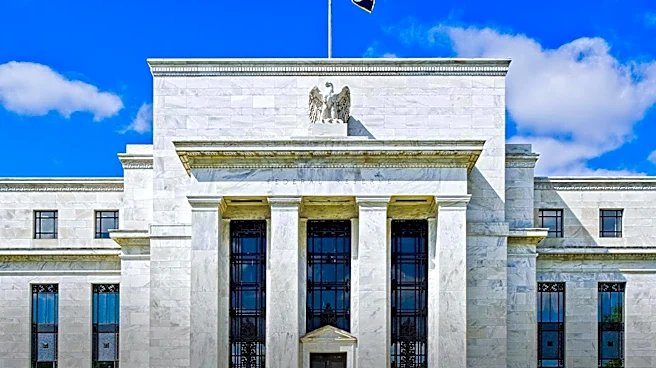
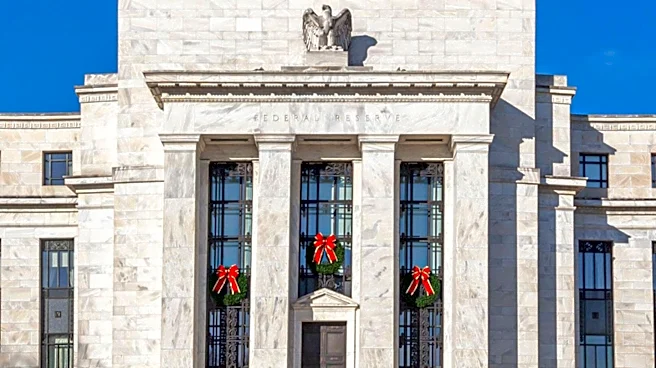
U.S. banks are increasingly tightening their lending standards, particularly for riskier borrowers, according to the Federal Reserve's latest Senior Loan Officer Opinion Survey on Bank Lending Practices for October. The survey, which gathered responses
from 61 domestic banks and 18 U.S. branches of foreign lenders, revealed an uneven credit environment in the third quarter. Small businesses, households with higher risk profiles, and the commercial property sector are facing a more restrictive lending landscape. While commercial and industrial lending to large and middle-market firms remained largely unchanged, banks reported tightening standards for smaller businesses, citing a less favorable or more uncertain economic outlook and worsening industry-specific problems. In the household sector, mortgage standards were broadly unchanged, but there was some easing for jumbo mortgages alongside tighter rules for subprime loans. Banks also reported being more likely to approve credit card applications for super-prime and prime borrowers, and less likely for subprime borrowers, with small banks driving this trend.
Why It's Important?
The tightening of lending standards by U.S. banks signals growing concerns within the financial sector about the overall health of the economy. This cautious approach can have significant implications for economic growth, as reduced access to credit can hinder business expansion, consumer spending, and real estate development. Small businesses, often considered the backbone of the U.S. economy, may find it harder to secure loans for operations and investment, potentially leading to slower job creation and economic activity. Similarly, tighter credit for subprime borrowers could exacerbate financial challenges for vulnerable households. The commercial real estate sector, already facing pressure, could see further declines in investment and development due to stricter lending. This trend suggests that banks are prioritizing risk management in anticipation of potential economic headwinds, which could lead to a more conservative financial environment for businesses and consumers alike.
What's Next?
The Federal Reserve's findings suggest that the U.S. economy may experience a period of reduced credit availability, particularly for segments deemed higher risk. Businesses and individuals seeking loans may face more stringent requirements, higher interest rates, or outright rejections. This could lead to a slowdown in certain economic activities, such as new business ventures, home purchases by subprime borrowers, and commercial property development. Policymakers and regulators will likely monitor these trends closely to assess their impact on economic stability. The Federal Reserve may consider these lending conditions when making future monetary policy decisions. Banks, in turn, will continue to adjust their lending strategies based on economic forecasts and risk assessments, potentially leading to a prolonged period of cautious lending until economic uncertainties subside.
Beyond the Headlines
The tightening of lending standards reflects a broader sentiment of caution and risk aversion within the U.S. financial system. This move could be a preemptive measure by banks to safeguard against potential defaults in an uncertain economic climate, drawing lessons from past financial crises where lax lending contributed to systemic instability. The differential treatment of borrowers—easing for jumbo mortgages while tightening for subprime—highlights a growing stratification in credit access, potentially widening economic disparities. This trend also underscores the interconnectedness of various economic sectors, where challenges in one area, like commercial real estate, can trigger a ripple effect across the entire lending landscape. The long-term implications could include a more resilient but potentially less dynamic economy, as access to capital becomes more selective.