





What's Happening?
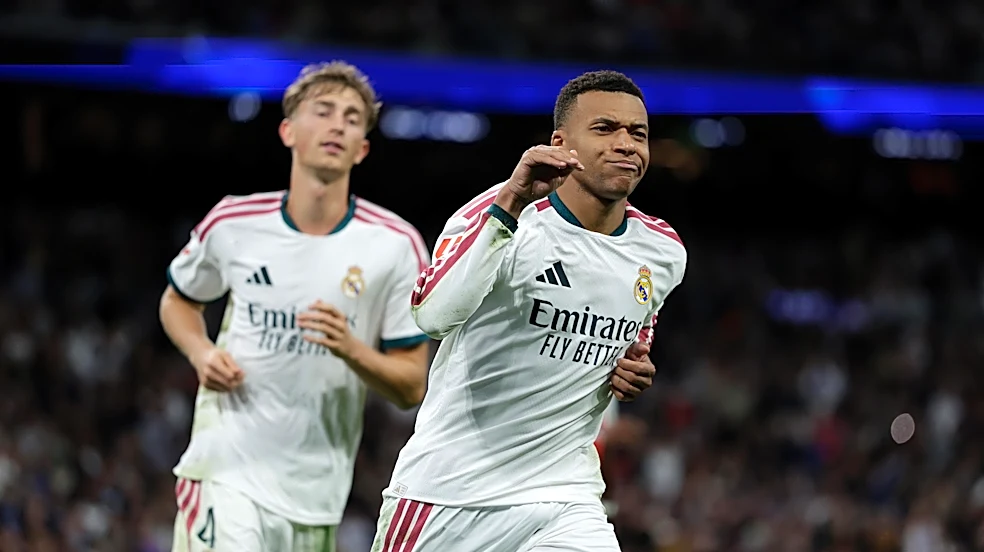
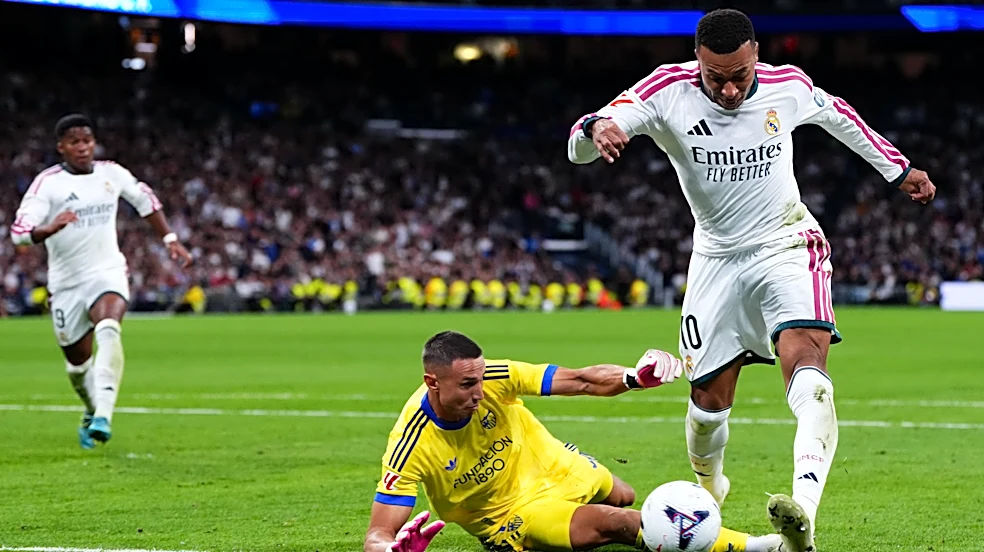
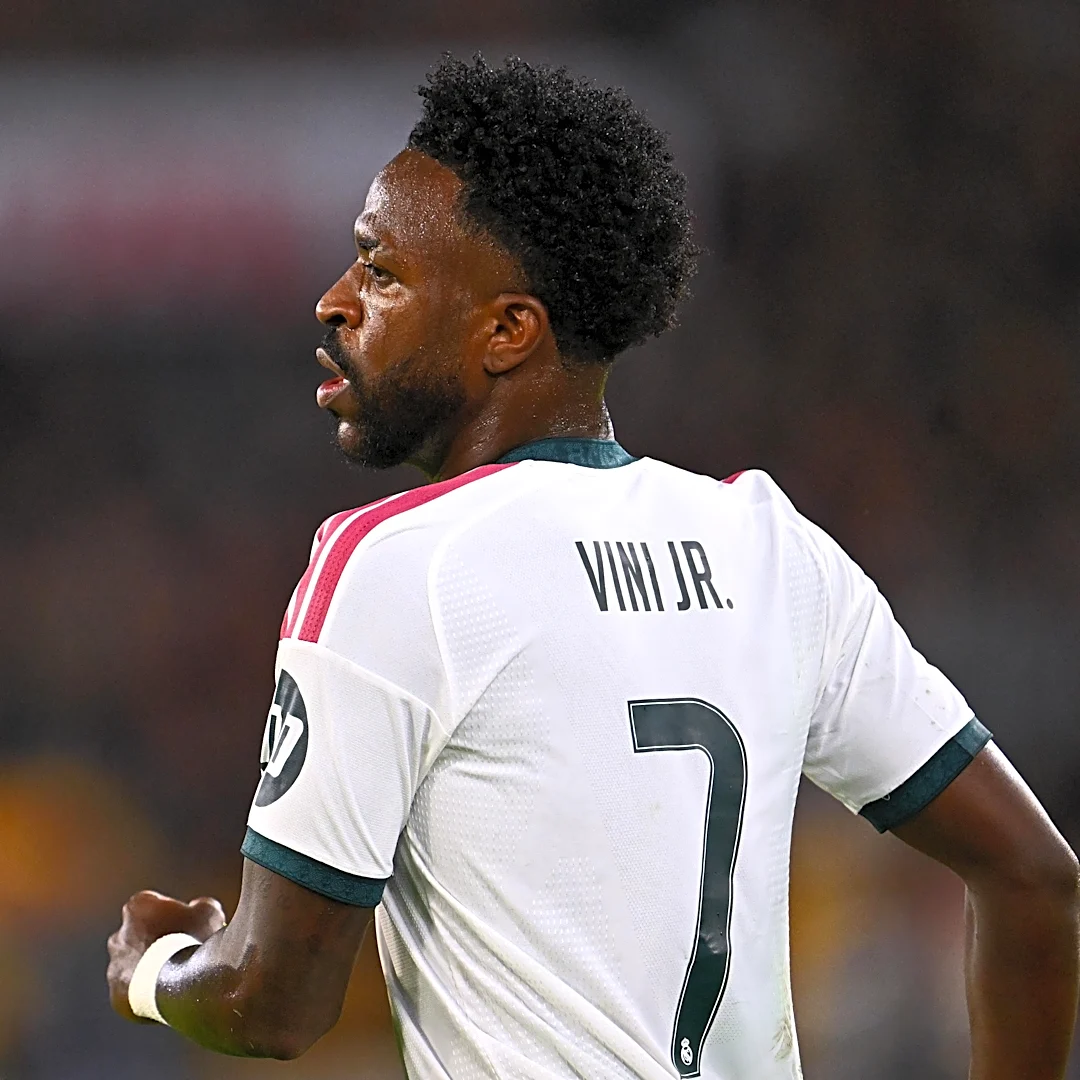
Real Madrid is pursuing €80 million in compensation from six Premier League clubs for their share of the initial costs of the now-defunct European Super League (ESL) project. According to The Athletic, the Spanish club believes Arsenal, Chelsea, Liverpool,
Manchester City, Manchester United, and Tottenham Hotspur are still liable for these setup costs, despite withdrawing from the project shortly after its ill-fated launch in April 2021. Real Madrid, along with Barcelona and Juventus, has reportedly shouldered the promotional expenses associated with the breakaway league. The dispute centers on the interpretation of a shareholders' agreement for the European Super League Company, a Spain-based holding entity, and whether its wording implies ongoing financial obligations for clubs that pulled out. Leaked ESL documents reportedly do not explicitly detail cost-sharing arrangements, suggesting that a swift resolution is unlikely without potential court intervention. This financial claim emerges as Real Madrid prepares to appoint Bernd Reichart, former CEO of A22 (the company behind the Super League plans), as its new head of business operations.
Why It's Important?
This development highlights the lingering financial repercussions and legal complexities stemming from the failed European Super League initiative. For the six Premier League clubs involved, a potential €80 million liability could represent a significant, unexpected financial burden, impacting their operational budgets, transfer market strategies, or overall financial health. The dispute also underscores the contractual intricacies and potential legal battles that can arise from large-scale, multi-club ventures in professional sports. A protracted legal fight could set a precedent for how financial obligations are handled in similar collaborative projects within the sports industry, particularly when agreements are terminated prematurely. Furthermore, it reveals Real Madrid's determination to recoup perceived losses, even as the club has reportedly mended its relationship with UEFA, the governing body that opposed the Super League. The outcome could influence future collaborations and risk assessments for clubs considering participation in new footballing structures.
What's Next?
The immediate next step for Real Madrid, if they are serious about recovering the funds, will likely involve formal legal proceedings against the six Premier League clubs. Given that leaked ESL documents reportedly lack explicit cost-sharing details, a resolution through direct negotiation appears improbable, pushing the matter towards court intervention. The legal process could be lengthy and complex, as it would involve interpreting the original shareholders' agreement and determining the extent of financial liability for clubs that withdrew. The Premier League clubs are expected to contest these claims, arguing that their withdrawal absolves them of further financial responsibility. The appointment of Bernd Reichart, a key figure in the Super League's development, to Real Madrid's business operations could signal a more aggressive stance in pursuing these claims, leveraging his intimate knowledge of the project's financial structure. The football world will be watching closely, as the legal outcome could influence future governance and financial models in European club football.
Beyond the Headlines
Beyond the immediate financial dispute, this situation exposes deeper questions about accountability, contractual obligations, and the power dynamics within elite European football. The Super League saga was a seismic event that challenged UEFA's authority and the traditional structure of football. Real Madrid's pursuit of these funds, years after the project's collapse, suggests a lingering sense of financial injustice or a strategic move to recoup investments made in a venture that promised significant financial returns. It also highlights the potential for long-term legal entanglements when ambitious, high-stakes projects fail. Ethically, it raises questions about the responsibility of clubs to honor commitments made in pursuit of a potentially lucrative, albeit controversial, breakaway league. The legal interpretation of the 'jointly own and manage' clause in the original agreement could have far-reaching implications for how partnerships and joint ventures are structured and dissolved in sports and other industries, emphasizing the critical importance of clear contractual language regarding financial liabilities in the event of project termination.