








What's Happening?
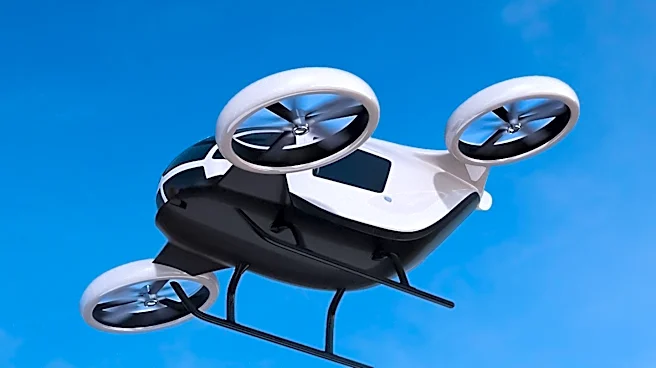
Eve Air Mobility and FlyBIS Aviation Limited have announced a binding agreement for the delivery of up to 12 electric Vertical Take-Off and Landing (eVTOL) aircraft. This agreement includes two firm orders and purchase rights for an additional ten units.
The collaboration, which builds on a Letter of Intent from 2022, aims to establish electric air mobility operations in Southern Brazil. FlyBIS plans to deploy Eve’s eVTOLs to connect destinations in Santa Catarina and Rio Grande do Sul, including cities like Navegantes, Balneário Camboriú, Florianópolis, Gramado, and Bento Gonçalves. This development signifies a progression from early market exploration to concrete fleet commitments for Eve. The company is actively advancing its eVTOL development, with its full-scale engineering prototype having completed over 70 flights, including hover and low-speed phases, and is now expanding its flight envelope through transition-flight testing. Brazil is considered a prime market for urban air mobility due to strong passenger demand and a maturing ecosystem, positioning it to be among the first regions to scale commercially after certification.
Why It's Important?
This agreement is significant as it marks a tangible step towards the commercialization of eVTOL technology in a key international market. For Eve Air Mobility, securing firm orders and purchase rights demonstrates growing customer confidence and validates its integrated approach, which combines aircraft with services and operational support. The deployment of eVTOLs in Southern Brazil could transform regional connectivity, offering more efficient travel options for tourism and business activities in areas where traditional infrastructure has not kept pace with growth. This move also highlights Brazil's potential as a leading market for urban air mobility, supported by government and certification authorities. The success of such deployments could serve as a model for other regions globally, accelerating the adoption and integration of eVTOLs into broader transportation networks. The focus on network planning, operational readiness, and infrastructure development underscores the comprehensive effort required to bring this new form of air travel to fruition.
What's Next?
Eve and FlyBIS will continue their collaboration on the necessary requirements to support the entry into service of the eVTOLs. This includes detailed network planning, ensuring operational readiness, developing essential infrastructure, and integrating eVTOL services into the existing transportation ecosystem. Eve will also proceed with expanding the flight envelope of its full-scale engineering prototype, moving towards wing-borne flight. In Brazil, discussions initiated by the Ministry of Ports and Airports in September 2026, involving aviation authorities, government representatives, and Eve, will continue to address critical aspects such as certification, vertiport infrastructure, energy supply, operational safety, telecommunications, and airspace integration. These ongoing efforts are crucial for preparing the region for safe, efficient, and sustainable eVTOL operations, with commercial scaling expected to follow certification.
Beyond the Headlines
The binding agreement between Eve Air Mobility and FlyBIS signals a broader shift in how regional transportation might evolve, particularly in areas with high tourism and business activity but limited ground infrastructure. The introduction of eVTOLs could alleviate congestion, reduce travel times, and potentially open up new economic corridors. Beyond the immediate operational benefits, this development highlights the increasing global competition and collaboration in the advanced air mobility sector. The emphasis on an 'integrated approach' by Eve, encompassing aircraft, services, and operational support, suggests a comprehensive strategy to overcome the multifaceted challenges of launching a new transportation paradigm. This includes not only technological hurdles but also regulatory, infrastructural, and public acceptance aspects. The success of this venture in Brazil could influence regulatory frameworks and investment decisions in other emerging markets, shaping the future of urban and regional air travel worldwide.