



What's Happening?
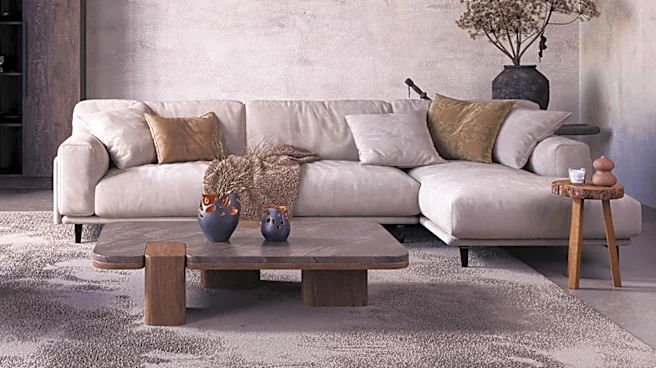
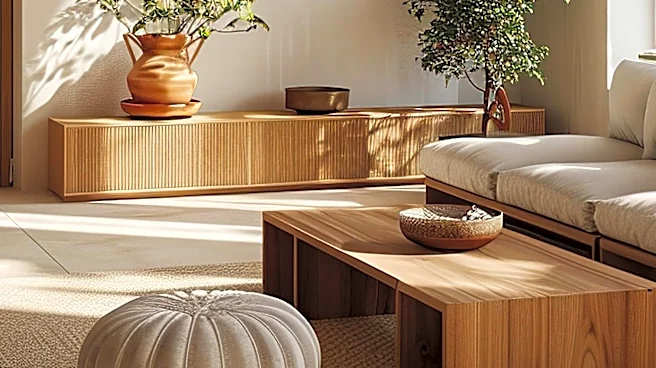
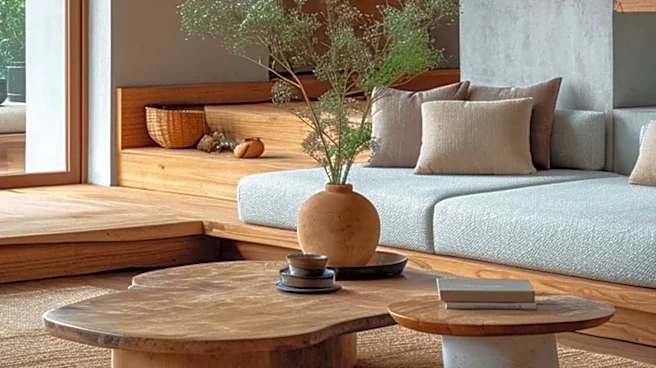
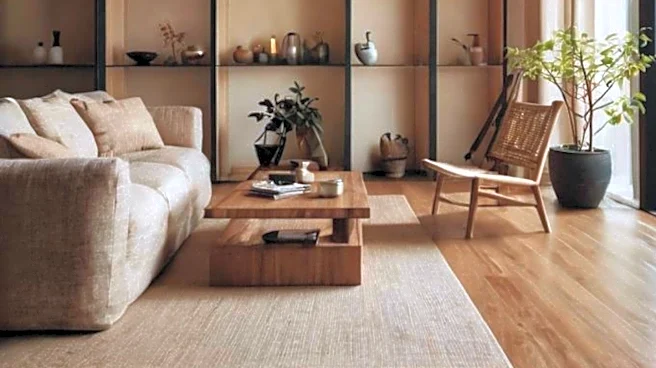
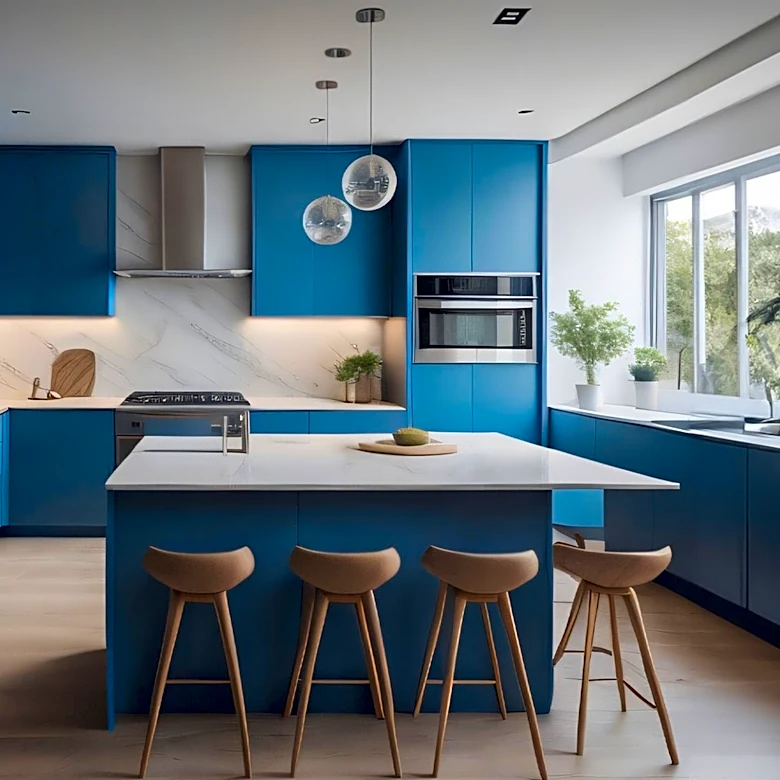
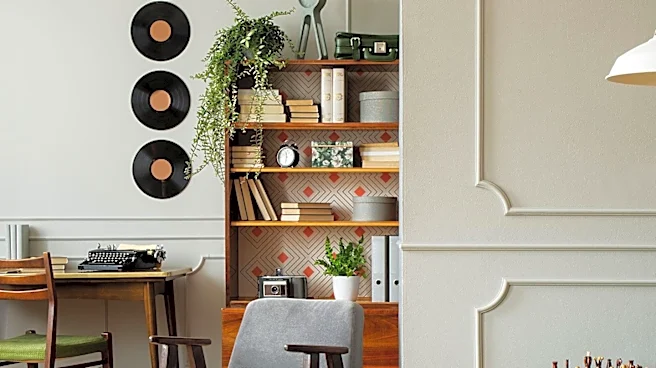
Japandi is an emerging interior design style that combines the core principles of Japanese minimalism with Scandinavian functionality. This hybrid aesthetic aims to create living spaces that are simple, intentional, and highly livable. Key characteristics
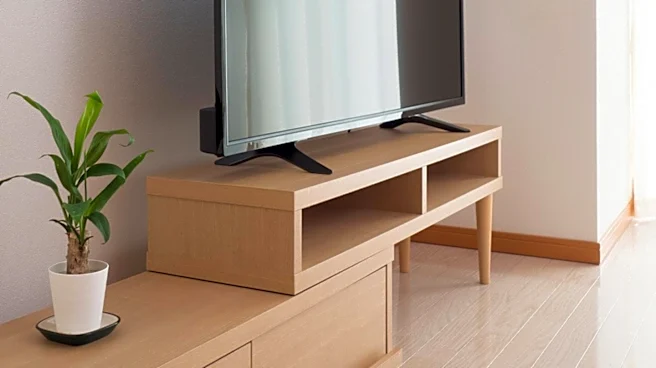
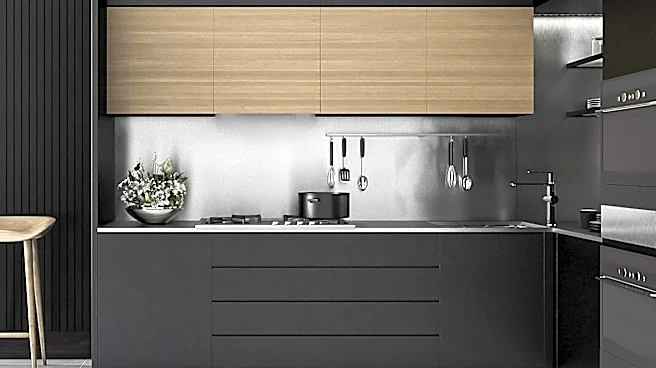
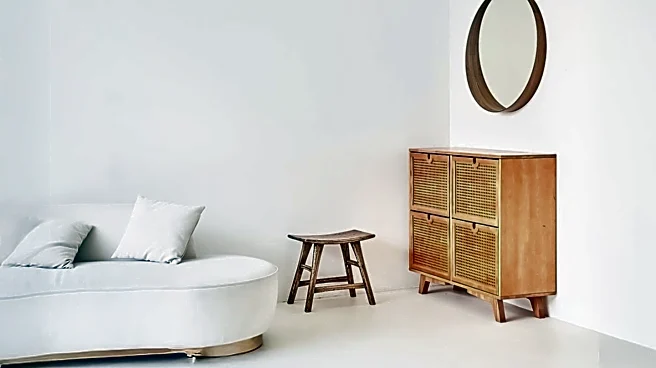
of Japandi design include a focus on minimalism, ensuring spaces are clutter-free yet inviting. It heavily utilizes natural materials such as oak, ash, walnut, stone, linen, bamboo, and rattan to introduce texture and a connection to nature. The color palette is typically neutral, featuring soft, muted tones like warm whites, taupes, and earthy shades, often accented with black for contrast. The style integrates the Japanese concept of wabi-sabi, which finds beauty in imperfection, with the Scandinavian concept of hygge, emphasizing coziness and comfort. This fusion results in a soothing, minimalistic, and cohesive environment that prioritizes warmth and simplicity without being overly cold or stark.
Why It's Important?
The rise of Japandi style reflects a broader cultural shift towards intentional living and a desire for tranquil home environments. In an increasingly fast-paced world, this design trend offers a sanctuary that promotes calm and well-being. Its emphasis on natural materials and sustainable practices aligns with growing consumer awareness regarding environmental impact, potentially influencing material sourcing and manufacturing in the furniture and home decor industries. For consumers, Japandi provides an aesthetic that is both sophisticated and practical, offering a timeless appeal that can reduce the need for frequent redecorating. This style could also impact the real estate market, as homes designed with such principles might appeal to a wider demographic seeking serene and functional living spaces, potentially influencing property values and buyer preferences.
What's Next?
As Japandi gains traction, it is likely to influence product development in the home furnishings and decor sectors, leading to an increased availability of furniture and accessories that embody its principles. Designers and retailers may further integrate natural materials, muted color palettes, and minimalist forms into their collections. We might see more collaborations between designers specializing in Japanese and Scandinavian aesthetics. The style's emphasis on functionality and comfort could also inspire innovations in smart home technology that seamlessly blend into minimalist environments. Furthermore, as more people adopt this style, there could be a ripple effect on architectural trends, favoring simpler lines and natural light to complement Japandi interiors. The longevity of Japandi will depend on its adaptability and whether it can evolve to meet changing consumer needs while retaining its core identity.
Beyond the Headlines
Beyond its aesthetic appeal, Japandi design embodies a philosophical approach to living that prioritizes mindfulness and appreciation for simplicity. The integration of wabi-sabi encourages acceptance of imperfection and transience, fostering a less consumerist mindset by valuing quality and longevity over fleeting trends. This could lead to a more conscious consumption pattern in home decor, where individuals invest in fewer, higher-quality pieces. The style also promotes a sense of calm and order, which can have psychological benefits, reducing stress and enhancing mental well-being in the home environment. Culturally, Japandi represents a successful cross-pollination of design philosophies, demonstrating how distinct traditions can merge to create something new and universally appealing, potentially inspiring further cross-cultural design explorations in various fields.